










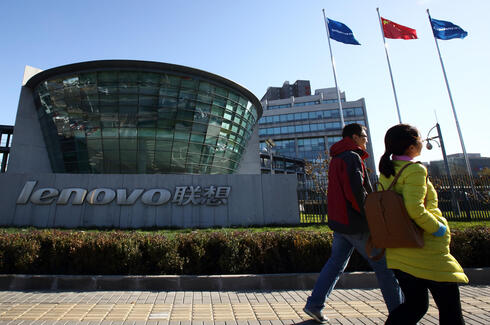
Lenovo completes Infinidat acquisition in deal estimated at over $500 million
Israeli enterprise storage company joins Lenovo’s infrastructure division.
Lenovo has completed its acquisition of Israeli enterprise storage company Infinidat, closing a deal first disclosed more than a year ago and marking a rare expansion by a Chinese technology group into Israel’s infrastructure sector.
The transaction, whose financial terms remain undisclosed but is estimated at over $500 million, brings into Lenovo a company that operates at the higher end of the enterprise storage market, an area increasingly central to the demands of artificial intelligence, data analytics and mission-critical systems. For Lenovo, which generated $69 billion in revenue and serves customers in 180 markets, the acquisition deepens its push beyond devices into full-stack infrastructure.
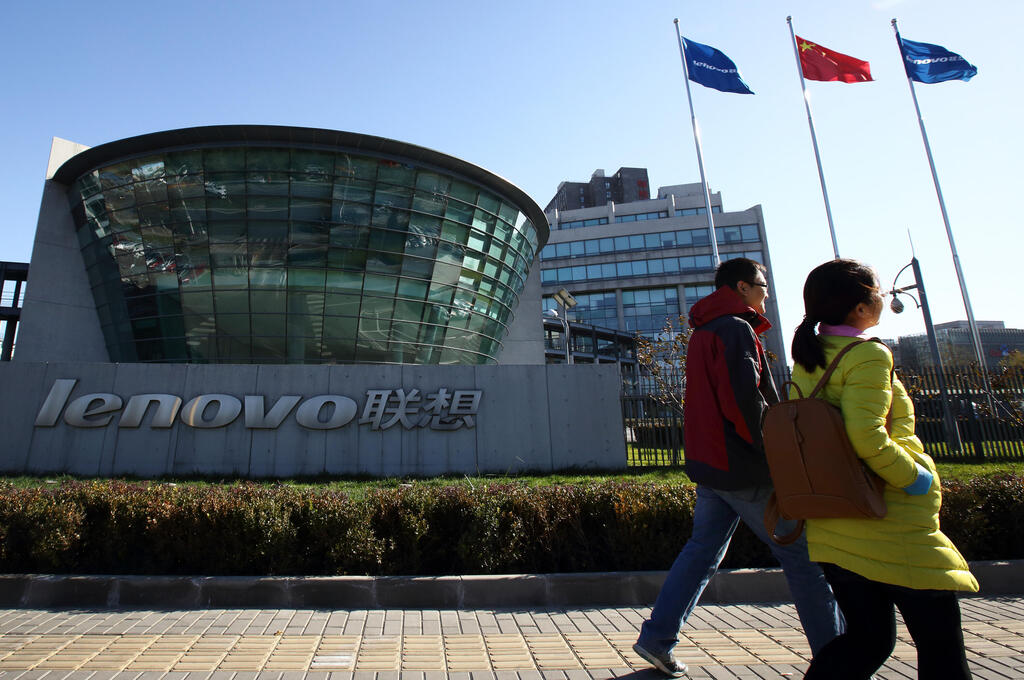
Infinidat, founded in 2011 and previously valued at over $1 billion, develops high-performance storage systems used across industries such as financial services, healthcare, telecommunications and the public sector. The company employs around 500 people, including roughly 300 in Israel, and has reported annual sales in the hundreds of millions of dollars while maintaining profitability.
Under the terms of the deal, Infinidat will operate as a business unit within Lenovo’s Infrastructure Solutions Group.
The acquisition also reflects a broader shift in Lenovo’s business model. Once best known as the world’s largest PC manufacturer, the company has steadily built out its infrastructure portfolio, spanning servers, storage and software-defined systems. Adding Infinidat extends that offering into the upper tier of enterprise storage, where reliability, performance and cyber resilience are critical.
When the acquisition was first announced in January 2025, it stood out as Lenovo’s first deal in Israel in years, at a time when Chinese technology investments in the country had become relatively rare. The company said then that it intended to establish a development center locally and expand its presence, signaling a longer-term commitment beyond the transaction itself.



