










Israeli tech’s day of reckoning
Why layoffs at Wix, Amdocs, Rapyd, SentinelOne and others may signal a fundamental shift in the sector.
Last Thursday was one of the toughest days Israeli high-tech has experienced in years. One after another, reports of layoffs at some of the industry's most prominent companies emerged, prompting veterans to recall the dark days that followed the bursting of the dot-com bubble, when images of ambulances parked outside the offices of Comverse and Amdocs became symbols of an industry in crisis.
Yet the fact that Amdocs is still here, once again undertaking layoffs as it has done repeatedly over the years, while Comverse has long since disappeared, not because of market changes but because of its own management failures and unique challenges, offers an important lesson about the future of Israeli high-tech. The industry is entering a difficult period, but not necessarily an existential one. The strongest companies and managers will adapt, weaker ones may disappear, and those that remain will learn to operate in a fundamentally different reality shaped by AI and a dramatically different dollar-shekel exchange rate. So what exactly happened on Thursday, and what comes next?
1. The flood of layoff announcements was no coincidence
The concentration of layoff announcements in a single day was not accidental. These moves have been building for months, and more are likely to follow. High-tech companies are grappling with two simultaneous "black swans": the rapid rise of artificial intelligence and the strong shekel.
Many companies have already slowed or frozen hiring in Israel while waiting for greater clarity regarding exchange-rate trends. Some had already made decisions to reduce headcount but were waiting to see investor reactions to first-quarter earnings reports. Wix was among the first major Israeli technology companies to pull the trigger, and once it did, it became clear that others would follow.
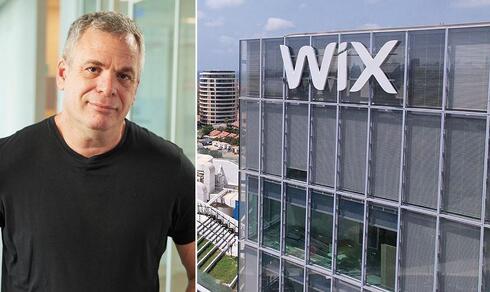
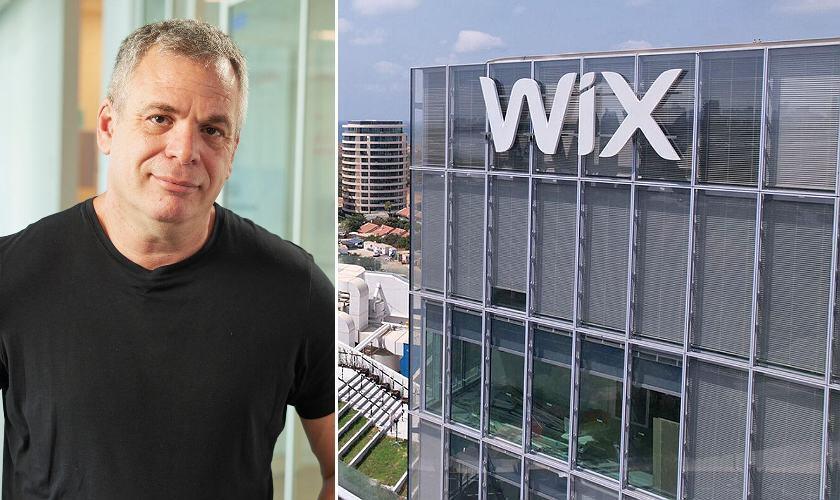
Wix holds a unique position in Israeli high-tech. Unlike many software companies that shifted significant portions of their marketing and business operations overseas, Wix built substantial non-R&D functions in Israel. When a company of Wix's stature decides to cut 20% of its workforce, it effectively gives others permission to do the same.
There is also a practical reason for clustering layoffs. Any company planning job cuts would prefer to announce them amid a broader wave of similar news, reducing the attention focused on its own decision.
Companies were also watching the Bank of Israel's interest-rate decision closely. When the shekel continued to strengthen despite the rate cut, many executives concluded that local monetary policy is no longer the primary force driving the currency. The Trump administration's preference for a weaker dollar, combined with the continued rally on Wall Street, appears to be having a greater impact. Once that realization set in, waiting for additional action from the Bank of Israel no longer seemed like a viable strategy.
2. Every company laying off workers has its own underlying problems
On Thursday, Wix co-founder and CEO Avishai Abrahami and Rapyd founder and CEO Arik Shtilman both sent detailed letters to employees explaining their respective workforce reductions.
It is true that AI is changing business models and, for the first time, disrupting the very technology sector that has historically been the disruptor. It is also true that the strong shekel has significantly increased labor costs in Israel when measured in dollars. But these challenges are colliding with companies that, in many cases, were already carrying excess headcount and inflated cost structures.
The market's reaction illustrates the point. Wix shares barely moved following the layoff announcement. In effect, investors appeared to believe the cuts were necessary, and perhaps not even deep enough, for a company whose most significant growth engines currently employ only a relatively small number of people.
Rapyd is also widely viewed as a company that expanded aggressively during the boom years and now faces pressure to become leaner. Amdocs, meanwhile, has a long history of workforce reductions and routinely adjusts its employee base to improve efficiency. SentinelOne, despite continuing to grow, is struggling to achieve meaningful profitability even after surpassing a $1 billion annual revenue run rate. Minute Media's layoffs come after complications surrounding a costly acquisition in India.
Ultimately, the real story is about management. Layoffs and share buybacks are among the first responses public companies reach for when confronting a changing market and a falling share price. The real test comes later. The question is whether leaders such as Abrahami and Shtilman can make the strategic moves necessary to emerge stronger from this transition.
3. High-tech is not collapsing, it is becoming an employers' market
Despite growing concerns among junior workers struggling to break into the industry, the labor market remains relatively tight. There is no mass unemployment in Israeli high-tech today, nor is there likely to be one even if thousands more jobs are eliminated in the coming months.
Companies are still hiring. New startups are being formed. Defense technology firms are actively searching for talent. Demand remains strong for highly skilled workers, particularly in AI, cybersecurity, and deep-tech fields.
Recent discussions about a potential "SaaS apocalypse" have also begun to fade. Many software companies are finding ways to leverage AI rather than be disrupted by it. Reflecting this optimism, software stocks surged 21% during May.
The clearest signal of the changing labor market came from Shai Wininger, co-founder and president of Lemonade, who posted on social media that the company was hiring in Tel Aviv but that candidates seeking work-from-home arrangements, work-life balance, and convenient hours should not apply.
The post generated significant criticism, but Wininger may simply have articulated what many executives increasingly believe: as long as the shekel remains exceptionally strong, Israeli employees are among the most expensive in the world. Employers will therefore demand correspondingly higher productivity.
4. AI and the strong shekel are challenges, but not the biggest threat
Neither artificial intelligence nor the exchange rate represents the greatest long-term danger to Israeli high-tech.
Both are serious challenges, but they are ultimately problems that talented managers, entrepreneurs, and engineers can adapt to. The deeper risks lie elsewhere: in Israel's domestic situation, its regulatory environment, and above all its geopolitical reality.
The migration of jobs and development activity abroad began years ago and has accelerated because many companies feel compelled to diversify operations geographically. High-tech executives increasingly complain that government policy does little to address the disproportionate burden of reserve duty borne by many technology workers. Others point to ongoing disruptions in air travel and broader uncertainty about future military escalations.
Above all, there remains the persistent possibility of another round of conflict, more missile attacks, and additional reserve-duty mobilizations.
That is the challenge Israeli high-tech cannot solve on its own. The key to addressing it lies not with company executives, but with the country's political leadership.



