










How a quiet settlement could shape Israel’s next generation of laser weapons
The agreement between Elbit and Civan ends a dispute that had become one of the defense industry's most closely watched battles.
A settlement agreement has recently been reached in one of the more high-profile disputes in Israel’s defense industry between Elbit Systems and Civan Lasers, Calcalist has learned.
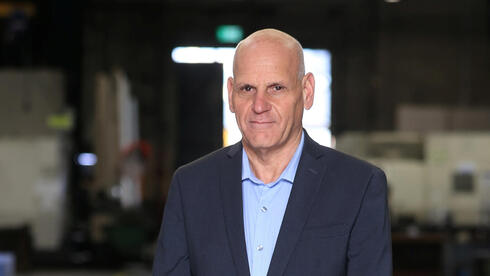
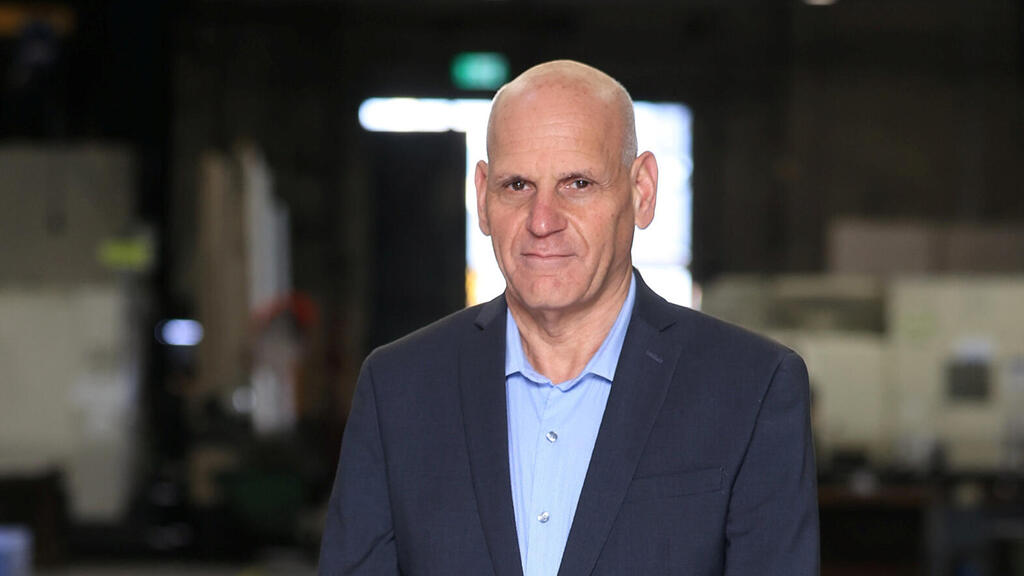
Elbit, one of Israel’s largest defense companies, and Civan Lasers, a much smaller firm specializing in high-power laser technology, had previously signed an agreement following an investment Elbit made in Civan in 2015, when the company was in need of capital. Civan was founded by Eyal Shekel, who currently holds 26% of the company’s shares.
Civan developed high-power laser technology based on combining multiple separate laser beams into a single, more powerful beam. Under the original agreement, development activities carried out by Civan for Israel’s Ministry of Defense were exempt from the restrictions imposed by the deal, as were activities conducted aspsrt of government-to-government defense engagements between Israel and foreign countries.
Elbit invested a relatively modest amount in Civan to help advance the technology and, in return, received marketing rights for laser systems based on it. As part of the agreement, Civan was restricted from pursuing military applications of the technology independently and was required to work through Elbit.
Over time, Civan sought to amend the arrangement in order to market military ground-based laser systems built on its technology, both in Israel and abroad. Elbit opposed the move and insisted that such systems be manufactured by its subsidiary, Elop. Civan, however, was unwilling to provide its laser technology for systems produced by Elop.
The dispute eventually reached the courts. Given the security-sensitive nature of the matter, the court instructed the Ministry of Defense to intervene in the proceedings. The ministry subsequently participated in a mediation process between the parties, which ultimately resulted in a compromise agreement.
According to information obtained by Calcalist, the companies agreed to a new framework, the details of which remain confidential. As far as is known, the arrangement includes Elbit resuming the marketing of Civan’s military ground-based laser systems, alongside a commitment by Elbit to purchase laser systems or components worth tens of millions of dollars.
Attorney Dudi Tadmor, who represented Civan, declined to comment. Elbit Systems also did not respond.
The settlement could pave the way for Civan to revive plans for an initial public offering.
Civan has grown rapidly in recent years. Its revenue increased from approximately NIS 40 million in 2024 to around NIS 100 million in 2025, and the company expects revenue to grow by tens of percentage points again in 2026.
At the same time, founder Eyal Shekel may sell part of his stake as part of a pre-IPO financing round.
Other shareholders include Elah Fund, which owns 25% of the company and is managed by Calanit Valfer; First Manhattan Company, which holds 23% of the shares on behalf of American Jewish investors; and Elbit Systems, which owns 5%.



