










Opinion
Beyond hasbara: Israel’s opportunity in trustworthy AI
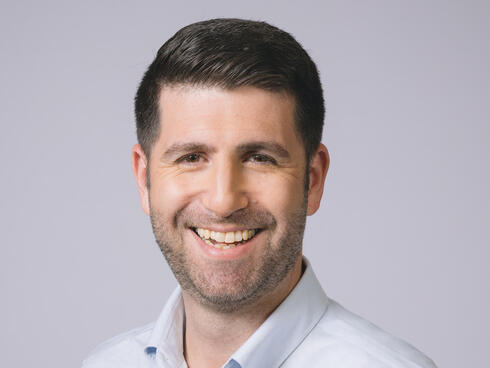
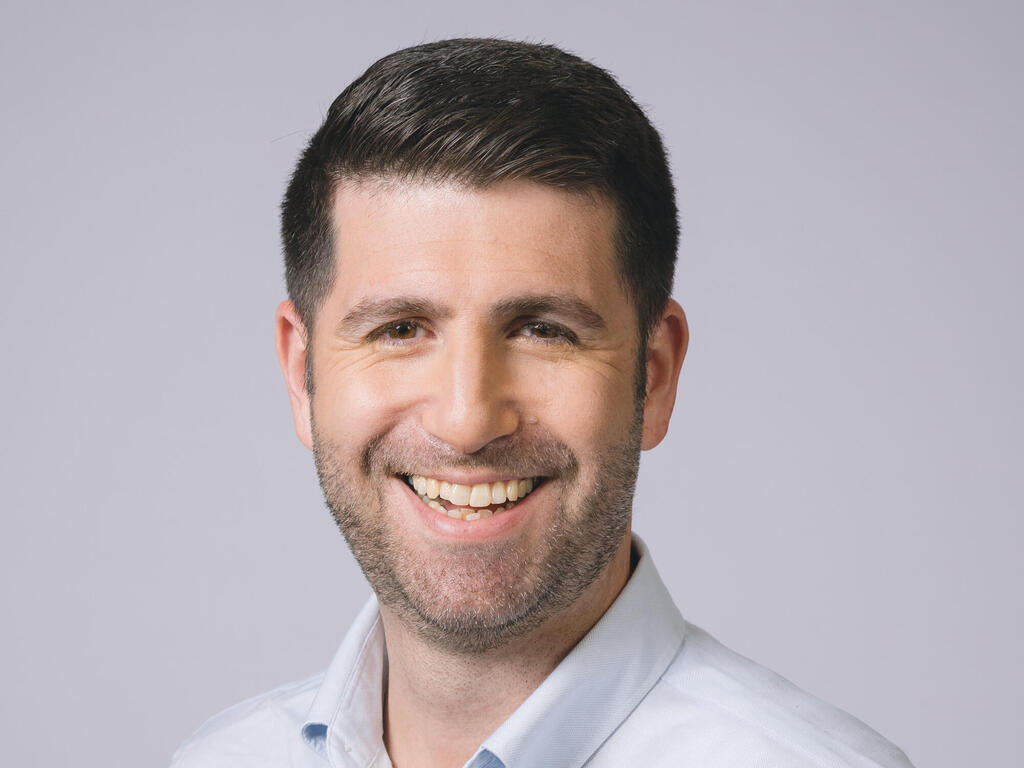
"By helping the world defend information integrity in the AI era, Israel enhances its global standing as a trusted source of ethical and innovative technology," writes Chen Shmilo, CEO of the 8200 Alumni Association and Co-Founder of Hack the Hate.
When reports surfaced that Israel’s Foreign Ministry had contracted Brad Parscale - Donald Trump’s former digital strategist - to help train AI models with accurate information about Israel, it sparked intense debate. Yet behind the headlines lies a far more significant truth: artificial intelligence is becoming the new battleground for shaping global narratives.
The New War Over Truth
For decades, misinformation about Israel spread through coordinated bot campaigns and manipulated images and videos. Today, the threat runs deeper. AI systems, from ChatGPT to open-source large language models, learn by detecting patterns in massive datasets that often contain bias, hate, and misinformation.
When these models are trained on distorted data, they can unintentionally reproduce or even amplify it. Worse, malicious actors can deliberately poison data or fine-tune open-source models to spread propaganda - embedding falsehoods directly into the algorithms that shape public perception.
In this emerging digital battlefield, falsehoods no longer need human authors. They can think, write, and replicate on their own.
From Alarm to Action: Turning AI Into a Force for Truth
Within this challenge lies a tremendous opportunity - one that Israel is uniquely positioned to lead.
Modern AI technologies already offer some promising solutions. For example, Retrieval-Augmented Generation (RAG) allows models to draw on verified, curated databases rather than relying solely on the open web - a step that can dramatically reduce bias and misinformation if adopted widely.
Moreover, Israeli startups could pioneer authentication and provenance tools to verify the sources of digital content, bias-detection APIs that audit large models in real time, and fact-verification platforms integrated into global AI ecosystems. Together, these technologies could form the foundation of a “trustworthy AI” infrastructure - a domain where Israel can emerge as a global leader.
Of course, “verified sources” require institutional trust - precisely what’s most contested today. Israel’s approach should therefore emphasize transparency and auditability, not gatekeeping.
Building a National Innovation Ecosystem for Ethical AI
To seize this opportunity, Israel must move beyond isolated initiatives and adopt a national innovation strategy for trustworthy AI.
The Israel Innovation Authority should establish designated investment tracks and sponsored pilot programs that incentivize startups tackling algorithmic bias, content verification, and AI integrity. Public funding can also support ecosystem-building organizations and academic institutions that research AI ethics, digital truth frameworks, and data provenance.
Just as Israel’s cyber sector grew from strategic state investment, the country can now cultivate a “TrustTech” ecosystem - one that safeguards the information space as critically as cybersecurity protects digital infrastructure.
Global Collaboration as a Strategic Advantage
Misinformation knows no borders - and neither should the solutions. Critics may view Israeli-led truth verification tools with suspicion. That’s precisely why international collaboration, open-source development, and multi-stakeholder governance are essential.
Joint R&D programs with partners in the U.S., Europe, and Asia could advance standards for AI transparency, truth labeling, and responsible content generation.
This is not only a moral imperative but a strategic opportunity: by helping the world defend information integrity in the AI era, Israel enhances its global standing as a trusted source of ethical and innovative technology.
In an age when lies can code, speak, and evolve, defending truth requires more than defense - it demands proactive resilience. The tools, talent, and mindset are already here. Now they must be directed toward building this new frontier of digital defense - a “TrustTech” ecosystem capable of detecting misinformation “pathogens” as they emerge, inoculating AI models with verified data, and strengthening society’s resilience against digital falsehoods through advanced education.
The battle for truth is no longer just about defending Israel’s image. It is about protecting the very foundation of knowledge in the digital age.
Chen Shmilo is CEO of the 8200 Alumni Association and Co-Founder of Hack the Hate, an initiative harnessing Israeli and Jewish innovation against online hatred.
Editor’s note: This article was refined and edited with the assistance of AI tools.



