










After losing EA, FIFA bets on Netflix and a streaming-first football game
The 2026 World Cup sets the stage for a high-risk, high-visibility return.
For almost 30 years, the name FIFA has been associated not only with the world’s governing body of football, but also with the most popular video game franchise in the sport. Each year, a new FIFA title developed by EA Sports was released, and for millions of players worldwide, FIFA became synonymous with digital football.
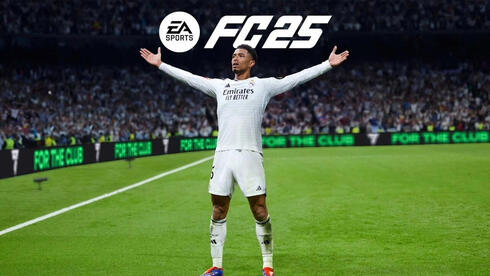
That era ended in 2022, when the long-running partnership between FIFA and EA Sports collapsed. EA continued developing the game under a new name, EA Sports FC, while FIFA was left without an official video game bearing its name. Over the following two years, the market adjusted to the new reality: EA Sports FC continued to thrive, while the FIFA brand largely disappeared from gaming.
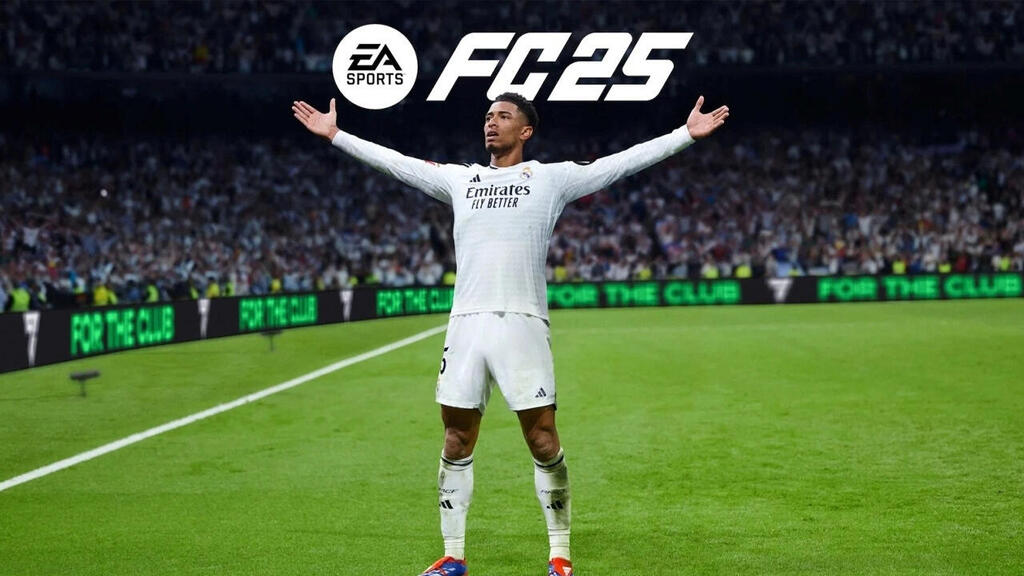
Now, just as the industry has grown accustomed to life without FIFA, the organization is preparing a return, this time with a new partner, Netflix, and a markedly different strategy.
According to official announcements from Netflix and FIFA, the new football simulation game is scheduled for release in the summer of 2026, coinciding with the FIFA World Cup in the United States, Canada, and Mexico. The game will support both single-player and online play with friends and will be included as part of Netflix’s subscription service.
Development and distribution have been entrusted to Delphi Interactive, a relatively young American studio backed by veterans of the gaming industry. Delphi has already drawn attention through its involvement in another high-profile project: the upcoming James Bond game, 007 First Light, being developed in collaboration with IO Interactive, the studio behind the Hitman series. According to multiple reports, Delphi plays a significant role in that project and positions itself as part of the creative backbone behind Bond’s return to gaming.
That connection matters. FIFA is a global brand with enormous visibility and even higher expectations. Choosing a relatively young studio that has yet to release a major football title of its own is a calculated gamble, one that prioritizes individual experience and creative infrastructure over a proven track record in sports games.
3 View gallery
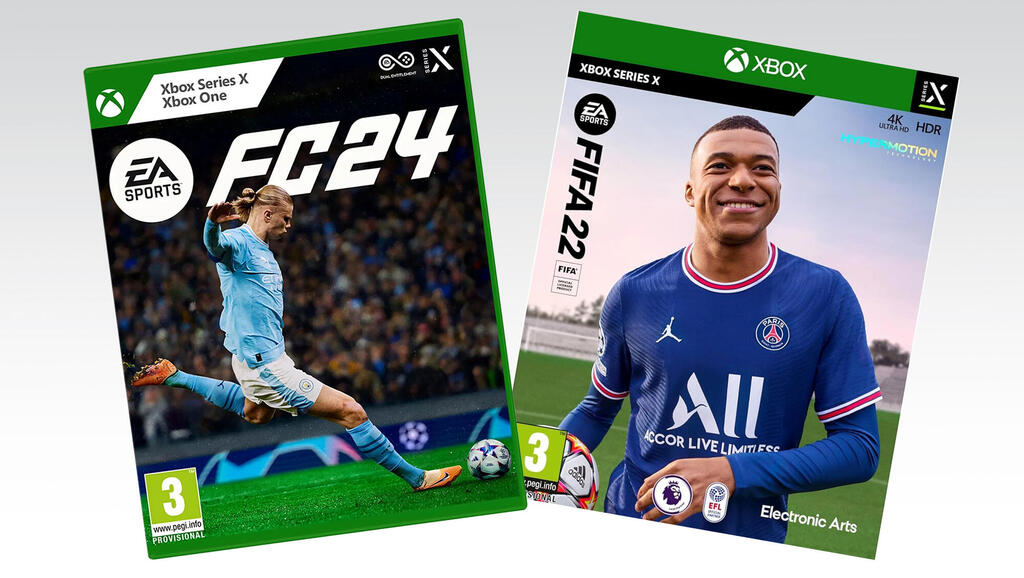
Right: The latest FIFA cover from 2022 with Kylian Mbappé and Erling Haaland in the rival game - EA Sports FC
(Photos: Xbox)
Starting From Scratch
The partnership between FIFA and EA Sports lasted nearly three decades and was among the most successful collaborations in gaming history. Since 1993, the FIFA series became one of the industry’s most profitable franchises, selling tens of millions of copies annually and generating billions of dollars in revenue. Its success was built on accessible football gameplay, official league and player licenses, and a business model increasingly centered on online play and microtransactions.
Over time, tensions grew. FIFA sought greater control over the brand and a larger share of revenues, while EA aimed to reduce its dependence on costly licenses and retain full ownership of its platform. The split in 2022 left FIFA, for the first time in decades, without an official game, forcing the organization to rethink its approach, find a new partner, and redefine its place in the gaming ecosystem.
At first glance, FIFA’s return may look like an attempt to reclaim ground lost to EA Sports FC. In practice, it is not an immediate or direct threat. EA holds a clear advantage across traditional metrics: a mature game engine, deeply refined mechanics, a vast competitive player base, and an ecosystem of leagues, tournaments, and modes built over more than 20 years. The new FIFA game, regardless of its technical ambition, will be starting from zero.
The strategic difference lies elsewhere. FIFA and Netflix are not chasing the same audience. EA Sports FC targets dedicated players willing to invest in consoles, controllers, skill-building, and ongoing purchases. Netflix’s offering aims at a far broader group, viewers who may not own a console or engage in competitive gaming, but who love football and already open Netflix every evening.
Netflix’s ecosystem is central to this approach. The company has been gradually expanding its gaming ambitions, including experiments that turn the smartphone into a controller while the game is streamed directly to the TV. The idea is to reduce friction: moving from watching content to playing a game without leaving the Netflix app. This model may not force EA to imitate it, but it does raise a new question, why should a football game cost $70 plus ongoing microtransactions when a playable alternative is included in an existing subscription on the same screen?
The choice of summer 2026 for the launch is deliberate. The World Cup in North America will dominate global media attention, and FIFA clearly intends its gaming return to be part of that conversation. FIFA president Gianni Infantino has framed the collaboration as a milestone designed to reach billions of fans, signaling that the organization sees gaming not merely as licensing revenue, but as a platform for broader engagement.
The Smartphone Becomes the Controller
To fully understand the significance of the FIFA project, it must be viewed within the broader context of Netflix’s gaming strategy, a strategy that has been quietly evolving for several years. Since 2021, Netflix has steadily expanded its gaming catalog, which now includes more than 100 mobile titles available as part of the subscription, without ads or in-game purchases. Most are not AAA productions, but narrative-driven, indie, or casual games that align with Netflix’s core strengths: short, accessible, low-commitment experiences.
3 View gallery
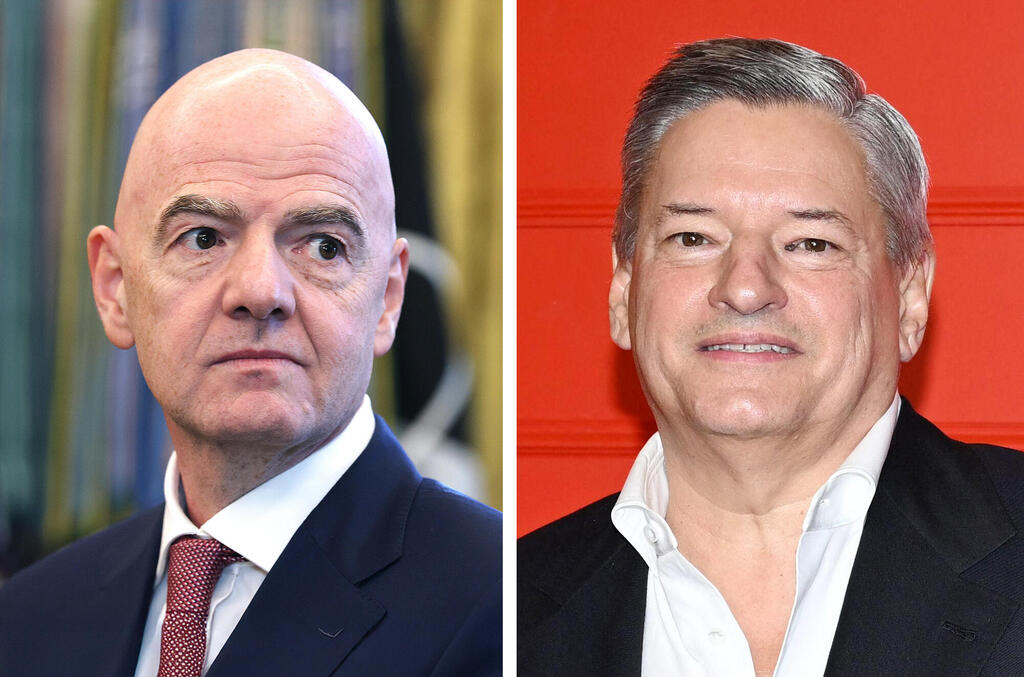
FIFA President Gianni Infantino (left), Netflix CEO Ted Sarandos
(Photos: Win McNamee/Getty Images, Blanca Cruz/AFP)
Along the way, Netflix has acquired or launched several dedicated studios, including Night School Studio and Boss Fight. Yet so far, it has not delivered a gaming hit that could be described as transformative. Some experiments, particularly games based on Netflix series, have been met with indifference, while others faded quickly from public attention.
The real innovation now is not the game itself, but the platform shift: moving games to the television, using the smartphone as a controller, and attempting to blur the line between passive viewing and active play.
Still, there are significant open questions. Netflix has yet to prove it can operate competitive sports games at a global scale, where latency, stability, and consistency are critical. Football games are especially sensitive to input delay, the split second between a button press and an on-screen action can determine success or failure. In a model where gameplay runs on remote servers, the phone acts as a controller, and the image is streamed to the TV, each layer introduces potential lag.
Whether Netflix can deliver a smooth, immediate, and uniform experience across regions remains unproven. For FIFA’s return to gaming, this technical challenge may ultimately be the most decisive test.



