









Wiz co-founder says Google deal feels “like a kid in a candy store”
Yinon Costica describes rare access to Google’s AI engine after historic exit.
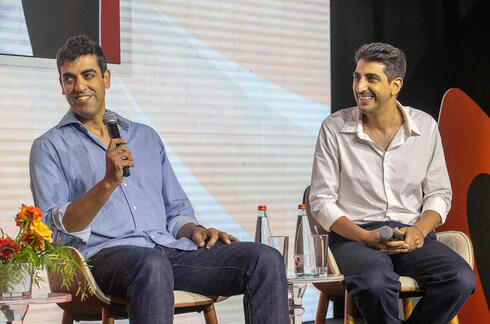
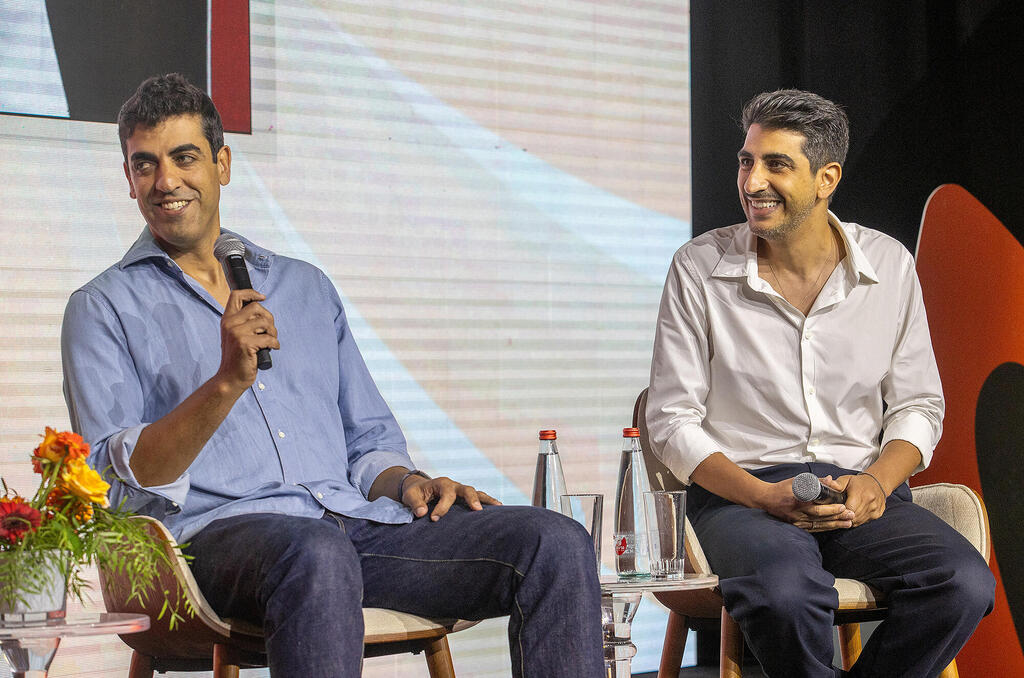
“Wiz’s connection to Google is amazing. It’s like being a kid in a candy store,” said Yinon Costica, co-founder and VP of product at Wiz, which was sold to Google this year for $32 billion, at the Calcalist and Mizrahi Tefahot Growth Conference. Costica made the remarks in a conversation with his brother, Yotav Costica, who retired from managing More Investment House’s mutual funds to found AFO Family Office, which manages Wiz’s exit proceeds.
I have to say I’m missing two people here, your parents, to ask what they did right. How do you raise children like that?
Yinon Costica: “We were latchkey kids. We would make our own food in the microwave, but we grew up in a home that believed in hard work, education, and excellence. Our mother immigrated from France at the age of 21. She is an engineer by profession. Seeing her connection to technology and her pride in building a life in Israel instilled in us the desire to build something here.”
Yotav Costica: “Growing up alongside Yinon was challenging. In our house, grades had to be almost perfect. Discipline and responsibility were always present, but we were never taught to chase money or a career. We were taught to do what we love, to grow, and to support each other.”
You’re both at turning points in your careers. Yinon, you’re moving from a startup to Google. What do you see there?
Yinon: “Wiz started out securing cloud environments, but the AI revolution was a turning point. We realized the next step was helping companies secure what they build with AI, and also protect them from attackers using AI. Over the past year, we’ve built a full product stack, and today we can help companies secure not only their cloud environments but their entire AI transformation.
“Wiz’s connection to Google is amazing. Wiz maintains its independence and continues to protect every cloud and every model, but suddenly we have access to the people developing the models themselves. It’s like being a kid in a candy store. We now have access to research, engineering resources, and the ability to influence the future of the models we will all use. This is a very exciting time.”
Yotav, you look at the capital markets and see software stocks falling. Do they have a future?
Yotav: “In the capital markets, you have to be optimistic. The headlines talk about the collapse of SaaS companies, but in every crisis there are also opportunities. During the pandemic, those who focused only on what was closed missed the work-from-home revolution. The war in Ukraine also created chaos, but also many opportunities. I always choose to look at the full half of the glass.
“There are companies that don’t know how to make the right move, but there are huge opportunities here. The mega-tech companies will invest a trillion dollars in data centers, and this money will flow into chips, energy, and many adjacent sectors. AI is the biggest growth engine since the internet.”
How do you explain the recent weeks’ downturn?
Yotav: “When a bit of air comes out of the market, it’s a healthy process. You can’t look at one week, but at long-term trends. AI is still the main story. The Israeli stock market has also changed. From a market biased toward pharma and chemicals, it is becoming much more relevant to AI, with more chip companies integrating into the global ecosystem.”
Yinon, many Israeli companies are talking about layoffs due to AI. Hedva Ber estimated at a Calcalist conference that 30% of high-tech employees could lose their jobs. Do you agree?
Yinon: “When talking about layoffs, we have to remember we are talking about people. Every person who is laid off feels like their world has been turned upside down. But alongside companies that are downsizing, there are also many startups growing rapidly. There are companies that today have ten people and in a year will have a hundred or a thousand. The number of opportunities opening up is enormous.
“Every company can take its technological destiny into its own hands and undergo an AI transformation. If a company is not thinking about it, it is already behind. Israel’s advantage is that the industry here responds quickly to change and knows how to retrain talent. This is a tremendous opportunity for Israel to lead the AI revolution.”
Yinon, in this balance between opportunity and risk, are you more optimistic or more fearful?
Yinon: “I mainly see opportunity. There is incredible talent in Israel, and also a generation of young people who will know nothing but AI. There are many juniors on my team. Israel is a young, innovative, and technological country. Every company, from banks to hospitals and health funds, can rethink how it rebuilds itself with AI. It also reduces gaps. A company that invests properly in an AI strategy can become a technological leader within a year.”
Yotav, can more companies like Palo Alto also make it to the Tel Aviv Stock Exchange? Do you see signs of change?
Yotav: “Palo Alto is a great story for Israel, but I don’t think the key question is whether more tech companies will list here. Those seeking exposure to technology will usually go to the U.S. market, and Israel is very strong in the private markets.
“On the other hand, the Israeli stock exchange today offers much more than before. The chip and defense industries, once a small part of the indices, now occupy a significant place with dozens of leading companies. The Israeli market has come a long way in the past two years.”
Yotav, you left More Investment House and founded a family office managing Wiz’s exit proceeds. How do you build something like that from scratch?
Yotav: “Don’t envy me. This is also a startup. We are building infrastructure from scratch. Beyond trust and relationships, the goal is to create real impact and engage with the Israeli ecosystem. We want to open doors for young startups, but also be exposed to broader sectors. Israel is a very interesting place for investment, from defense to energy and beyond. It’s a huge challenge and responsibility, and I hope we execute it well.”
Yinon, won’t you try to lure him back into more cyber investments?
Yinon: “I’m actually glad he’s involved in this and not me. It was hard enough to convince him to leave his previous role and lead the family office. Our natural inclination is toward technology, but the goal is also to invest in a range of industries. We believe in the Israeli market, and there are incredible opportunities here. I also hope more entrepreneurs understand this opportunity and invest in Israel beyond tech.”



