










Israel's US military aid set to continue through 2033 under five-year deal, as air defense funding could grow
The proposed agreement would replace the current 10-year memorandum with a five-year arrangement after 2028, maintaining annual financing for American weapons purchases at roughly $3.3 billion while potentially increasing the separate allocation for joint missile-defense programs.
Israel and the United States are negotiating a new five-year security agreement that would preserve the current level of annual US financing for Israeli purchases of American weapons but cut the overall commitment in half by shortening the arrangement from 10 years to five. The proposed framework would also increase funding for joint air and missile defense programs, marking a shift in the countries' longstanding military relationship.
Under the emerging arrangement, Israel would receive approximately $16.5 billion in direct military financing over five years after the current agreement expires in 2028, compared with $33 billion over the existing 10-year period. The annual allocation would remain close to its current level of $3.3 billion, but the funding would end after five years, in 2033.
The details were reported by Ynet and Yedioth Ahronoth, which said the two countries are seeking to finalize the new memorandum of understanding before the end of 2026. The negotiations come amid confusion over President Donald Trump's recent announcement that US military aid to Israel would be halted by the end of this year.
The proposed arrangement does not envisage an immediate cutoff. Instead, it would preserve the existing framework through 2028 and provide a further five years of direct military financing before that assistance is phased out entirely. The separate funding for joint missile-defense programs, meanwhile, could increase from its current level of $500 million annually to an amount that has not yet been determined.
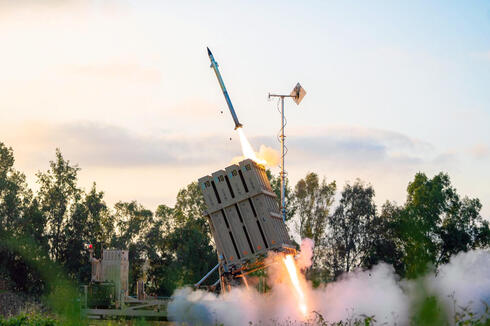
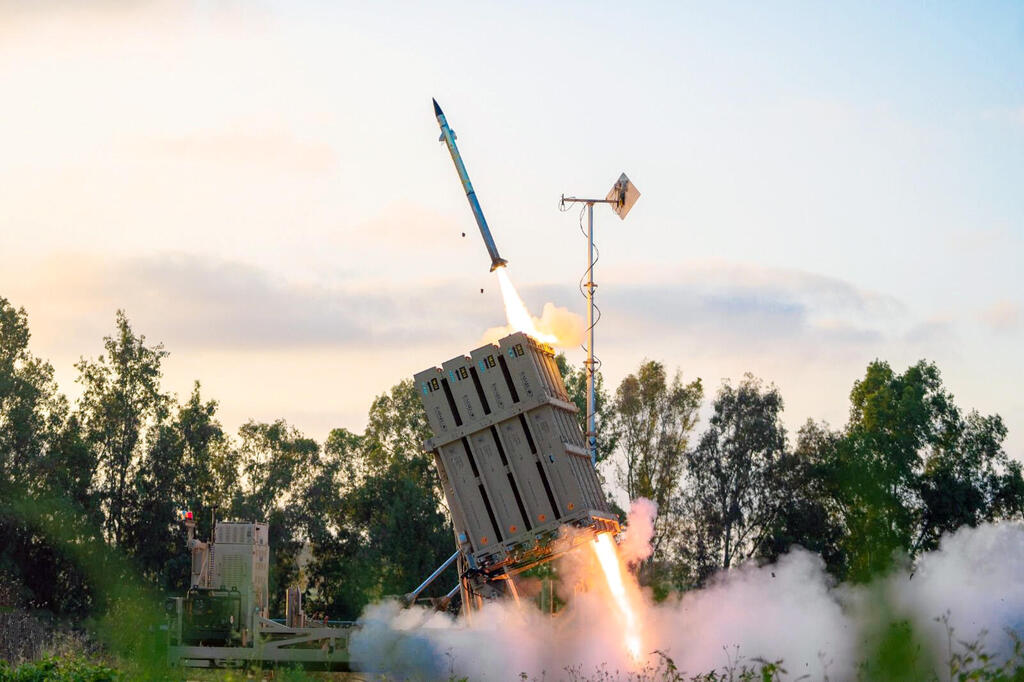
The distinction is significant because the current $3.8 billion annual US security assistance package consists of two separate components. The larger portion, $3.3 billion in Foreign Military Financing, is used by Israel to purchase American-made weapons and equipment, including fighter jets, helicopters, military systems and ammunition. The remaining $500 million supports joint research, development and production of missile-defense systems, including Iron Dome, David's Sling and Arrow.
The proposed $16.5 billion commitment applies to the direct military financing component, not the entire current assistance package. Any increase in the separate missile-defense allocation would be negotiated independently.
"We are transitioning from a model of 'aid' to a model of 'partnership,'" a senior Israeli official told Ynet. "It is important to remember that the vast majority of this security assistance remains in the United States, contributing to the American economy." The official added that cutting the funding would also hurt American industries and require adjustments.
The negotiations have taken on added urgency following Trump's unexpected remarks about ending the assistance this year. Israeli officials involved in the discussions were reportedly surprised by the announcement and did not understand it to reflect the terms being negotiated.
A senior Israeli official assessed that Trump's statement was driven primarily by domestic political considerations, rather than by an understanding of the emerging agreement. According to the official, the president was seeking to help a Republican candidate in Michigan ahead of Election Day, but the candidate ultimately lost to Democrat Abdul El-Sayed.
The immediate challenge for Israel is to secure approval for the new arrangement while the current Congress remains in office. The two sides hope to reach an agreement by the end of 2026 and submit it to lawmakers before the new Congress takes office in January. Israeli officials believe the current Congress is likely to approve the framework, but are less certain about what will happen afterward.
Congress must approve the funding annually, meaning that even an agreed memorandum would not eliminate the possibility of delays or political obstacles to future allocations. Israeli officials are concerned that the incoming Congress could complicate the flow of assistance both during the remaining years of the existing agreement and under the proposed framework after 2028.



