









Meta appoints Israeli executive Assaf Keren as Chief Information Security Officer
The former PayPal and Qualtrics security chief succeeds Guy Rosen and becomes Meta's most senior Israeli executive.
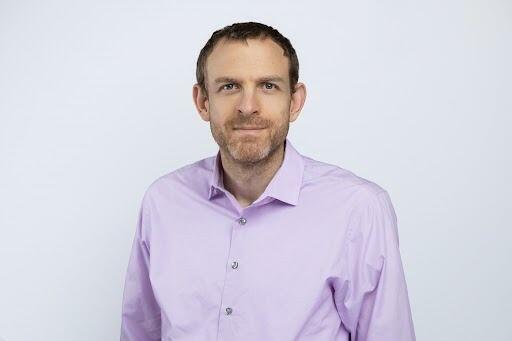
Israeli cybersecurity executive Assaf Keren has been appointed Chief Information Security Officer (CISO) at Meta, becoming the company's most senior Israeli executive, the technology giant announced on Wednesday.
Keren will succeed Guy Rosen, who announced last month that he would retire after 13 years at Meta.
“Meta works at the frontier of technology. It's where the future is being built and where the stakes are highest,” Kerem wrote in a LinkedIn post. “Few organizations carry the responsibility Meta does. Billions of people trust its platforms for how they connect, communicate, and, increasingly, use AI in their daily lives. Protecting that trust, the security of the systems, the integrity of the platform, and the safety of the people on it, is one of the most consequential jobs in our industry.”
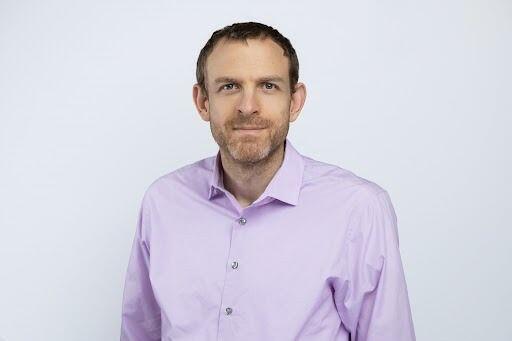
Born in Ramat Gan, Keren has nearly 25 years of experience in cybersecurity, a career that began during his military service. Early in his career, he served as cybersecurity director for the Israeli government's Tehila project before founding cybersecurity startups CyberVision, which was later acquired by Verint, and SenseCy.
Between 2015 and 2024, Keren held a series of senior cybersecurity positions at PayPal, including CISO. His most recent role was as Senior Vice President and Chief Security Officer at software company Qualtrics. Keren also serves on the boards of several companies and public organizations and is a member of the Wall Street Journal Technology Council.
Keren is expected to assume his new role in the coming months following a transition period with Rosen and his team.
“After two decades defending some of the world's most critical platforms - from PayPal to Qualtrics to government networks - against daily probes, I've learned trust is not a feature, it's foundational,” Keren wrote. “When systems hold, nobody notices. When they break, nothing else matters. I've spent my career defending people and their data from persistent threats.”



