










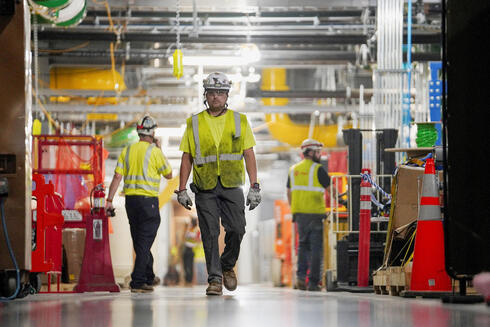
AI is on track for the biggest infrastructure buildout in U.S. history
A Brookings study projects $10.3 trillion in investment through 2032, as data centers reshape the labor market, financial system and energy economy.
Investment in artificial intelligence is on track to become the largest infrastructure investment cycle in U.S. history relative to the size of the economy, surpassing previous major buildouts such as canals, railroads and electrification, according to reporting by The Wall Street Journal. A new study by economist Stijn Van Nieuwerburgh, published by the Brookings Institution, projects that total investment in data centers and related AI infrastructure will reach $10.3 trillion between 2025 and 2032, an annual average equivalent to 3.6% of U.S. GDP. Goldman Sachs estimates that AI investment in the U.S. will amount to 1.9% of GDP in 2026.
The scale of the buildout is reshaping the U.S. economy. Hundreds of thousands of jobs are being created and stock-market wealth has surged, but the growing dependence on AI infrastructure also introduces risks if demand slows or the investments fail to generate sufficient returns.
One source of risk is the concentration of spending among a small group of technology companies known as hyperscalers, including Microsoft, Meta, Alphabet, Oracle and Amazon. According to FactSet estimates, these five companies are expected to spend $4.2 trillion over the four years through the end of 2029, with a growing share of that spending financed through debt.
That concentration could create broader financial risks if the AI investment cycle turns. Van Nieuwerburgh notes that technology companies are increasingly using off-balance-sheet entities and other financing structures to borrow from banks and private credit firms, transactions that can make the underlying exposures difficult to assess. The Brookings paper points to financing structures including joint ventures, private credit, securitizations and special-purpose vehicles.
If AI fails to generate enough revenue to support the debt raised to build data centers and related infrastructure, the effects could extend beyond the technology sector and into the broader financial system. The Brookings study cautions that the question is not simply whether AI infrastructure is already a systemic risk, but under what circumstances losses at individual projects could become correlated and spread across companies and financial institutions.
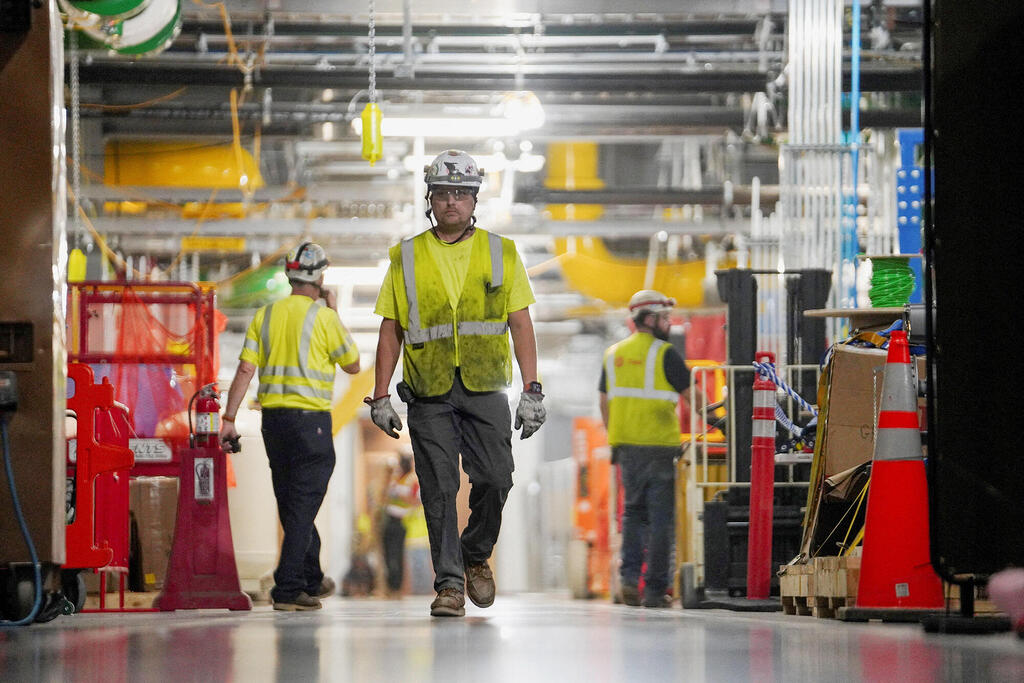
The buildout is also putting pressure on resources outside the financial system. Data centers are consuming an increasing share of the workforce and electricity supply, potentially raising costs for other businesses. The Federal Reserve Bank of Richmond has reported that data center construction is straining labor supplies in its region. In areas where large numbers of data centers are being built, demand for land can also put pressure on prices and compete with other industries, including manufacturing.
Federal Reserve Governor Kevin Warsh has cited borrowing by hyperscalers as one factor contributing to higher long-term interest rates, which can make homeownership less affordable. In communities hosting large data center projects, increased demand for electricity is also contributing to higher power costs.
There are clear economic benefits as well. The massive construction effort around data centers is helping offset some of the disruption AI is causing in the broader labor market. LinkedIn estimates that more than 750,000 AI-related jobs were created in the United States between 2023 and 2026. The jobs also tend to be relatively well paid: the median advertised salary for AI-related positions on LinkedIn is about $180,000, compared with $80,000 across other roles.
The construction boom is also creating demand for skilled trades. In the Washington, D.C., area, the number of unionized electricians has risen from about 9,000 to 17,500 in recent years, as data center construction has accelerated.
At the same time, the surge in AI-related stocks has generated a dramatic increase in financial wealth. U.S. stock and mutual fund holdings totaled $63 trillion in the second quarter, nearly double the level at the end of 2022, according to Federal Reserve data. Much of that wealth is concentrated among households that already own large amounts of equities.



