










A strike on Kharg: Why Iran’s oil hub matters to the world
With most exports flowing through the island, any escalation could ripple across global markets.
The explosions on Kharg Island, reported by Iranian state media, mark a further escalation in the conflict between the United States and Iran, and underscore the strategic sensitivity of the small island in the Persian Gulf.
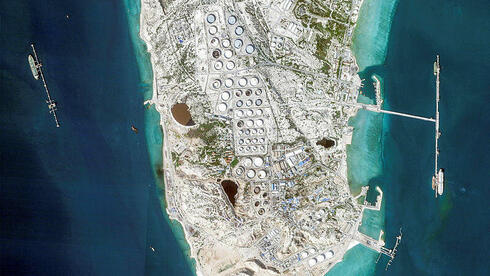
Kharg Island, located just 25 kilometers off Iran’s coast and roughly one-third the size of Manhattan, is widely considered the main artery of the country’s oil industry. According to estimates, the island has a storage capacity of about 31 million barrels, and roughly 90% of Iran’s oil exports pass through it, making it a critical asset for the national economy.
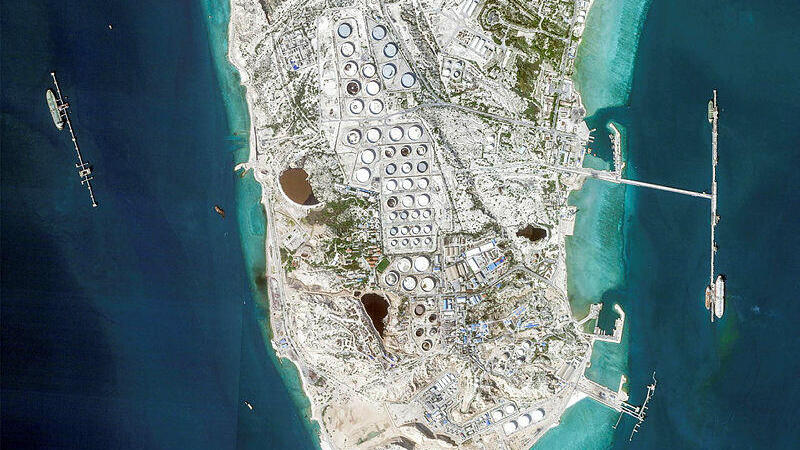
The island hosts extensive storage facilities and pipelines connected to Iran’s major oil and gas fields, with millions of barrels flowing through it daily. Due to its importance, it has been nicknamed “the forbidden island” by Iranians, reflecting the heavy military presence surrounding it. As early as the 1980s, the Central Intelligence Agency described the facilities there as “vital to Iran’s oil system.”
The latest strikes are not the first. About three weeks ago, U.S. forces targeted sites on the island but avoided directly hitting oil infrastructure. This time as well, according to CNN, the attacks were limited to military targets. Still, the fact that the area was struck again highlights the growing risk of escalation.
The explosions come amid an ultimatum issued by Donald Trump demanding that Iran open the Strait of Hormuz, a critical shipping route for global energy supplies. The deadline is expected to expire in the coming hours, with Trump warning that failure to comply could trigger widespread strikes on key infrastructure.
“A whole civilization will die tonight, never to be brought back again. I don’t want that to happen, but it probably will,” Trump wrote on social media, combining explicit threats with hints at the possibility of a last-minute agreement.
Tehran has responded with threats of its own, raising concerns that the confrontation could intensify further, with potential consequences not only for the region, but also for global energy markets and the broader economy.



