










Mobileye at an all-time low: a technology leader loses the market’s confidence
A shrinking valuation reflects fading confidence in the autonomous-driving pioneer’s growth story.
Mobileye enters the new trading week at a new all-time low market capitalization. At just under $8 billion, the maker of advanced driver-assistance systems is now valued at close to half of what Intel paid to acquire it in 2017, and far below the ambitions that accompanied its return to public markets.
Since Intel relisted Mobileye in 2022, the stock has lost 64% of its value. The decline has not been sudden or driven by a single shock. Instead, it reflects a prolonged erosion of confidence, as growth has slowed, profitability has weakened, and repeated assurances from management have failed to translate into durable momentum.
Mobileye is down more than 12% so far this year and nearly 40% over the past twelve months. Last week’s earnings report crystallized many of the market’s concerns. Mobileye is forecasting 2026 revenue of $1.9-$1.98 billion, a range that implies stagnation at the low end and growth of no more than 5% at the high end. That outlook came after a year in which revenue grew 15%, a rebound following the downturn of 2024. Instead of marking a turning point, the forecast suggested that the recovery may already be losing steam.
The slowdown was visible even before the guidance. Fourth-quarter revenue fell 9% year over year to $446 million, while gross margin slipped to 67% from 69%. Operating profit declined sharply, from $101 million a year earlier to $41 million, before accounting items pushed the company into a loss. Net profit for the quarter fell 58%, to $45 million.
Mobileye attributed much of the weakness to an 11% decline in sales of its EyeQ driver-assistance systems and to inventory imbalances, issues that had already weighed on results in 2024. The persistence of those explanations has done little to reassure investors who expected the company’s recovery year to end on firmer ground.
The pressure on results is especially notable given how much cost has already been taken out of the business. Over the past two years, Mobileye has closed entire divisions, including its LiDAR unit and its lane-departure warning systems operation. It has carried out several rounds of layoffs, most recently cutting 4% of its workforce in December. Despite these measures, profitability continues to deteriorate.
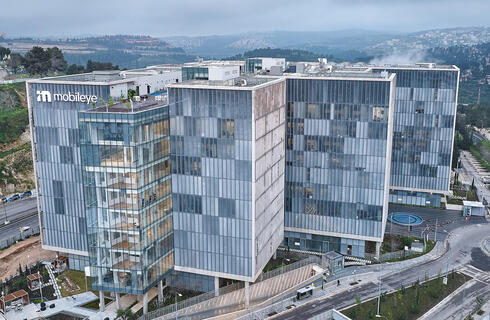
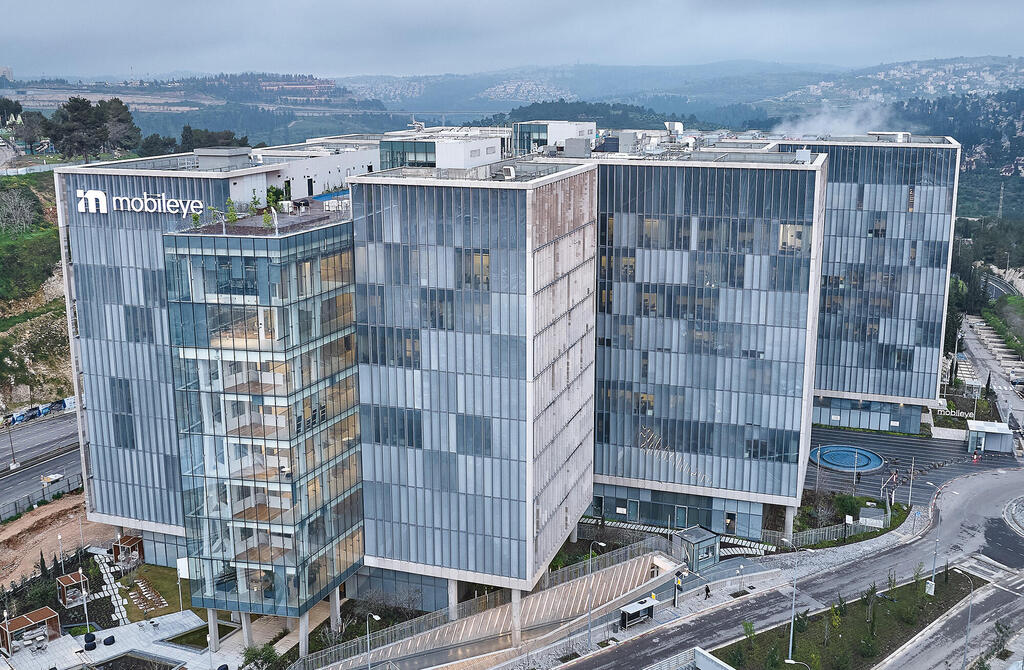
Today, Mobileye employs around 4,300 people, the majority of them in Israel, split mainly between its Jerusalem headquarters and a large Tel Aviv site.
For much of the past year, Mobileye’s leadership projected confidence about future demand, bolstered by announcements of new agreements with major automakers, as well as the acquisition of robotics startup Mentee in a $900 million deal. Yet the latest guidance suggests that translating those relationships into revenue growth is proving slower and more uncertain than investors were led to expect.
A valuation of under $8 billion is not merely a reflection of near-term earnings pressure; it is a judgment on credibility. Eight years after Intel paid $15.3 billion to buy Mobileye, and more than three years after bringing it back to the public markets, investors are no longer pricing in a bold future. They are pricing in disappointment.



