










From Ashalim to Hadera: The giant server farms flooding the electricity sector
101 projects to establish server farms are already in the review and planning stages with Noga, with cumulative demand of 27 gigawatts. In light of the exceptional wave of applications, the Electricity Authority and Noga have stopped accepting new applications for large farms for 140 days, until a grid connection policy is formulated
101 projects for the establishment of server farms across the country are already in the process of being examined and planned by the Noga company, which manages the electricity system, whose cumulative demand amounts to 27 gigawatts. In light of the exceptional volume of demand, the Electricity Authority and Noga stopped last month, and for 140 days, accepting new applications to connect server farms with a capacity of 8 megawatts or more, until they decide on their connection policy to the grid.
The list of projects on the table illustrates the extraordinary scope of the wave of applications that has flooded Noga. It includes server farms almost all over the country, with a significant number of them with a capacity of hundreds of megawatts for a single project. Among others, the list includes a project in Har Tuv with a capacity of 222 megawatts, a project in Eshkol with a capacity of 200 megawatts, a project in Ashalim with a capacity of 250 megawatts, and the "Mega Darom" project with a capacity of 560 megawatts.
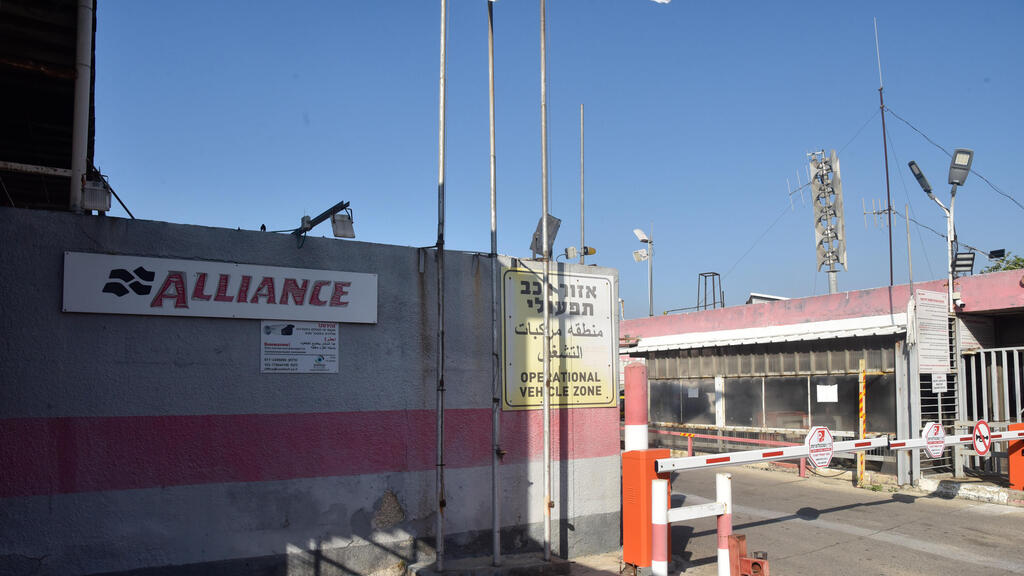
The same list shows that the AI Factory project in the Kidmat Galil Park is requesting a connection with a capacity of 875 megawatts, the SDS server farm in Nesher is also requesting 875 megawatts, and Mega Or's request on the grounds of the Alliance factory in Hadera reached a huge scale, no less than 1,111 megawatts.
Along with all of these, the list includes a long list of projects requesting 500 megawatts each - in Beit Shemesh, Timorim, Lehavim, Kiryat Malachi, Ein Tzurim, Lod, Kiryat Gat, Beer Sheva, Ashdod, Kiryat Shmona and Tiberias. Another request from Mega Or, relating to a site in Neve Yamin, reaches 720 megawatts.
The scope of demand indicates the challenge facing the electricity sector against the backdrop of the sharp surge that has occurred worldwide in the field of establishing server farms, partly due to the expansion of cloud services and artificial intelligence. Server farms are large and continuous consumers of electricity, which require a highly reliable supply. Establishing several large farms in the same area may require significant investments in the transmission network, substations and production capacity.
The surge in the number and scope of applications is the background to the extraordinary decision to temporarily halt the acceptance of new applications. During the 140-day freeze, the Electricity Authority and the Government of Israel are supposed to complete discussions on the issue and formulate a method for handling the new demands, while examining the ability of the electricity system to supply them and the investments that will be required for this purpose.
The freeze also illustrates the gap that has emerged between the rate of development of the server farm market and the rate of development of the electricity system. While entrepreneurs are seeking to secure connections in the hundreds of megawatts, the electricity grid and its production capacity cannot expand at the same rate, since the average time it takes to build a power plant from the planning stage to its operation is between 9 and 12 years. This situation highlights the absurdity that the electricity sector in Israel has found itself in. At a time of unprecedented explosion in demand for electricity, the processes of building the infrastructure that is supposed to supply it are progressing too slowly, with a long delay of years.



