









How a $14 million Polymarket bet turned an Israeli war reporter into a target
A routine war report by Times of Israel correspondent Emanuel Fabian triggered harassment and threats from gamblers trying to influence the outcome of a prediction market bet.
When an explosion shook the outskirts of Beit Shemesh on March 10 during an Iranian missile attack on Israel, it appeared to be a routine wartime report for Emanuel Fabian, the military correspondent for The Times of Israel.
Within days, however, Fabian says the report triggered a campaign of pressure, harassment and threats from people attempting to force him to change the story, not for political reasons, but to influence the outcome of a multimillion-dollar online bet.
Fabian reported on the day of the attack that an Iranian ballistic missile had struck an open area outside the city, landing roughly 500 meters from homes. Rescue services rushed to the scene fearing casualties, but none were reported.
Based on information from Israeli military sources and footage of the blast, Fabian wrote that a missile warhead had exploded in the area. The incident initially appeared minor in the context of the broader conflict.
Soon afterward, however, he began receiving unusual messages.
One email, from someone identifying himself as Aviv, argued that the explosion had not been caused by a missile strike but by fragments from an interceptor missile. Fabian responded that the evidence suggested otherwise.
“The footage also shows a massive explosion of hundreds of kilograms of explosives from the warhead,” he wrote back. “Normally, a fragment does not produce such an explosion.”
A second person, identifying himself as Daniel, soon contacted Fabian with similar claims and repeatedly urged him to amend the article.
“At first it seemed strange that two different people were pushing the same issue,” Fabian wrote later. “Why does such an inconsequential detail matter to these people, I wondered.”
The explanation soon became clear.
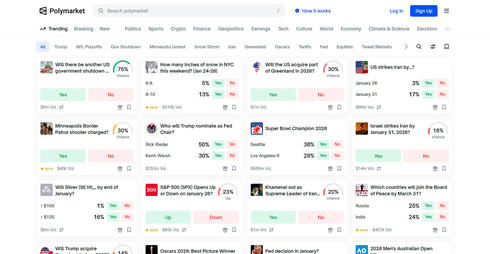
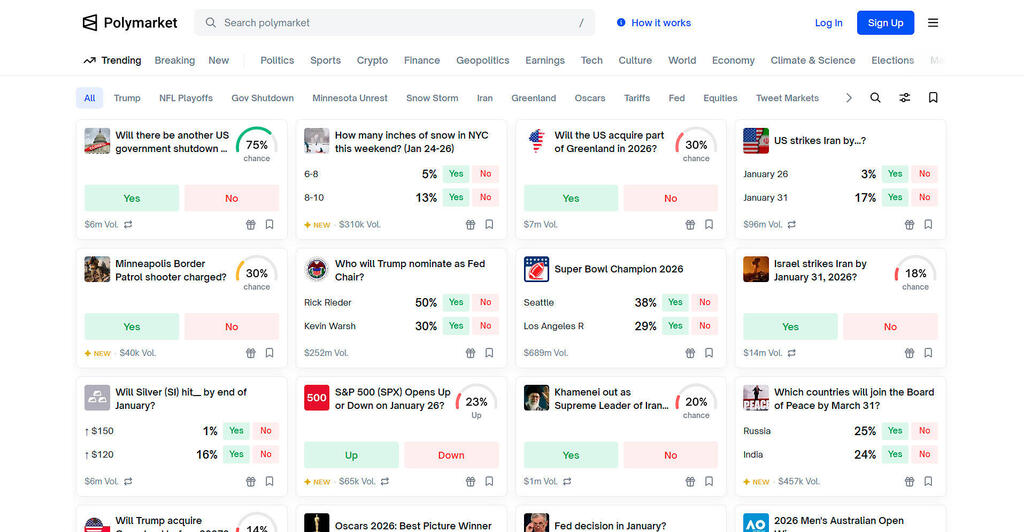
Several of the accounts contacting him appeared to be connected to users on Polymarket, a cryptocurrency-based prediction market where participants wager money on the outcome of real-world events.
One of the platform’s markets asked whether Iran had struck Israel on March 10. According to Fabian, more than $14 million had been wagered on the outcome.
The rules included a crucial clause: if missiles were intercepted before hitting Israeli territory, the bet would resolve as “No.” Only a confirmed strike on Israeli soil would produce a “Yes” result.
Fabian’s report that a missile had hit an open area near Beit Shemesh therefore carried financial implications for gamblers who had bet the opposite outcome.
“My minor report on a missile striking an open area was now in the middle of a betting war,” Fabian wrote.
The messages quickly multiplied. Fabian said he received emails, social media messages and inquiries on messaging platforms asking whether he would change the report.
At one point he was sent a fabricated screenshot of an email exchange falsely showing him admitting that the missile had been intercepted and promising to update the article.
Pressure also came indirectly. A fellow journalist contacted Fabian after an acquaintance asked him to persuade Fabian to amend the report. The acquaintance later admitted he had placed bets on the prediction market and even offered a share of potential winnings if the article were changed.
The situation escalated further days later, when Fabian began receiving threatening WhatsApp messages from someone identifying himself as Haim.
“You have exactly half an hour to correct your attempt at influence,” one message read.
In another message the sender warned: “After you make us lose $900,000 we will invest no less than that to finish you.”
Fabian said the threats also referenced personal details about his family and home area.
Rather than respond to the demands, Fabian contacted the police and provided evidence. Authorities are now investigating the incident.
“The attempt by these gamblers to pressure me to change my reporting so that they would win their bet did not and will not succeed,” Fabian wrote.
But he warned that the episode highlights a new risk facing journalists covering wars and global events.
“I do worry that other journalists may not be as ethical if they are promised some of the winnings,” he wrote, describing what he called a troubling intersection of “reality, journalism, gambling and criminality.”



