










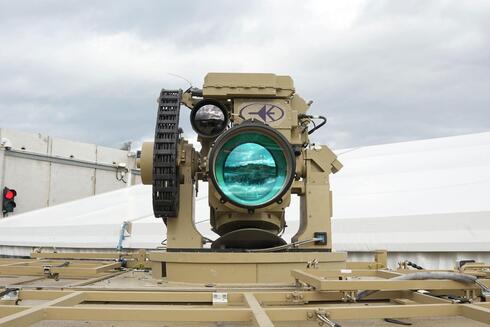
Israel’s Iron Beam laser system intercepts Hezbollah rockets from Lebanon
IDF deploys energy-based defense alongside airstrikes in escalating northern confrontation.
As rockets were launched from Lebanon toward the Haifa area early Monday, the first such attack since a ceasefire took effect in November 2024, Israel responded not only with airstrikes on Hezbollah targets in Beirut and southern Lebanon, but also with a new layer of defense: its Iron Beam laser system.
The Israel Defense Forces said it carried out targeted strikes against senior Hezbollah figures in Beirut and a “central Hezbollah terrorist” in southern Lebanon in response to the rocket fire. Lebanese media reported fatalities in Dahieh, a Hezbollah stronghold in Beirut, where footage showed extensive destruction and at least one apartment engulfed in flames. Roads in southern Lebanon and the capital were reportedly congested with civilians fleeing north.
The exchange unfolded as Israeli forces were simultaneously conducting strikes against Iranian regime targets in Tehran.
Against that backdrop, Israel’s Iron Beam laser defense system, long in development and recently delivered to the IDF, took part in intercepting aerial threats launched from Lebanon, according to defense sources familiar with the deployment. The participation of the laser system marks a significant milestone: the first time the energy-based weapon has operated as part of Israel’s active air defense network during renewed hostilities with Hezbollah.
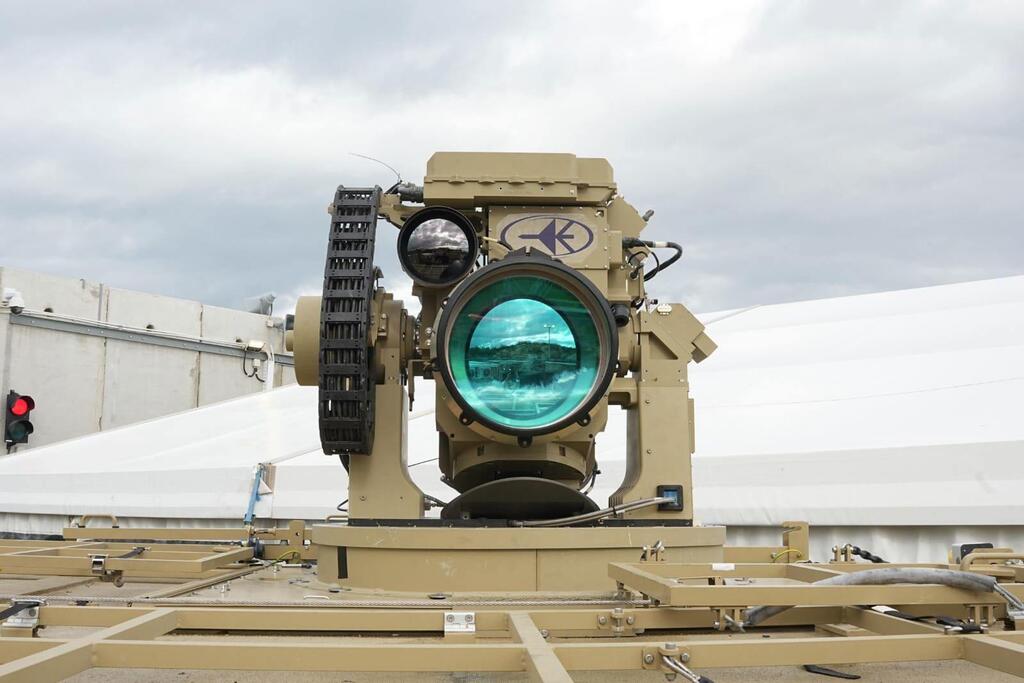
Iron Beam, developed by Rafael and also known as “Or Eitan,” is designed to intercept rockets, drones and other short-range aerial threats using a powerful laser beam. Unlike traditional missile-based systems such as Iron Dome, which fire interceptor rockets costing about $50,000 each, a laser interception is estimated by senior defense officials to cost only “a few shekels.”
That dramatic difference in per-shot cost has fueled enthusiasm around the system, particularly as Israel has faced prolonged campaigns involving thousands of rockets. Since its first operational interception in 2011, Iron Dome has intercepted more than 10,000 rockets launched from Gaza and Lebanon.
Yet the economics of laser defense are more complex than the per-interception figure suggests. Each laser targeting unit, effectively the “pointer” directing the beam capable of incinerating aerial threats, is estimated to cost several tens of millions of dollars. With an effective range currently limited to approximately 10 kilometers, protecting large swaths of territory would require the deployment of dozens, potentially hundreds, of such units.
The Iron Beam functions as a complementary layer to Iron Dome. Soldiers in command-and-control vehicles must decide in real time whether to engage an incoming threat with a cheap laser beam or launch an expensive Tamir interceptor missile. In heavy barrages involving dozens of rockets, both capabilities can be activated simultaneously.
Monday’s escalation began when Hezbollah claimed responsibility for launching rockets at what it described as a military site south of Haifa, saying the attack was in response to the assassination of Iran’s Supreme Leader Ayatollah Ali Khamenei by Israel.
The IDF responded with what local authorities described as a “wave of strikes” expected to continue in the coming days. Lt. Col. Ella Waweya, the IDF’s Arabic-language spokesperson, issued evacuation warnings to residents of more than 50 villages in southern Lebanon and the Beqaa Valley, urging them to move at least 1,000 meters into open areas.
Lebanese Prime Minister Nawaf Salam condemned the rocket launches as a “reckless act” that endangered Lebanon’s security and said the country would take measures to prevent being drawn into a broader conflict.



