











Nvidia board weighs ousting Jensen Huang as shares plunge
The reported meeting marks a dramatic reversal just days after directors expressed confidence in the longtime CEO. The potential departure of the founder of the $4 trillion chipmaker comes amid an expanding scandal involving allegations of two extramarital affairs and questions about links to China.
Nvidia's board is reportedly considering removing Jensen Huang as CEO, a stunning development for the company he co-founded and transformed into the world's most valuable semiconductor business. The possibility of Huang's departure sent Nvidia shares down more than 8% in after-hours trading on Wednesday, a decline that, if sustained, would bring the company's market value to its lowest level since June 2025.
The reported board meeting marks a dramatic reversal from just days earlier, when directors publicly expressed confidence in Huang and his leadership team. According to a source familiar with the matter cited by Reuters, the board was due to meet late Wednesday to decide whether to oust the longtime CEO. Nvidia did not immediately respond to a request for comment.
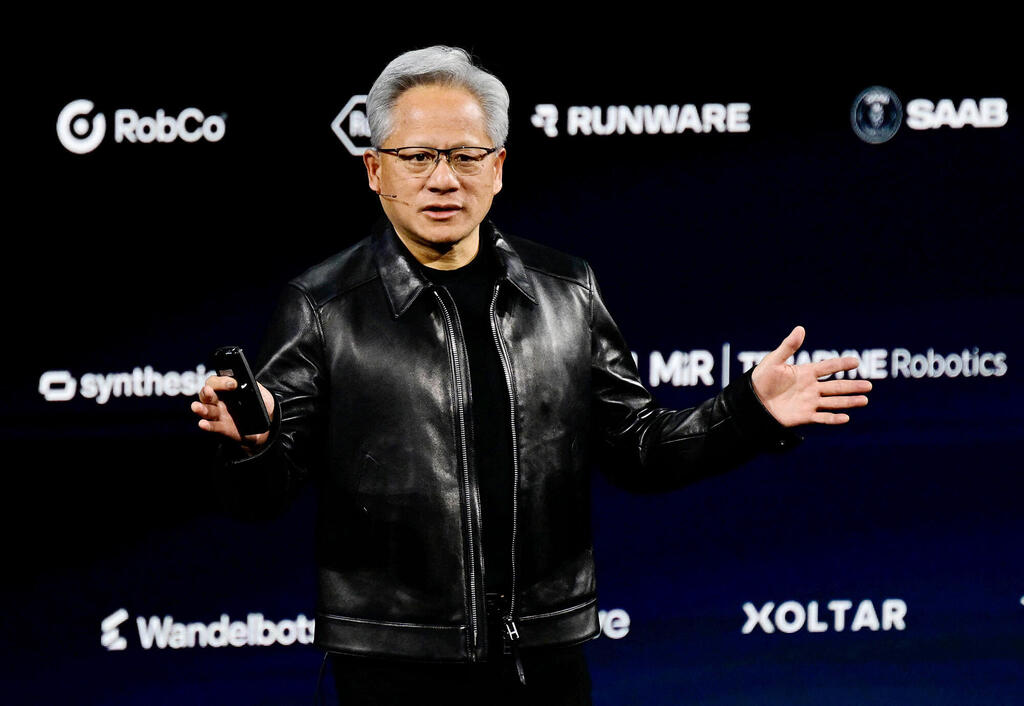
The potential removal of Huang, 63, would represent an extraordinary rupture at a company whose identity and strategy have been closely tied to its founder for more than three decades. Nvidia has become the central supplier of chips powering the global artificial intelligence boom, with a market value of roughly $4 trillion. Huang, who owns approximately 3.6% of the company's shares, has maintained unusually tight control over its operations, with dozens of direct reports and no obvious successor.
The crisis began with an investigation into Huang's relationship with a businesswoman named Alice Huang, who has been alleged to be a Chinese spy involved in facilitating shipments of Nvidia chips to Chinese companies. US intelligence agencies were reportedly examining the allegations, which have since raised questions about Nvidia's governance, its exposure to China and the judgment of its chief executive.
The controversy has expanded beyond the original allegations. The New York Times reported on Wednesday that Huang had also had an extramarital relationship with Kimberly Powell, Nvidia's vice president of healthcare, who reported to him. The newspaper cited five people who worked at the company. When contacted by the Times and asked about the relationship, Huang responded, "I don't think you should be talking to me directly," before ending the call. Nvidia and Powell did not immediately respond to requests for comment, while Reuters said it could not independently verify the report.
In a memo to employees on Sunday, Huang acknowledged being unfaithful to his wife and said he took "full responsibility," without providing details about the relationship. The board had initially expressed confidence in him, but the reported meeting to consider his removal suggests that the situation has become increasingly difficult for the company to contain.
Nvidia's bylaws allow Huang to be removed with or without cause by a majority vote of the board. The company has 11 directors, all but Huang considered independent. Bloomberg reported on Wednesday that the board had also been working with an outside firm to identify potential replacements.
There is no clear successor waiting in the wings. Colette Kress, Nvidia's chief financial officer for more than a decade, could be a natural interim choice, according to Armina Rosenberg, a portfolio manager and co-founder of Minotaur Capital, which holds Nvidia shares. But the larger question would be who could take responsibility for the company's long-term technology roadmap. Prediction markets have shifted sharply toward the possibility of Huang leaving before the end of the year, with Ian Buck, who oversees Nvidia's data-center business, emerging as a favored potential successor.
"The market is starting to price Nvidia without its founder as the likely outcome, not a tail risk," Rosenberg said. "Losing Jensen would be a real blow."
The immediate market reaction has been severe. Nvidia shares fell more than 8% in extended trading after the Wall Street Journal reported that the company was preparing to fire Huang. If the decline holds, the company would lose roughly $600 billion in market value compared with the period before the board investigation became public, while its valuation would fall to its lowest level since June 2025.
The concerns extend beyond the question of who will run Nvidia. Investors and analysts have argued that demand for the company's chips is unlikely to collapse in the near term, but warned that a leadership crisis could affect the wider ecosystem of companies building data centers around Nvidia's technology. The concern is particularly relevant because Nvidia has also invested in companies and projects that are among the customers driving demand for its chips.
The allegations have also become a political issue in Washington. Huang could face a congressional subpoena if he does not respond to a request from House Republicans to provide a closed-door briefing about the allegations surrounding his relationship with the woman suspected of being a Chinese spy. US President Donald Trump, who has a close relationship with Huang, has expressed support for the Nvidia chief, saying he had not discussed the allegations with him.
Separately, Axios reported on Wednesday that US Commerce Secretary Howard Lutnick had stalled Trump's efforts to crack down on companies suspected of diverting Nvidia chips to China. The White House and a spokesperson for Lutnick did not immediately respond to requests for comment.
The developments come at a particularly sensitive moment for Nvidia. The company is scheduled to report its quarterly results on November 17, when investors are expected to focus not only on demand for its chips but also on its outlook. The results will now arrive against the backdrop of an unprecedented leadership crisis at the company, with questions about Huang's future threatening to overshadow even the performance of the business he built.



