










Opinion
Israeli tech generates billions. The government must help turn that wealth into social impact
"Meaningful philanthropy does not begin the day after an exit," writes Maya Natan Mozer, Founder and CEO of Keshet, "it begins while the exit is still on the planning table."
Recent years have once again demonstrated the remarkable power of Israel's tech sector as an engine of wealth creation. Landmark deals, such as Google's acquisition of Wiz and Palo Alto Networks' acquisition of CyberArk, have generated enormous wealth for founders, executives, employees and shareholders. At the same time, the artificial intelligence boom is giving rise to companies reaching multibillion-dollar valuations within just a few years. Together, these developments are creating a new generation of wealth in Israel.
Months, and sometimes years before an exit, IPO or secondary share sale, nearly every detail is already being carefully planned. Lawyers examine the deal structure, accountants and tax advisers assess its implications, while investment managers and family offices prepare for wealth management and intergenerational transfers. Yet amid all this planning, one question is often raised too late: Should some of the wealth being created also be directed toward social causes, and if so, what is the best way to do it?
This is not merely a question of values. Timing matters.
Philanthropy as Part of Wealth Planning
We have grown accustomed to thinking of philanthropy as something that comes after wealth has been created. First comes the sale and realization of assets, and only then the decision about how much to donate and which causes to support. In some cases, however, this sequence may mean missing opportunities that exist before a liquidity event.
One notable example is the donation of shares. Under the right circumstances, rather than selling shares and subsequently donating part of the proceeds, it may be worth considering donating the shares themselves before the transaction. Depending on the type of shares, the deal structure, applicable law and individual circumstances, timing can have significant implications for taxation and for the amount of resources ultimately available to support social causes.
The question, therefore, is not only how much wealth to allocate to philanthropy, but also when and how to do so. This does not mean that every liquidity event should become a philanthropic event, or that donating shares is appropriate in every case. But when there is an intention to make a meaningful contribution, philanthropy should be incorporated into the planning process while options are still available.
You Don't Have to Decide Today Where You'll Donate Tomorrow
One concern I frequently encounter in conversations with donors and families is the belief that setting aside wealth for philanthropy requires knowing exactly where that money will eventually go. These are two separate decisions.
Philanthropic vehicles available today make it possible to separate the decision to allocate wealth for charitable purposes from the decision about when and where to distribute grants. This allows donors to make commitments at the right time from a wealth-planning perspective, while taking the time to explore different causes, establish priorities and determine where their resources can have the greatest impact.
A liquidity event also has a family dimension. It raises questions about the future, the wealth that will be passed on to the next generation and the values that should accompany it. Philanthropy can provide a framework for family members to define priorities together, make collective decisions and develop a shared sense of responsibility for family wealth.
This represents a meaningful shift in how we think about giving: moving away from donations prompted by individual requests toward a deliberate strategy of allocating wealth for long-term impact.
The Advisers Around the Table Have a Role to Play
Lawyers, accountants, tax advisers, wealth managers and family offices work closely with entrepreneurs at precisely the moment when some of their most consequential financial decisions are being made. They do not need to become philanthropic advisers, but they can recognize when the time is right to raise the possibility.
Sometimes, a single question is enough: Are you considering allocating part of the wealth generated by this transaction to philanthropy?
If the answer is yes, the available options can be explored in time, and the entrepreneur or family can relate to the appropriate professional resources. Once the transaction has been completed and the shares have been sold, some of those options may no longer be available.
The Government Must Adapt Its Policies to a New Reality
Under Section 46 of Israel's Income Tax Ordinance, the tax credit for charitable donations is currently limited to donations of up to 30% of taxable income in a given tax year, or approximately NIS 10.35 million annually, whichever is lower. Individuals are entitled to a tax credit equal to 35% of the eligible donation amount. Donations exceeding the annual ceiling may be carried forward for tax-credit purposes for the following three tax years, subject to the applicable annual limits.
Yet a single liquidity event can generate tens or even hundreds of millions of shekels in income in just one year. Against this backdrop, it is worth examining whether a system based on annual ceilings remains appropriate for individuals seeking to dedicate a substantial portion of their newly created wealth to philanthropy. Policymakers should also consider mechanisms specifically designed to accommodate major liquidity events.
This is not simply a matter of tax incentives. It is a question of public policy and vision: How can we create an environment that not only encourages wealth creation, but also enables those who choose to do so to transform part of that wealth into social capital?
Israel has proven its ability to build exceptional companies, achieve extraordinary exits and generate new wealth at an impressive pace. Now, it must also strengthen the infrastructure that allows some of that wealth to translate into lasting social impact.
Meaningful philanthropy does not begin the day after an exit. It begins while the exit is still on the planning table.
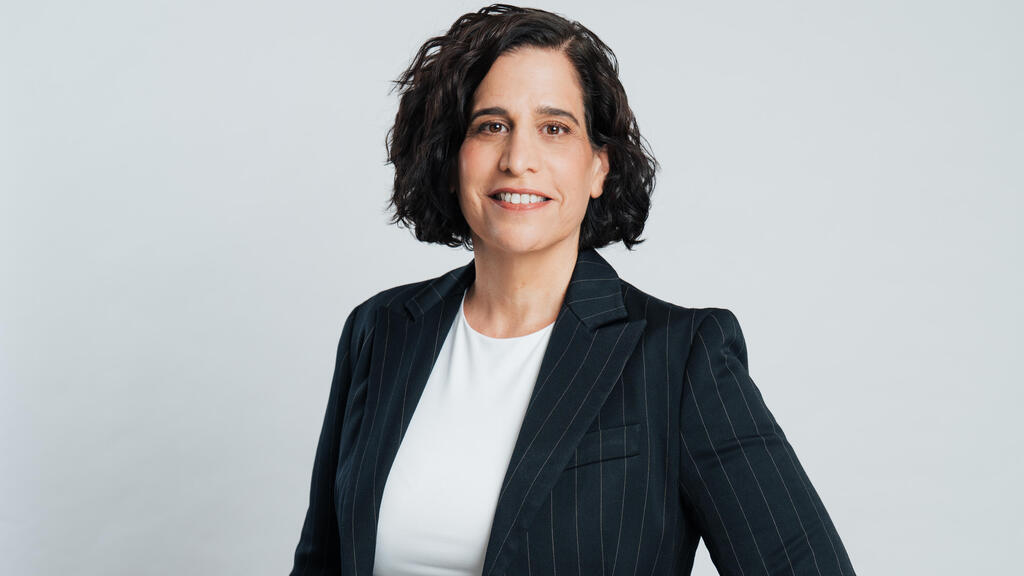
Maya Natan Mozer is the Founder and CEO of Israeli Donor-Advised Fund, Keshet.



