










Iran eyes new pressure point: The world’s undersea internet cables
Revolutionary Guard-linked media outline plans to tax and control digital infrastructure in the Gulf.
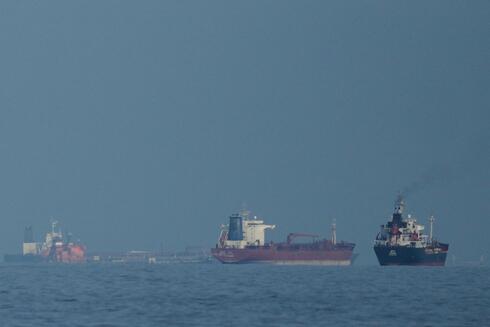
Iran is seeking to expand its influence over one of the world’s most critical communications infrastructures: the undersea cables that run through the Strait of Hormuz and connect Europe, Asia, and the Gulf states. After succeeding in disrupting maritime traffic through the Strait during the recent conflict, Tehran is now signaling that it also intends to exploit its geographical position to gain new economic and strategic leverage.
According to reports in media outlets affiliated with the Revolutionary Guards, Iranian lawmakers discussed last week a plan that would allow the country to collect fees from international technology companies that use undersea internet cables in the region. Companies mentioned in the reports included Google, Microsoft, Meta, and Amazon.
“We will charge fees for internet cables,” Iranian military spokesman Ebrahim Zolfaghari wrote last week on X. According to the reports, Iran wants to require cable operators to pay licensing fees for cables passing through the Strait of Hormuz and potentially grant exclusivity to Iranian companies for the repair and maintenance of the infrastructure.
Undersea cables are considered the backbone of the global internet, carrying the vast majority of global data traffic, including financial transactions, banking systems, cloud services, military communications, streaming, online gaming, and remote work. Damage to these cables, or disruption to their operation, could have far-reaching economic consequences.
Alongside the economic initiative, media outlets affiliated with the regime have also published implicit threats regarding the possibility of damaging the cables if companies refuse to cooperate. However, it remains unclear to what extent Iran could implement such a move in practice. While some cables pass through the Persian Gulf and the Strait of Hormuz, it is not publicly known whether they cross Iranian territorial waters.
In addition, US sanctions currently prohibit American companies from transferring funds to Iran, leading industry sources to estimate that the proposal may be largely declarative, designed to deter rivals and demonstrate Tehran’s ability to influence sensitive global infrastructure.
The move comes amid renewed regional tensions and fears of further escalation between Iran and the West following US President Donald Trump’s visit to China. For Tehran, the Strait of Hormuz is not only a critical energy corridor, but also an increasingly important strategic lever over the global digital economy.



