










Analysis
Apple faces an uncomfortable choice: Raise prices or sacrifice its famously high margins
The company’s gross margin fell to 47.9% as memory costs increased, and Apple expects further pressure. Its ability to pass those costs on to consumers without hurting demand is becoming a central question for investors.
One of the key factors that makes Apple such a highly valued company is its ability to maintain exceptionally high profit margins. In the hardware industry, gross margins typically range from 15% to 20%, with anything above 25% considered strong. Yet thanks to an efficient supply chain, premium pricing and a focus on high-end products, Apple has maintained gross margins of around 45% to 50% in recent years. Now, however, changing market conditions are threatening even that level of profitability, raising concerns among investors.
Apple’s quarterly results, released yesterday, were positive across most key metrics. Revenue reached $114.5 billion, exceeding analysts’ expectations and increasing 11.7% year over year, although the growth rate was more moderate than in the previous quarter. Net income rose 11.8% to $30.71 billion.

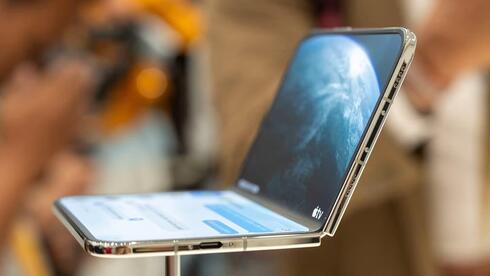
Despite the absence of new iPhone 18 or iPhone Air models during the quarter, iPhone sales climbed 17.5% to $57.58 billion, driven by strong demand for the iPhone 18 Pro models. The next iPhone Air models are slated for the first half of 2027, while the foldable “iPhone Duo” reached stores only after the quarter had ended. Mac and Services also performed well, while revenue from the wearables category declined.
One figure, however, stands out as a potential warning sign: gross margin. After reaching 50.1% in the June quarter, it fell to 47.9% in the latest quarter. Although the figure slightly exceeded analysts’ expectations, the concern is that the decline may not be temporary.
During its earnings call, Apple forecast revenue growth of 7% to 10% in the current quarter, suggesting a further moderation in growth. At the same time, the company warned that gross margins would face additional pressure. The main culprit is the sharp increase in memory chip prices, which has already prompted Apple to raise prices on products including the MacBook Air, iPad and, more recently, the iPhone 18 Pro, whose starting price is $100 higher than that of the iPhone 17 Pro.
Apple had been shielded from some of the increases by stocks of memory chips purchased at lower prices before the market tightened. But those inventories are now beginning to run down, leaving the company increasingly exposed to higher component costs.
Apple faces two difficult choices. It can raise prices to protect its margins, risking weaker sales as customers delay upgrades or opt for cheaper alternatives. Alternatively, it can absorb the higher costs, preserving its pricing strategy but accepting a hit to profitability.
Despite the market’s negative reaction, with Apple shares down approximately 3.9% in early trading at the time of publication, the company retains several advantages over other major technology players. Unlike many of its rivals, Apple is not investing hundreds of billions of dollars in AI infrastructure. That has helped position it as a relative safe haven for investors concerned about a potential AI bubble.
By comparison, some of the companies making the largest bets on AI have suffered sharp declines over the past five trading days. Google fell 11.5%, while Nvidia lost 6.5%. Apple also lost its position as the world’s most valuable publicly traded company by market capitalization.
The expected arrival of the iPhone Duo, which reportedly sold out immediately after its launch, could provide another source of support. Together with Apple’s more limited exposure to the enormous infrastructure spending driving the AI boom, it gives the company some breathing room as it confronts rising component costs, pressure on margins and the possibility of further price increases.