










Aleph Farms cuts jobs and shifts to outsourcing as cultivated meat industry stumbles
Israeli foodtech company seeks fresh funding while adapting to a market struggling to prove commercial viability.
The difficulties facing the foodtech and cultivated meat industry continue to take a toll on Israel’s Aleph Farms. The company is preparing for another round of layoffs and is restructuring its operations to rely primarily on outsourcing in an effort to reduce costs. After missing key milestones and facing a severe cash crunch last year, when it came close to running out of funds, Aleph Farms is now seeking to complete a new fundraising round while cutting an additional 10 employees. Over the past two years, the company has parted ways with most of its workforce.
Aleph Farms is Israel’s best-known cultivated meat company and is widely considered one of the sector’s leading players, particularly following the collapse of fellow Israeli cultivated meat startup Believer Meats. Founded in 2017, the company has raised approximately $150 million. At its peak, it employed around 140 people. Following successive rounds of layoffs that began in 2023 and continue today, only a few dozen employees will remain. The company has already shut down its U.S. operations and is now focusing on the commercialization of its first product while adapting its structure to a more challenging market environment.
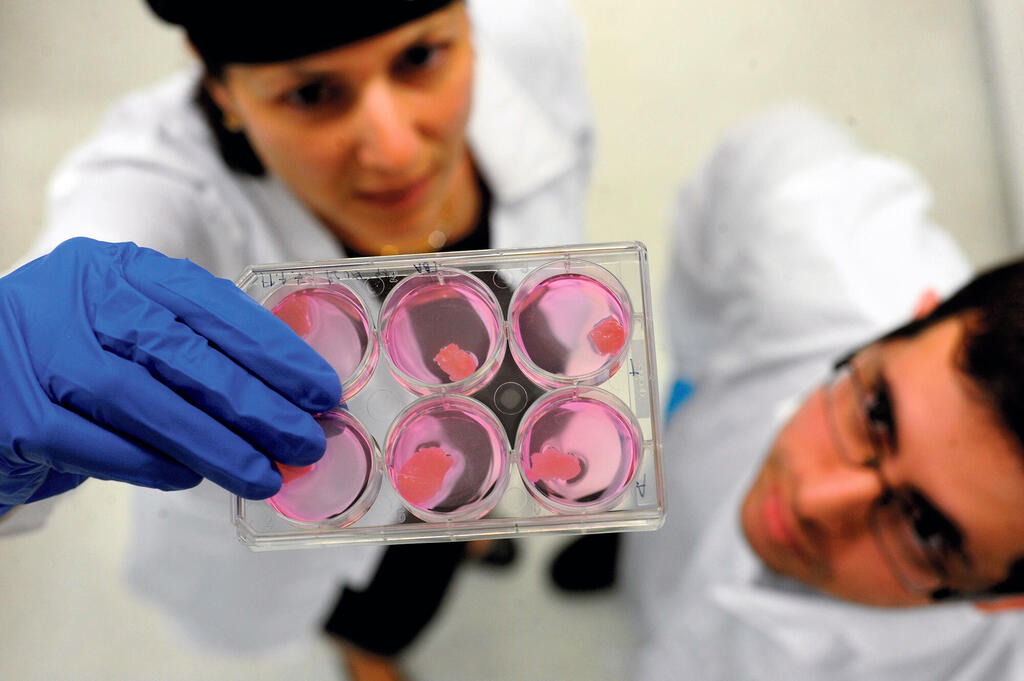
Calcalist has learned that Aleph Farms is continuing to grapple with the difficulties affecting the broader cultivated meat industry and is moving to a new operating model based largely on outsourcing in order to improve efficiency and flexibility. According to CEO Didier Toubia, the company will continue building a global production infrastructure through external manufacturing partners in Israel, Switzerland, and Singapore, while working to complete regulatory approvals required for worldwide distribution. Aleph Farms has signed four commercial agreements in Israel and abroad, although their implementation depends on the successful completion of the fundraising round currently underway.
According to Toubia, “The vision and long-term goals remain unchanged. We are building the right infrastructure for the long term and raising capital to realize our full potential. Our goal is to become a leading company in the emerging global cellular agriculture sector and create a meaningful impact.”
Global investment in foodtech, and cultivated meat in particular, has declined sharply in recent years as investors reassess the industry's prospects. Despite years of enthusiasm, no company has yet demonstrated commercially viable large-scale production, while development and manufacturing costs remain extremely high. Across the industry, companies have missed targets, revised business plans, and struggled to secure additional funding.
Earlier this year, Believer Meats, once considered one of the world’s most promising cultivated meat companies, collapsed despite having built a large-scale production facility in the United States. The cultivated meat sector has shifted from a period of rapid growth and investor enthusiasm to one characterized by caution, consolidation, and emergency fundraising. Investors that remain active are primarily strategic backers, food corporations, and long-term funds rather than venture capital firms seeking rapid returns.
While the industry is no longer merely a distant vision, with several companies having received initial regulatory approvals, commercialization remains limited and the path to mass production remains uncertain. Questions persist about whether cultivated meat can be produced economically at scale. In addition, most products currently approved for sale are hybrid products that contain only a small percentage of cultivated animal cells and rely primarily on plant-based ingredients.



