










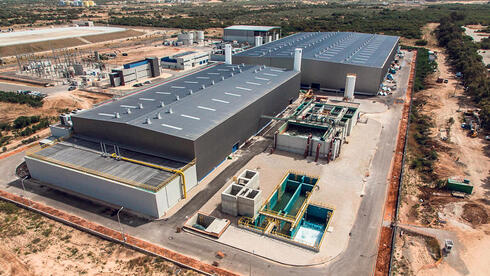
Israel spent $15 million on desalination membranes that may not be needed
The state bought replacement membranes fearing the algae crisis would rapidly damage those already in use. So far, the expected deterioration has not occurred, leaving private operators with a valuable stockpile for future use.
While the algae bloom crisis at Israel’s desalination plants has not yet fully ended, the water sector has largely moved beyond its most acute phase. The crisis may now have an unexpected financiconsequence for the privately owned plants: the state purchased replacement membranes for them at an estimated cost of approximately NIS 45 million ($15M), according to a Calcalist analysis.
The purchase was made out of concern that the algae bloom would cause abnormal deterioration of the membranes, forcing the plants to replace them. So far, however, no such deterioration has been observed.
As a result, the membranes purchased by the state are expected to become part of the plants’ routine inventory for future use, potentially saving their private operators the cost of purchasing the expensive components themselves. It is still too early to assess the full consequences of the crisis, from its impact on natural water sources and the environment to the broader economic costs incurred by the water sector.
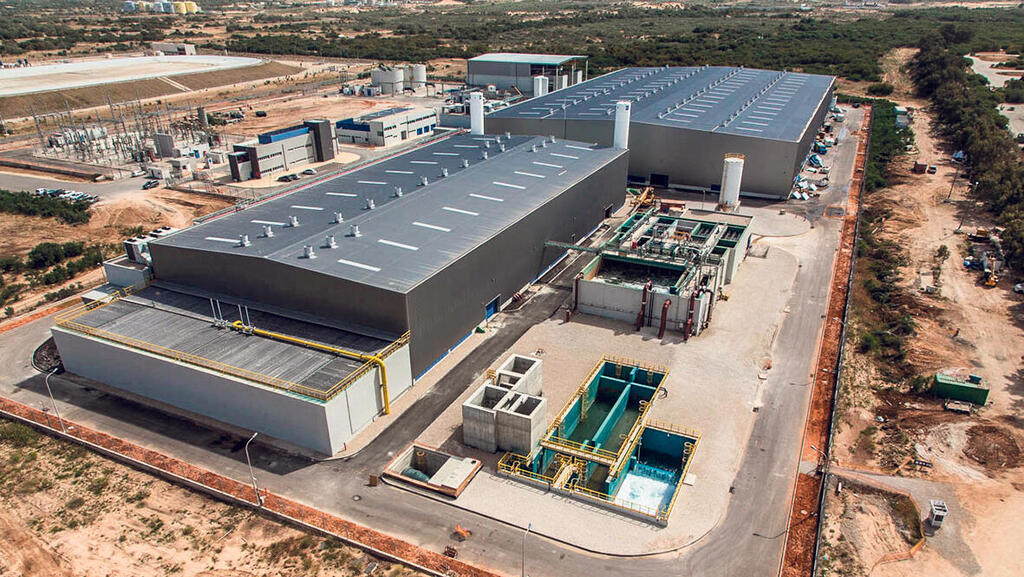
Israel’s reverse-osmosis desalination plants force seawater through membranes at high pressure. The membranes contain microscopic pores that block salts and other impurities while allowing water molecules to pass through.
The membranes are highly sensitive to organic matter, making them particularly vulnerable to algal blooms, which can expose them to sudden and unusually heavy loads of organic material. Algae can clog the membranes and release sticky organic substances that significantly shorten their lifespan.
Operating the plants at full capacity during such conditions can also require more frequent chemical cleaning. That process can itself reduce membrane longevity. In severe cases, damage can require the replacement of the membranes, which is costly, or even force a temporary shutdown of a plant.
According to manufacturers, desalination membranes typically have a lifespan of seven to 10 years under normal operating conditions.
A few days after the crisis began, the Water Authority decided to partially restart the desalination plants and compensate private operators for any membrane damage caused by the algae bloom. The state later changed course, deciding instead to purchase a stockpile of replacement membranes in advance rather than compensate operators retroactively for membranes that might be damaged.
With the feared accelerated deterioration failing to materialize so far, the state-purchased membranes now appear likely to remain available as future inventory. This means the private operators may ultimately avoid an expense that would otherwise have fallen on them, while the state has already covered the cost of purchasing the replacements.
More than a month after the desalination crisis began, however, the water sector has still not fully returned to normal operations.
According to the Water Authority, as of yesterday, three of the six desalination plants along Israel’s Mediterranean coast were still operating at reduced capacity. The Ashdod plant was operating at 66% capacity, Sorek B at 60%, and Palmachim at 85%.
The Ashkelon and Hadera plants, as well as Sorek A, were operating at full capacity.
In Ashdod, algae contamination is still preventing the plant from increasing its flow, and it remains unclear when production will return to higher levels. At Sorek B, a technical malfunction in the pumping system is preventing an increase in production, and the problem is currently being addressed.



