










Israel’s desalination crisis could last weeks as authorities await algae test results
A week after microscopic algae disrupted several desalination plants, Ashkelon and Ashdod remain shut while three others are operating at reduced capacity. Authorities have yet to publish results from a controversial experiment involving aircraft dispersing copper-containing materials off the Ashkelon coast.
A week after the crisis at Israel’s desalination plants began, the Energy Ministry and Water Authority are concerned that the disruption could continue for at least several more weeks. The concern comes as the Water Authority has yet to publish the results of a controversial experiment conducted last Wednesday, in which aircraft dispersed copper-containing materials off the coast of Ashkelon in an attempt to neutralize microscopic algae threatening the desalination plants’ filtration systems.
The Water Authority said about 24 hours after the experiment that results were expected within roughly two days, but they have yet to be released. The continued shutdown of the Ashkelon and Ashdod desalination plants, which have remained offline since the beginning of the crisis because of exceptionally high turbidity levels, suggests that the authorities have not yet found an effective solution to the problem.
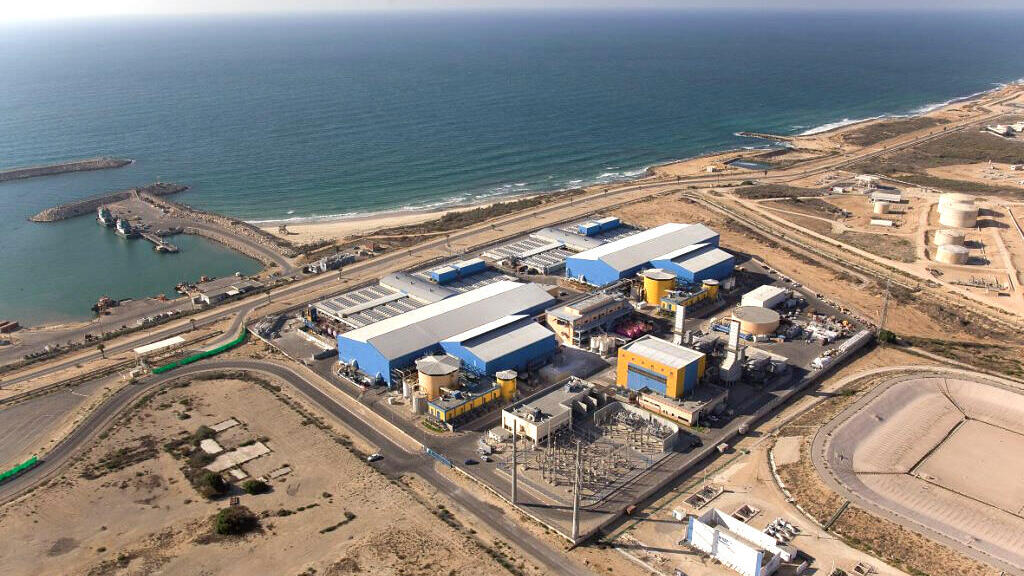
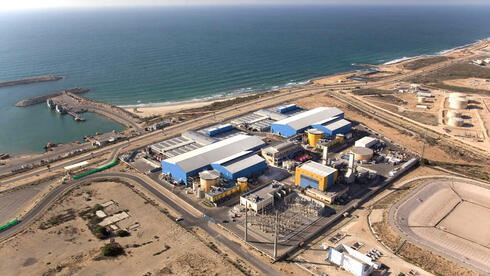
Meanwhile, most of Israel’s desalination capacity remains impaired. The Hadera plant has been the only facility operating regularly since the crisis began. The plants in Ashkelon and Ashdod remain completely shut down because of the high turbidity, while the Palmachim, Sorek A and Sorek B plants are operating at reduced capacity amid concerns that running them at full capacity could cause their filtration systems to become clogged by microscopic algae.
At a situation assessment held this afternoon by the Energy Ministry and Water Authority, officials said that "stability in the systems is maintained" and that the water supply, including to the agricultural sector, continues as usual. This follows a significant increase in pumping from the Sea of Galilee by Mekorot over the weekend, which helped replenish reservoirs across the country.
The Water Authority and Energy Ministry also said that "it was decided to purchase a dedicated stock of membranes for the desalination plants." A senior water industry official said the purchase involves thousands of membranes that could be used to replace damaged or clogged membranes if the desalination plants that remain operational are affected by algae. The state will fund the purchase under understandings reached last week between Water Authority Director Hezi Lifshitz and the directors of the desalination plants.
The development comes after Energy Minister Eli Cohen and the Water Authority repeatedly said last week that the crisis was nearing an end. On Monday, the Energy Ministry and Water Authority said that teams "continue to manage the event continuously and around the clock and ensure the resilience of the water sector and the continuity of full supply to all citizens." They also called on the public to "act efficiently and responsibly in using water."
According to a senior water sector official, at least five research groups are currently working to find a solution to the algae problem, in addition to the experiment conducted last week off Ashkelon.
"They are literally in an internal competition, against the clock, to come up with a solution for this algae," the official said. He added that the Ashkelon experiment was controlled and had received approval from all relevant parties, including the Ministry of Environmental Protection and the Ministry of Health.
Despite the participation of Health Ministry representatives in discussions before the Ashkelon experiment, the ministry subsequently recommended that the public avoid fishing in the area as a precautionary measure.
The experiment itself was not systematically disclosed to the public by any government authority beforehand. Spray aircraft operated by Chim-Nir dispersed copper-containing materials over areas where high concentrations of algae had been detected, in an attempt to neutralize or disperse the algae and prevent them from reaching the desalination plants’ intake systems.



