










IBI closes Dan Ariely-backed fund after five years of near-zero returns
The fund, launched in 2018 around a model designed to identify promising companies through their human capital, manages just NIS 2 million after losing 0.7% over five years, while the S&P 500 gained 70.2%.
After delivering almost no return over five years and attracting just NIS 2 million in assets, IBI is closing the mutual fund it launched in partnership with behavioral economics researcher Prof. Dan Ariely.
IBI’s mutual fund company announced that it would liquidate the IBI D.A. MODEL fund, launched in 2018 and built around an investment model developed by Ariely and his research team.
The liquidation will take effect on November 25. The company will stop offering units in the fund on Friday, and it will no longer be possible to redeem units from the liquidation date. According to the filing, the fund manager will be allowed to deviate from the investment policy specified in the fund agreement as necessary to sell the fund’s assets and distribute the proceeds to unitholders. The filing did not initially specify a reason for the decision.
1 View gallery
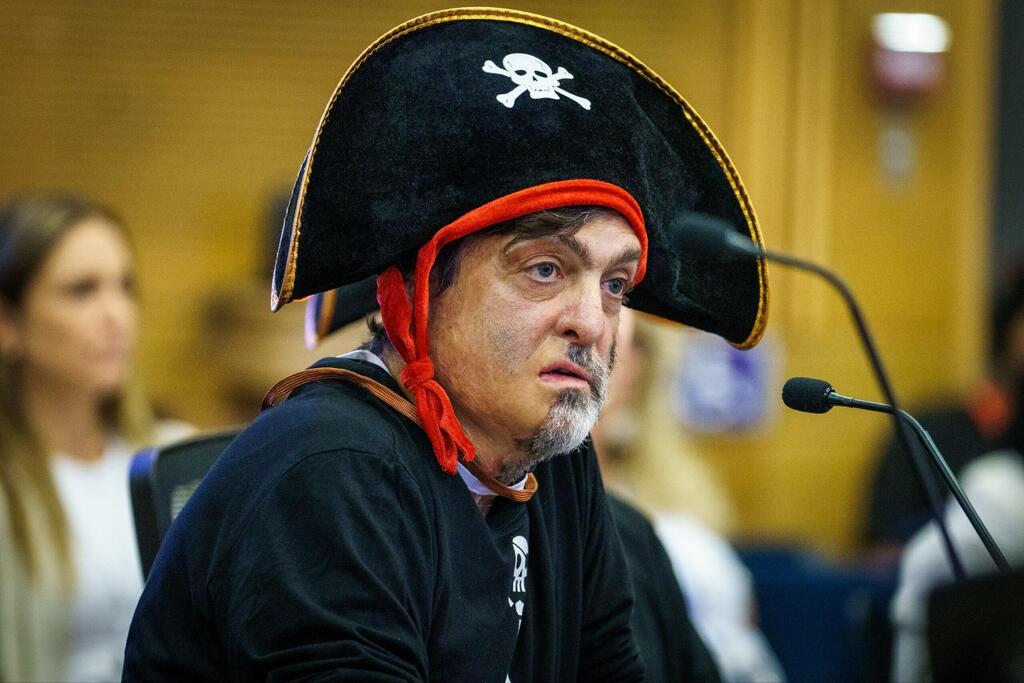
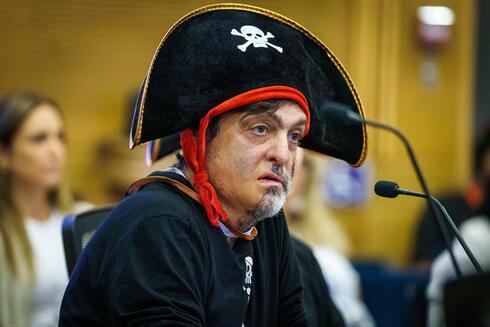
Prof. Dan Ariely presents the Pirates list to the Central Elections Committee, in September.
(Photo: Shalev Shalom)
IBI is one of Israel’s largest mutual fund managers, with NIS 87 billion in assets under management. The Ariely-backed fund, however, failed to gain traction. It currently manages just NIS 2 million and charges an annual management fee of 1.35%.
The fund has returned 7.2% since the beginning of 2026, compared with a 12.35% gain in the S&P 500. Over the past five years, it lost 0.7% of its value, while the S&P 500 rose 70.2%.
The investment strategy was based on the premise that companies’ prospects for long-term success could be assessed by examining the quality of their human capital. Ariely and his research team developed a model using a database of hundreds of publicly traded companies, primarily in the United States, that they had collected and studied since 2006.
According to materials published by IBI when the fund was launched, the model’s central idea was that a company’s prospects depend not only on conventional financial measures such as revenue and profits, but also on the quality of its employees. The researchers used mathematical analysis to identify workforce characteristics that they believed could help predict future business performance. The fund was designed to turn those findings into an investment strategy, focusing primarily on companies identified by the model.
Ariely is one of Israel’s best-known researchers in behavioral economics. He rose to international prominence through research into irrational decision-making, particularly in areas such as honesty, cheating and incentives. A professor at Duke University in the United States, he is also known for bestselling books including Predictably Irrational and for his popular lectures on human behavior.
His reputation as a researcher has come under scrutiny over the past year. A study he published 24 years ago in the journal Psychological Science was retracted after irregularities were identified in the underlying data. Researchers examining the findings raised concerns about possible data manipulation and the possibility that some data had been fabricated.
Ariely said he lacked sufficient documentation to explain the discrepancies and did not remember the experiments in enough detail to respond fully to the allegations. He said he was cooperating with the review and the retraction process, adding that his responsibility was to help ensure the accuracy of the scientific record.
In response to the decision to close the fund, IBI said: “The investment model and the business aspects of the fund were examined over a period. After the fund’s activity did not develop as expected, the company decided to close it.”



