









Lightricks to split into two companies as it cuts another 75 jobs
Jerusalem unicorn reshapes itself around AI, as Facetune profitability funds a costly push into video models.
The veteran Jerusalem unicorn Lightricks continues to grapple with major operational changes amid the disruption caused by AI video models. Against this backdrop, the company is launching another round of layoffs, less than six months after cutting 85 employees, who at the time represented about 15% of its workforce.
Today, the company informed 17% of its employees that they would be laid off, totaling 75 workers. Most of those affected, 55 employees, are based in Israel and work in core software and product development roles. After the current round and previous cuts, Lightricks will employ about 350 people, roughly half its workforce in 2022, before the AI-driven downturn began.
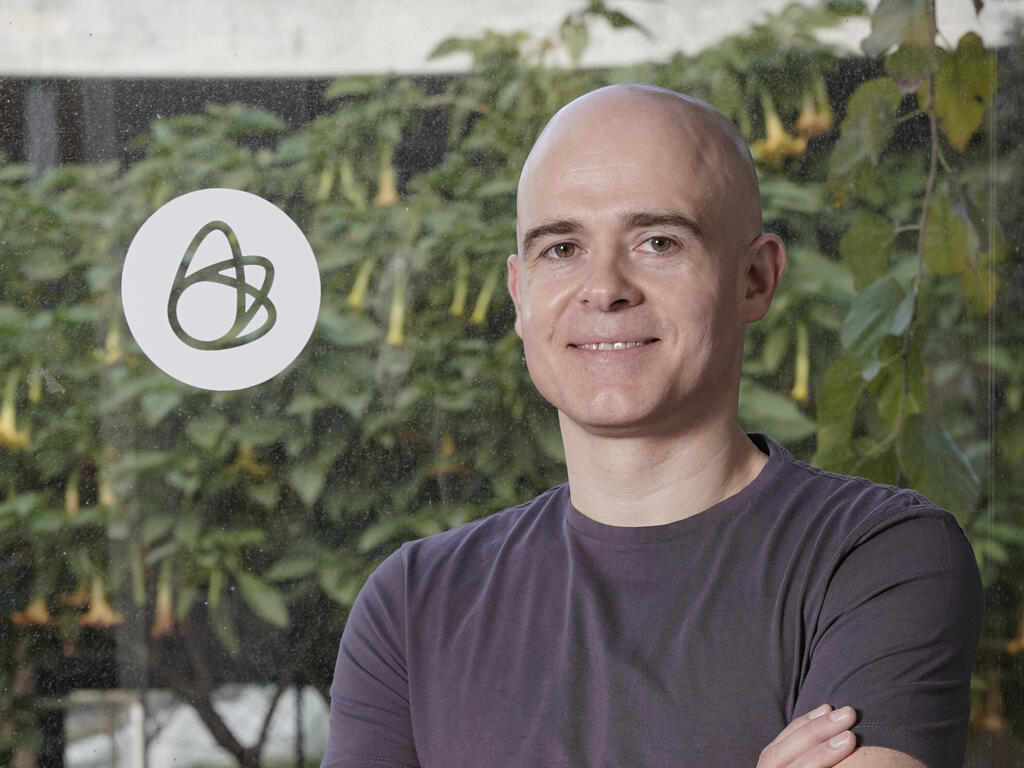
Lightricks currently operates two businesses that are expected to be split into two separate companies: the traditional business of its popular photo-editing app Facetune, and a newer video AI division currently operating under the name LTX.
Facetune generates around $300 million in revenue, growing at approximately 20% annually. Despite these strong results, it is expected to face increasing competition as AI-generated tools become cheaper and more widely integrated into consumer apps.
For now, Facetune is effectively financing Lightricks’ heavy investment in its AI division. According to co-founder and CEO Zeev Farbman, the company has invested about $150 million in the AI business to date.
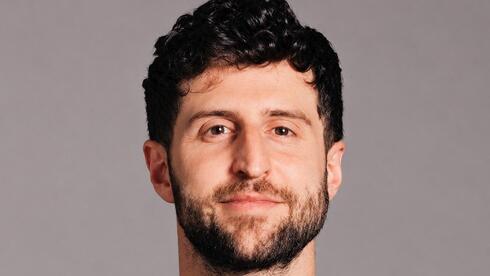
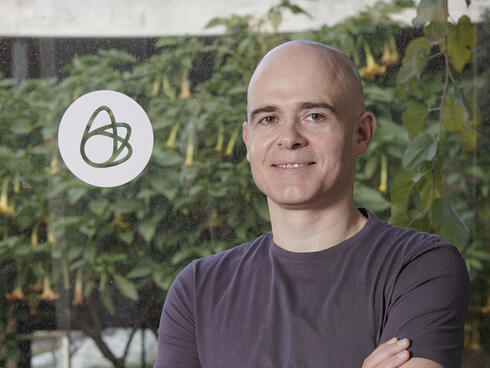
As part of the planned split, Farbman will focus solely on LTX, while Asaf Porat, former deputy CEO of Outbrain, which merged with Teads and is traded on Wall Street, will take over Facetune.
During the summer, Facetune will also part ways with CFO Shaul Meridor, who recently announced his decision to enter politics by joining Gadi Eisenkot’s “Yashar” party. After the split, Facetune will have about 100 employees, while LTX will employ roughly 250.
“Alongside the layoffs, we still have 30 open positions, but we are forced to reduce headcount because the AI modeling activity requires a different kind of talent, AI experts who have actually built models,” Farbman said in an interview with Calcalist. “So far, we’ve mostly recruited such people from Orcam, and maybe now from AI21 as well.”
He added: “Our CTO, one of the company’s founders, has moved to London, and we are beginning to recruit there as well, because, ironically, given the shekel exchange rate, talent there has become cheaper than in Israel.”
Ironically, even after the previous layoff round in October 2025, Lightricks still maintained that around 30 positions remained open.
Lightricks was founded in 2013 by Farbman along with Amit Goldstein, Yaron Inger, Nir Pochter, and Itai Sidon, and was one of Israel’s earliest unicorns. The company has raised $335 million to date, but has not raised a new funding round in many years.
Its profitable Facetune business continues to fund AI development. However, if the AI division succeeds and scales, the company is expected to eventually seek new capital.
Farbman is now fully focused on LTX, which initially developed a video model competing with systems such as OpenAI’s Sora. Recently, however, the company shifted toward an enterprise model, selling licenses to its technology rather than operating it itself. This approach reduces the massive computing costs by running models on customers’ infrastructure.
At the same time, LTX is targeting the emerging field of physical AI, where video models are used to train robots in human actions such as folding laundry, tasks machines still struggle to master.
According to Lightricks, LTX is already generating annualized revenues of tens of millions of dollars from licensing its models, primarily from large tech companies and Fortune 500 clients.



