










Tel Aviv apartment project damaged by missile strike days before residents were set to move in
Six years after launching an urban renewal project, residents face months of new delays.
For six years, the residents of a building on Bilu Street in Tel Aviv, near the intersection of Yehuda Halevi and Lincoln Streets, have been waiting to move into their new homes. The apartments were scheduled to be delivered in the coming days, but a missile strike that landed nearby disrupted those plans.
The building entered the urban renewal process roughly six years ago under the TAMA 38/2 framework, which involves demolition and reconstruction. The residents selected the Ram-Mograbi-Arditi Group as the developer, and construction began about two and a half years ago. The original building contained 10 apartments; after demolition and rebuilding, it now includes 16 newly constructed units.
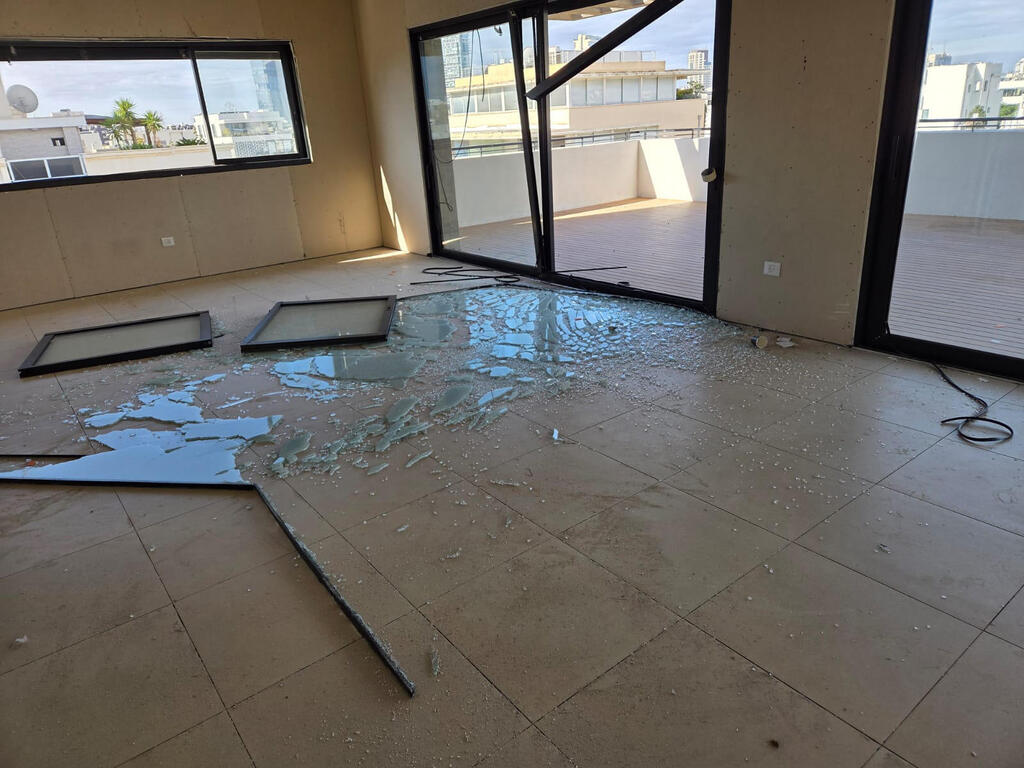
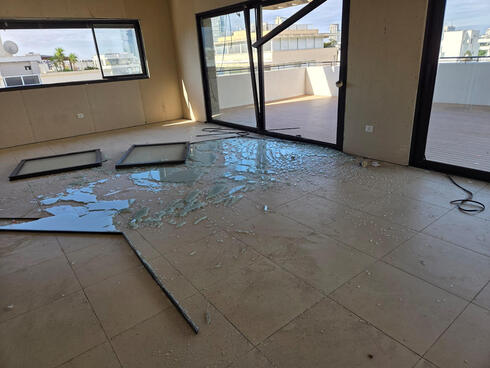
Despite what residents describe as a near-miraculous escape from major structural damage, even relatively limited harm is expected to delay occupancy significantly and create indirect financial losses for both the tenants and the developer, costs that are unlikely to be covered by compensation.
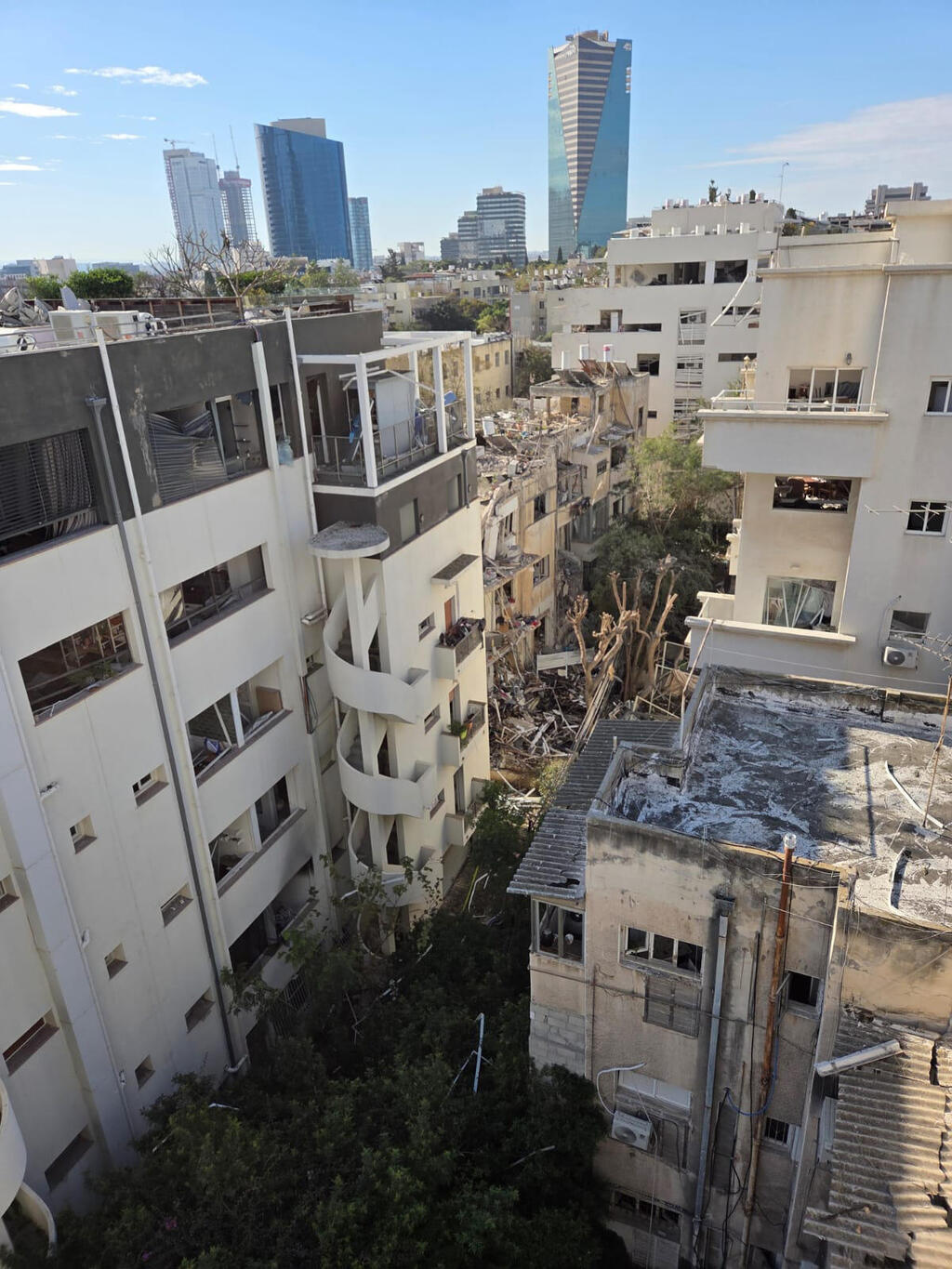
The damage to the building stems from the blast impact at the rear of the structure. According to preliminary estimates by an appraiser on behalf of the developer, all the windows and several doors were destroyed, requiring the replacement of the entire aluminum framework at a cost of several million shekels. The repair work is expected to take several months.
During that time, the developer will have to continue covering rent payments to the apartment owners. Meanwhile, tenants who had already planned to move in will be forced to find temporary housing for the coming months. Apartment owners who intended to rent out their units will also lose the high rents they had expected to receive until the damage is repaired.
Guy, an apartment owner in the building, said he had owned a unit in the original structure and had been involved throughout the entire redevelopment process, from selecting the developer and lawyer to advancing the planning stages.
“We had already chosen the stove for the apartment. It was at the stage where all that was left was cleaning,” he said. “I had already signed a lease with tenants. According to the agreement, I receive rent from the developer of 7,000 shekels per month, but the lease I signed for the new apartment was for 16,500 shekels. No one is paying me the difference.”
Under current property tax compensation policy, authorities restore properties to their previous condition but do not cover indirect losses incurred by developers or apartment owners.
Because the apartments have not yet been delivered, the developer, rather than the individual residents, will handle the claims process with the property tax authorities. In buildings that are already occupied, each tenant typically manages the process independently.
According to Elad Shmerling, co-owner and CEO of the Ram-Mograbi-Arditi Group, the situation has created a complex legal challenge.
“Because the property tax regulations do not match the situation we’ve found ourselves in, we will have to create a legal framework that allows us to handle the case on behalf of the tenants so that the compensation can ultimately reach us,” he said.



