










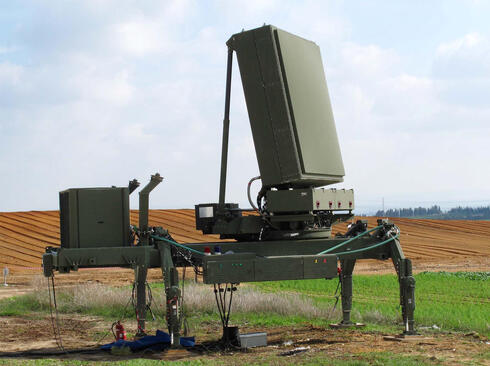
IAI folds Iron Dome and Arrow radar maker Elta into core business ahead of 2027 share offering
The restructuring will eliminate overlapping administrative structures and bring Elta’s roughly 4,500 employees into IAI, while allowing the state-owned defense group to market its radar systems as part of a broader portfolio. Elta generated $2.2 billion in sales in 2025, about a quarter of IAI’s total revenue.
The merger of Elta Systems, the manufacturer of radars used in Israel’s Arrow and Iron Dome air defense systems, with its parent company, Israel Aerospace Industries (IAI), is moving forward. IAI’s board of directors approved the merger on Wednesday, paving the way for Elta to become one of the company’s four main business divisions rather than operate as a separate subsidiary.
Under the new structure, Elta will join IAI’s Military Aircraft Division, Missiles and Space Systems Division, and Aviation Division.
The merger process was initiated about a year ago by the Government Companies Authority, headed by Roi Kahlon, as part of an effort to strengthen IAI’s position and increase its value ahead of a planned minority share offering in 2027.
IAI and the Government Companies Authority expect the integration to improve operational efficiency and reduce costs, primarily by eliminating overlapping administrative structures. Maintaining separate headquarters and management mechanisms at the two companies currently costs tens of millions of shekels annually, according to the rationale behind the merger.
The restructuring is also intended to strengthen the companies’ global competitiveness by allowing IAI to market Elta’s systems alongside its own products, potentially creating more opportunities for combined sales. The merger would also eliminate the need for separate boards of directors.
The government approved the move in July, and Elta’s board endorsed it in recent months. Once the merger is completed, Elta employees will become employees of IAI, with their existing employment terms preserved, according to senior company officials.
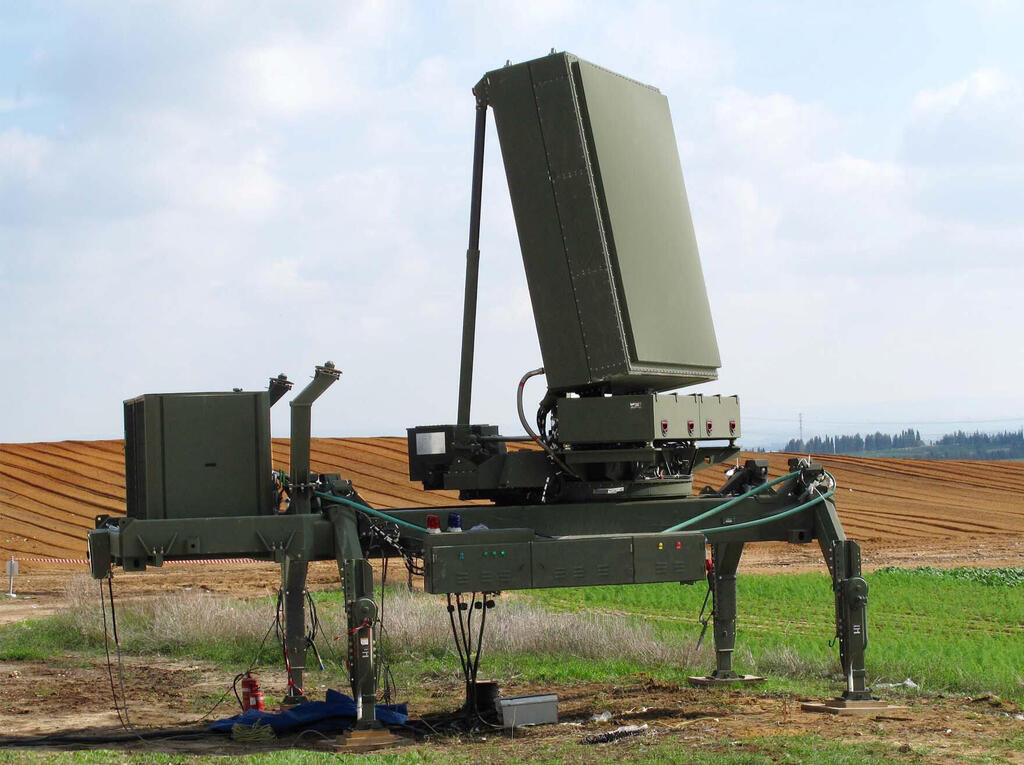
Elta employs approximately 4,500 people, nearly one-third of IAI’s total workforce, and is managed by Dror Bar. Its main operations are based in Ashdod, where it develops and manufactures radar systems used in Israel’s principal air defense programs, including Arrow, Iron Dome and David’s Sling. Its activities also encompass IAI’s Land Division, which specializes in robotics and autonomous vehicles.
Elta accounts for roughly one-quarter of IAI’s sales, generating approximately $2.2 billion in revenue in 2025. IAI’s total sales that year reached approximately $7.4 billion.
Alongside the merger, IAI’s board, led by Chairman Boaz Levy, approved the appointment of Shlomi Sudri as Executive Vice President and General Manager of the Systems, Missiles and Space Group.
Sudri has held several positions within the defense establishment, particularly in programs related to missile defense. For the past seven years, he has headed IAI’s Space Division. He succeeds Guy Bar-Lev, who was appointed CEO of IAI about two months ago after Levy became chairman.
The Missiles and Space Systems Division is IAI’s most profitable business unit, with sales of approximately $3.5 billion in 2025. Its activities include the development and production of the Arrow and Barak MX air defense missile systems, the Ofek reconnaissance satellite series and the Dror communications satellite. The division also produces various types of loitering munitions and the LORA family of precision surface-to-surface missiles.



