









Mind the Tech NY
The Israeli startups to watch out for in 2026
Eleven companies spanning AI, cybersecurity, fintech and health tech are shaping Israel’s next wave of growth-stage innovation.
Across Israel’s technology ecosystem, a new cohort of startups is scaling rapidly across artificial intelligence, cybersecurity, cloud infrastructure, fintech and digital health. The 11 growth companies highlighted this year by venture capital firm Qumra Capital represent a broad cross-section of that growth: from early-stage teams building autonomous AI agents and enterprise automation tools, to more mature companies developing cloud monitoring systems, identity security platforms and advanced healthcare technologies. Together, they reflect the increasing shift in Israeli tech toward AI-native products and infrastructure-focused innovation, as well as a growing emphasis on enterprise-scale deployment across global markets.
Here are Qumra Capital's Tomorrow’s Growth Companies for 2026:
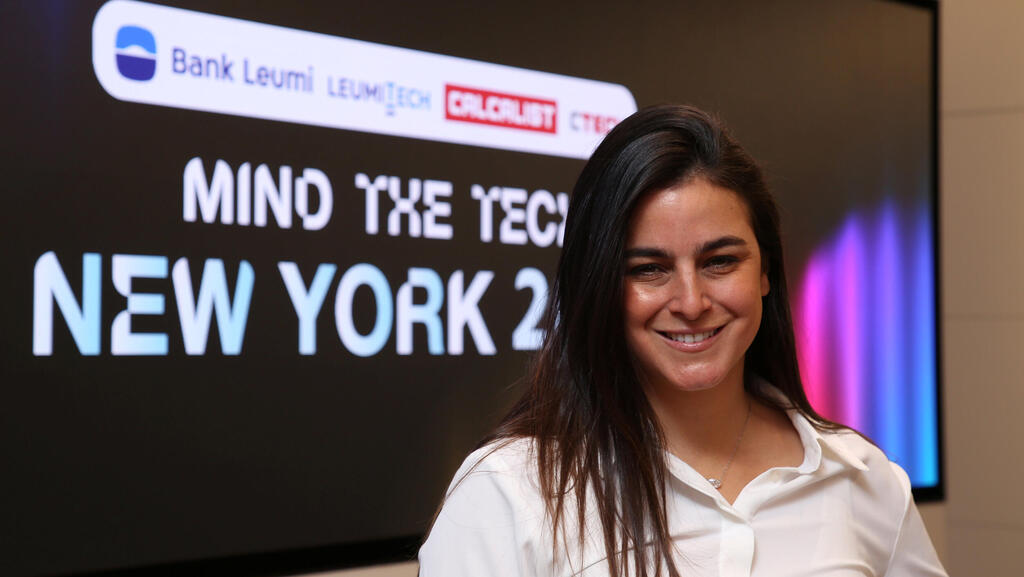
Alta
Year founded: 2023
Founders: Stav Levi Neumark, Mor Shabtai and Tom Hoffen
Employees: 40
Funding: $28 million
Investors: Entrée Capital, IN Venture, Mindset, Target Global, Skywell and Verissimo
Sector: Sales technology
Alta has developed an AI agent-based platform designed to replace or augment traditional sales teams by automating the entire sales value chain. The company operates virtual agents that handle sales, operations and phone-based customer interactions.
Alta trained a language model specifically for the sales industry, enabling its AI agents to conduct complex conversations, respond to objections and perform in-depth research on potential customers before making contact. The system integrates with more than 50 enterprise platforms, including Salesforce, HubSpot, WhatsApp and LinkedIn, allowing companies to manage multi-channel communication from a single platform.
The company said clients have reported a threefold increase in booked meetings and savings of roughly 20 working hours per salesperson each week.
“It took us seven months to get to our first $1 million, four months to another $1M and last month we added $1M in new ARR,” said Levi Neumark. “We are building a product that large enterprises want.
“Our mission is to enable go-to-market teams to access next-generation tools. Companies don’t just want a brain, they want an agent that can actually do the work.”

Dig
Year founded: 2021
Founders: Ofer Familier, Eyal Koren and Adi Paz
Employees: 60
Funding: $22 million
Investors: New Era Capital Partners, Osage Venture Partners
Sector: Social media analytics
Dig develops technology that enables companies to monitor, understand and manage their brand reputation across social video platforms. The company says its system can identify and analyze more than 90% of video content with 93% accuracy while maintaining full source tracking.
The platform decodes speech, visual signals and trends in real time, providing marketing and brand teams with tools to monitor public sentiment, identify narratives, mitigate reputational risks and capitalize on emerging trends.
“Two days after October 7, 2023, we used our technology in every way we could to help the country, and we saw a gap between reality and perception,” said Familier. “We realized this wasn’t only a problem for countries, but also for brands investing enormous resources. The conversation today is happening primarily through video, not text.”
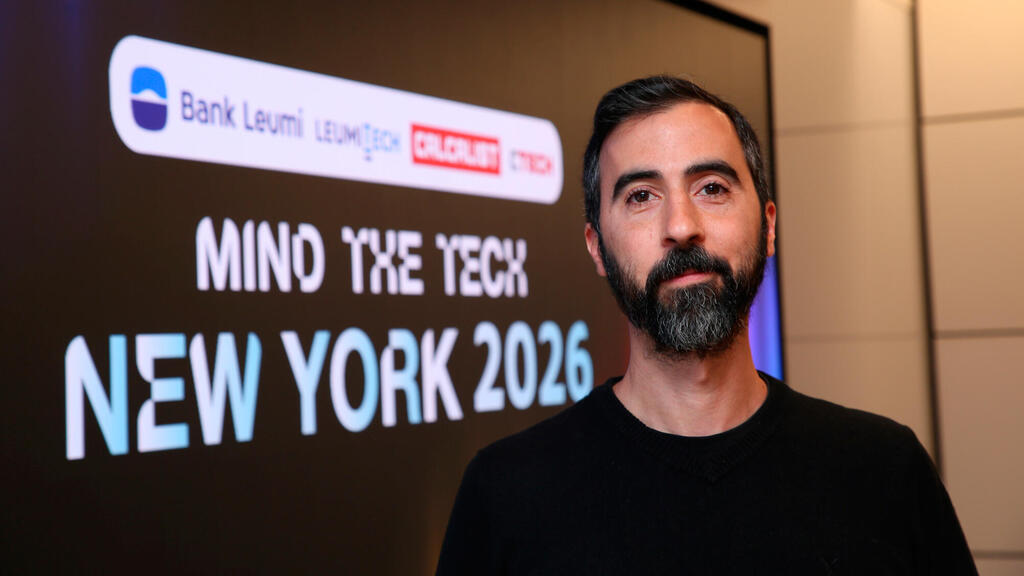
Groundcover
Year founded: 2021
Founders: Shahar Azulay and Yechezkel Rabinovich
Employees: 85
Funding: $60 million
Investors: Zeev Ventures, Angular Ventures, Heavybit Industries and Jibe Ventures
Sector: Cloud infrastructure monitoring
Groundcover develops a monitoring platform for applications and cloud infrastructure. Unlike many competitors that require customers to transfer data externally, Groundcover remotely accesses and monitors enterprise systems.
The company argues that this model improves security and reduces costs, although it also requires customers to adopt a less conventional approach to infrastructure monitoring.
“Monitoring is one of the most resource-intensive functions for companies,” said Azulay. “We built a system where customers don’t have to choose whether or not to retain their information.”
Lumana
Year founded: 2022
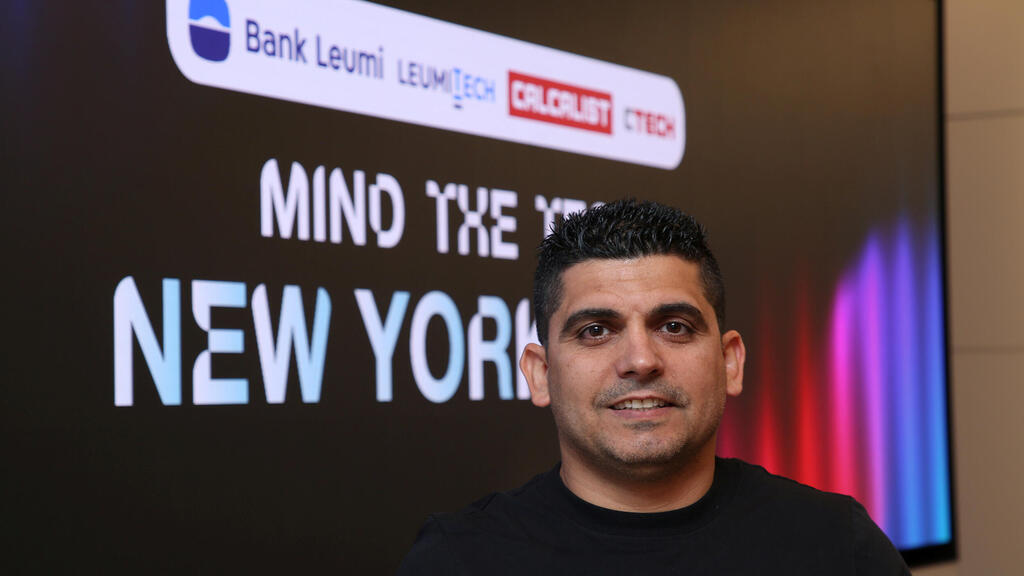
Founder: Sagi Ben Moshe
Employees: 70
Funding: $64 million
Investors: S Capital, Norwest and Wing
Sector: AI-powered video security
Lumana has developed an end-to-end AI-powered video security platform that works with existing cameras and converts raw video into real-time operational insights.
The company says its system is powered by what it describes as the world’s first continuously learning AI model for video analysis, enabling cameras to function as AI agents that automate monitoring, investigations and operational responses.
Ben Moshe argues that real-time video analysis turns previously unused data into actionable intelligence for businesses and public authorities.
“Video data is not properly monitored or analyzed,” said Ben Moshe. “We realized a new architecture was needed, built with AI from the ground up for the AI era. The system processes billions of images every day. We automatically understand and analyze video quickly, collecting multiple layers of information to create a unified layer of intelligence for the physical world.”
Matia
Year founded: 2023
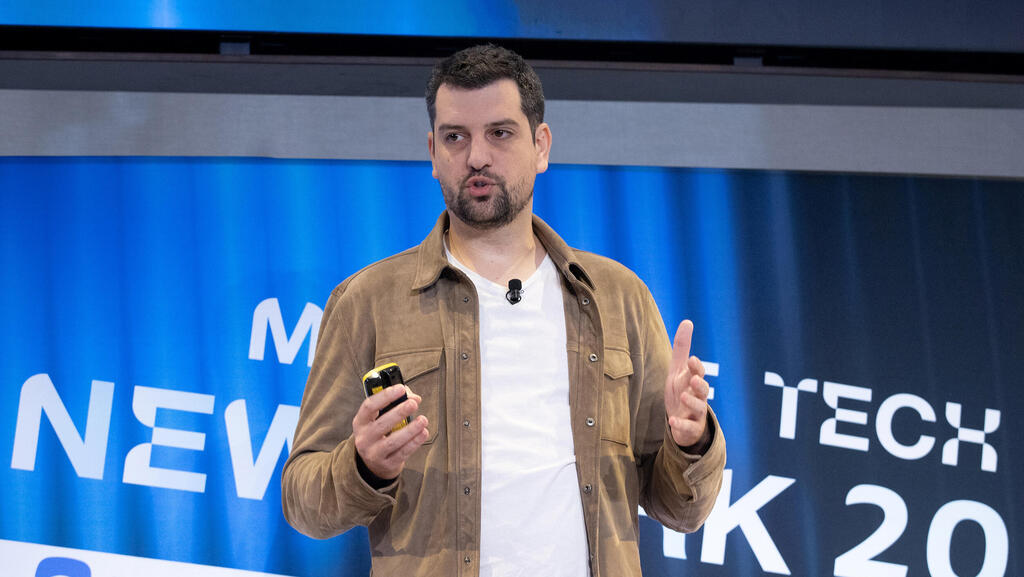
Founders: Benjamin Segal and Geva Segal
Employees: 40
Funding: $31 million
Investors: Red Dot Capital Partners, Leaders Fund, Secret Chord Ventures, Cerca Partners, Caffeinated Capital and VelocityX
Sector: Data infrastructure and AI
Matia, a DataOps platform built for the AI era, develops systems that help organizations organize and manage large volumes of data from multiple sources.
The platform centralizes information, monitors data quality, identifies problems in real time and enables controlled data transfers across departments without requiring multiple disconnected tools. Customers include Ramp, Drata, HoneyBook and Lemonade.
“We know how to turn AI into real infrastructure,” said Segal. “We work with leading companies and are helping drive AI adoption. It’s not only about pricing, it’s about building a solid data foundation. We’re growing 10x every year while operating with a very small team.
“We don’t talk about the future of data, we create it.”
Notch
Year founded: 2021
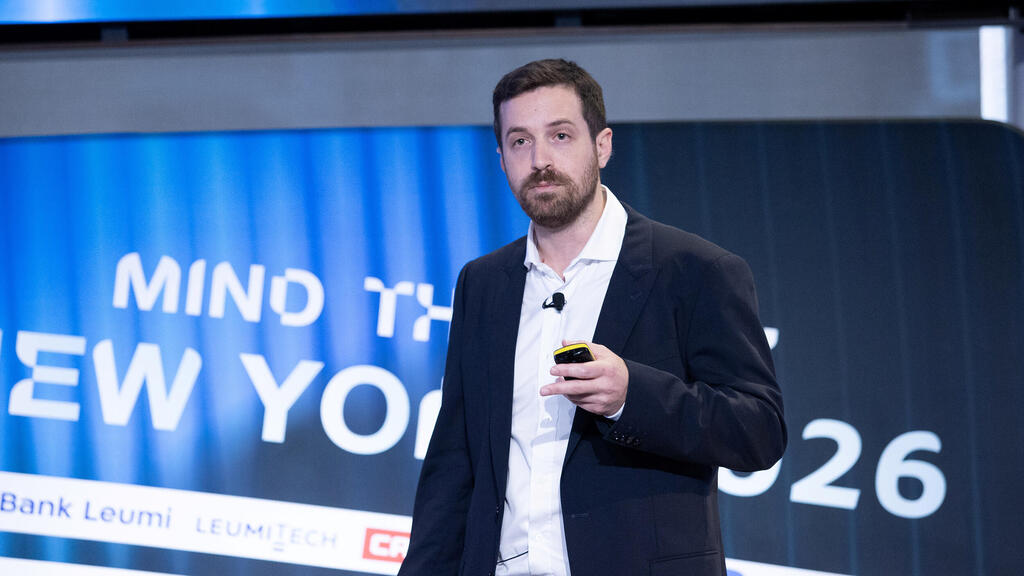
Founders: Rafael Broshi, Yuval Peled and Elool Jacoby
Employees: 50
Funding: $45 million
Investors: Headline, Lightspeed, Illuminate Financial, Jibe, Phoenix and Munich Re Ventures
Sector: AI automation
Notch is building autonomous AI agents designed to manage complete business processes rather than simply answer questions. The company focuses on heavily regulated industries such as insurance and banking.
Its AI agents communicate across phone calls, WhatsApp, email and enterprise systems, helping companies process claims, collect documents and update core systems automatically.
“We believe every process in regulated industries such as insurance and banking should be supervised and managed,” said Broschi. “That’s why we built a system specifically designed for highly regulated environments. We started in insurance and developed the product alongside a major insurance company. We lived the world of regulation ourselves.”
Orchid Security
Year founded: 2023
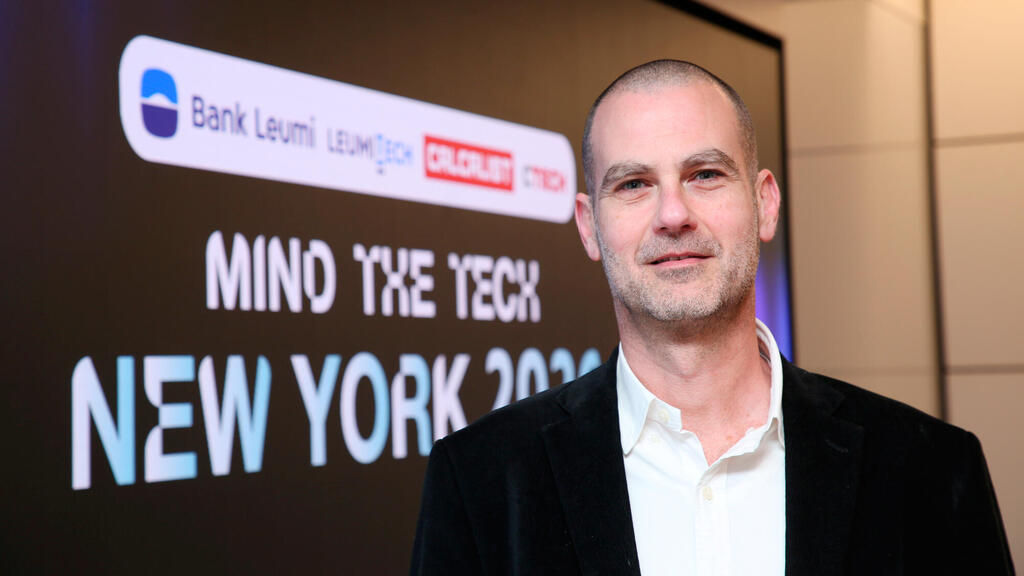
Founders: Roy Katmor, Robert Wiseman and Ido Kelson
Employees: 69
Funding: $36 million
Investors: Team8, Intel Capital, Capital One and K5 Global
Sector: Cybersecurity
Orchid Security develops identity security technology designed to synchronize enterprise applications with identity management systems.
The platform automatically identifies applications deployed across cloud, SaaS and on-premises environments, maps identity processes and flags weaknesses against security policies.
“The growing number of systems and integrations creates countless opportunities for attackers,” said Katmor. “AI agents are already exploiting this dark world.”
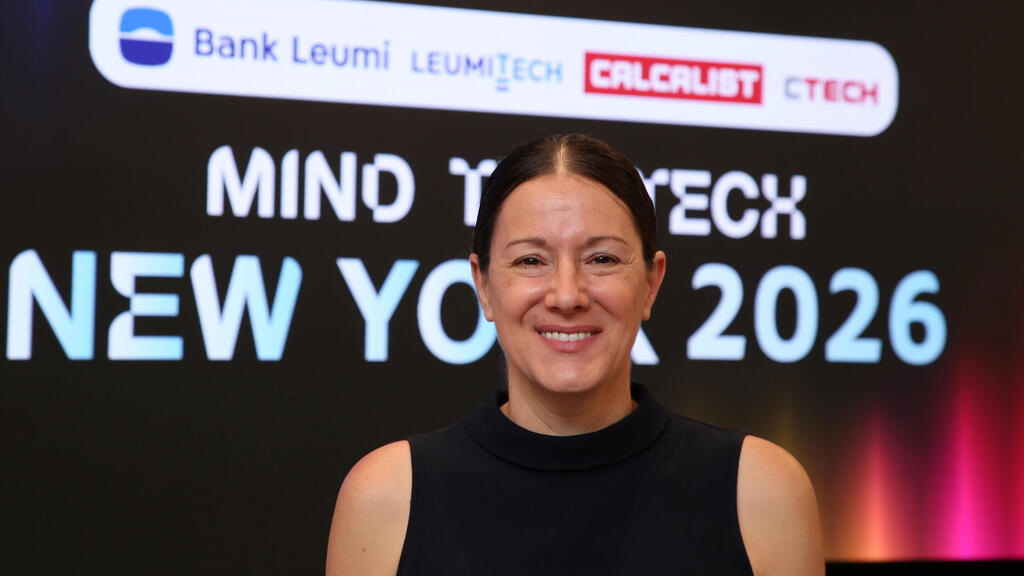
Remepy
Year founded: 2022
Founders: Dr. Michal Tsur, Or Shoval, Prof. Amir Amedi and Eran Etam
Employees: 50
Funding: $26 million
Investors: NFX, Vine Ventures, Tech-Aviv, Fresh Fund and Key1 Capital
Sector: Digital health
Remepy is developing what it calls “hybrid medicines,” combining pharmaceuticals with digital clinical protocols that include cognitive, psychological and motor interventions.
The company works with pharmaceutical groups to combine traditional drugs with app-based treatment systems aimed at improving outcomes and personalizing care.
“I decided to bring technology into healthcare to improve how treatment is delivered to each patient,” said Dr. Tsur. “Everyone understands that most medical treatments involve combinations of therapies. A hybrid drug combines all of these elements into a more complete solution for patients.
“The FDA has been very supportive of our models and sees significant progress and encouraging results in our trials.”
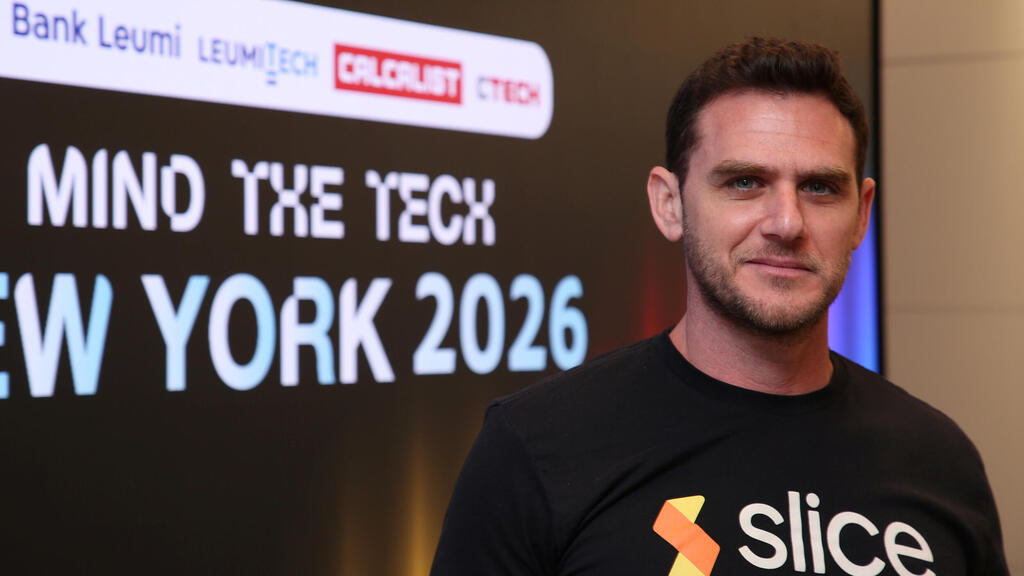
Slice
Year founded: 2022
Founders: Maor Levran, Yoel Amir and Samuel Amar
Employees: 35
Funding: $32 million
Investors: Insight Partners, Fenwick and Cooley LLP, TLV Partners, R-Squared Ventures and Jibe Ventures
Sector: Fintech
Slice has developed an AI platform designed to automate complex equity management processes traditionally handled by accountants and legal advisers.
The system manages cap tables, employee stock options, exercises, compliance reporting and liquidity events while adapting to tax and regulatory requirements across multiple countries.
“When a company expands globally, complexity increases rapidly,” said Levran. “Every employee may hold equity in a different jurisdiction, and the laws are different everywhere. Mistakes can cost companies billions of dollars.
“We built the company to navigate this highly complex regulatory environment.”
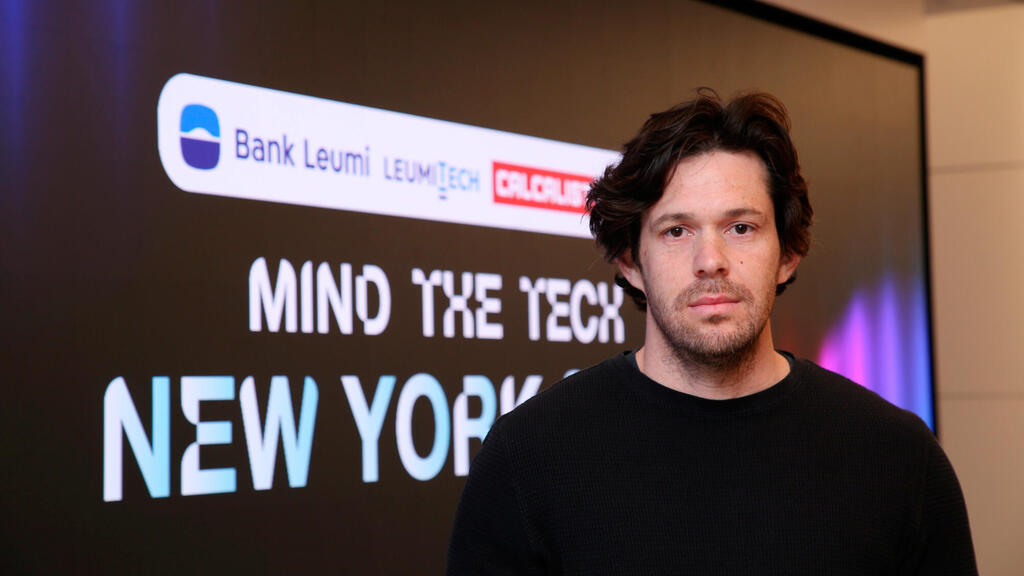
Twofold
Year founded: 2024
Founders: Gal Steinberg, Elad Maymon and Michael Tzach
Employees: 3
Funding: $1 million
Investors: Shai Wininger, Amos Peled, Yael Adam and Chemi Peres
Sector: Healthcare AI
Twofold develops an AI layer that integrates with legacy healthcare software used by clinics and smaller healthcare organizations.
Rather than replacing existing systems, the company adds AI-powered functionality for doctors, psychologists, nurses and other healthcare professionals.
“We are changing the clinical world in the United States,” said Steinberg. “We are only a year and a half old, already generating millions of dollars in revenue and serving 4,000 customers.
“We have only three employees. We’re not replacing the software, we’re adding an AI layer that allows clinics to work smarter. We now have 200 AI agents working for us.”
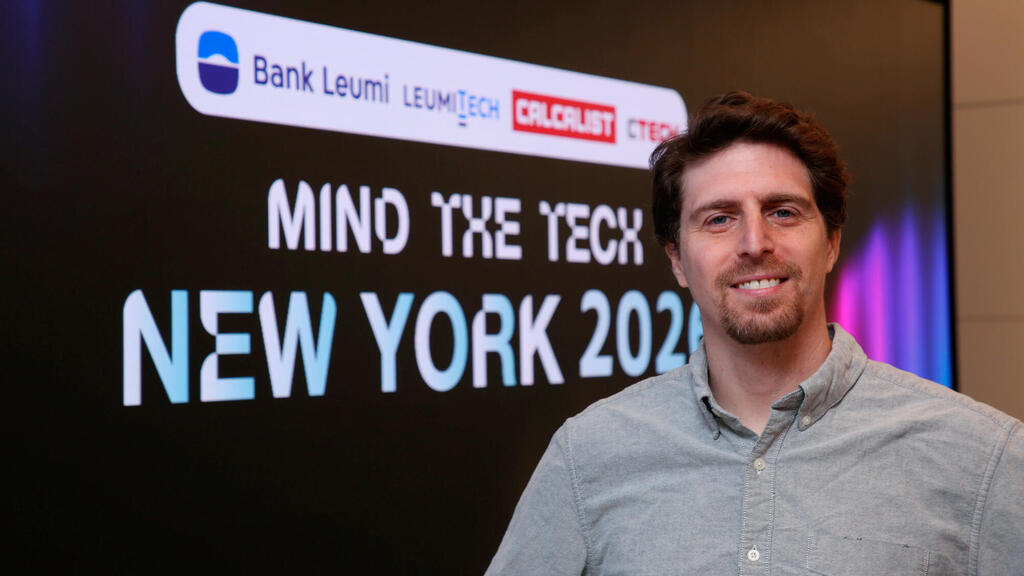
QuantHealth
Year founded: 2020
Founders: Orr Inbar and Arnon Horev
Employees: 78
Funding: $30 million
Investors: Accenture Ventures, Bertelsmann, Pitango and Sanofi Ventures
Sector: Digital health
QuantHealth uses AI to simulate clinical trials in an effort to improve drug development success rates and reduce costs.
Its system is trained on a database that includes 350 million patient files, biological data on tens of thousands of drugs, information from clinical trials, scientific papers and FDA submissions.
“Clinical trials take a decade and cost billions of dollars, and most ultimately fail,” said Inbar. “We are trying to change the rules by improving success rates, shortening timelines and helping pharmaceutical companies develop better products. We expect revenues of $200 million by 2030.”



