










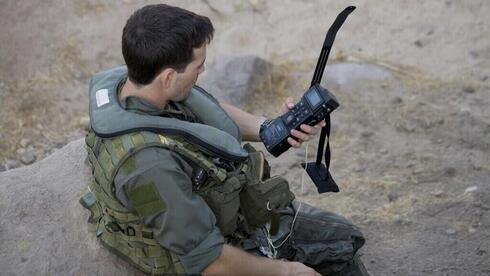
The device that kept the downed F-15E navigator alive
The Combat Survivor Evader Locator enabled secure, real-time tracking behind enemy lines.
The successful rescue of a U.S. F-15E Strike Eagle navigator over southwestern Iran highlighted one of the most advanced tools in modern combat search and rescue: the Combat Survivor Evader Locator (CSEL).
Manufactured by Boeing, the CSEL is a compact, 800-gram device integrated into a pilot’s survival vest. It remains attached after ejection, continuously transmitting encrypted location data and preloaded messages such as “injured” or “ready for extraction.” These signals use rapid frequency hopping and ultra-short bursts, making detection by enemy electronic warfare systems extremely difficult.
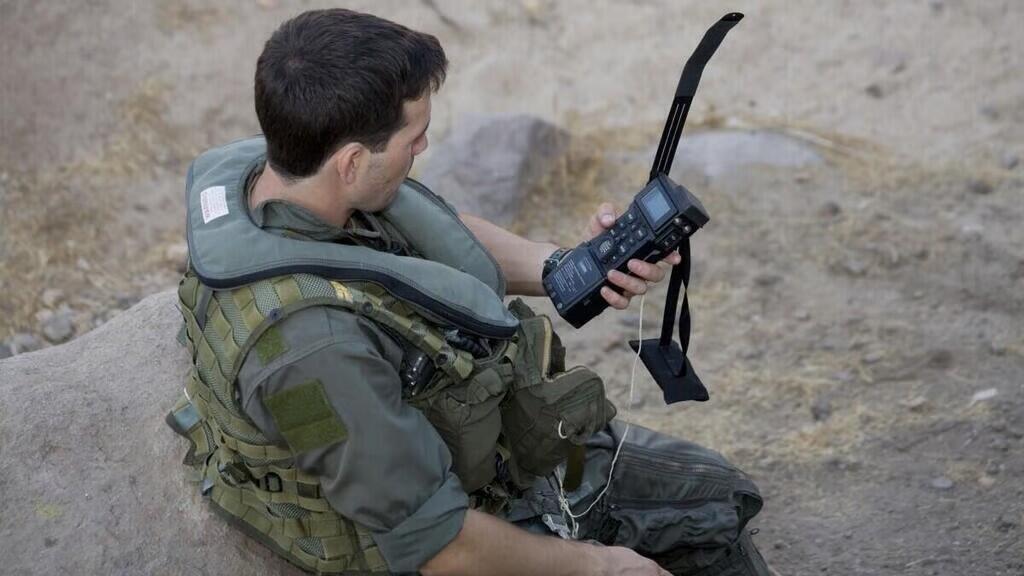
Designed for durability, the CSEL can function after submersion in water up to 10 meters and has a standby battery life of up to 21 days. Its interface allows operation in darkness, under pressure, and while wearing flight gloves. The device supports line-of-sight communication through an external antenna and satellite communication via an internal antenna, with an emergency button for unencrypted distress signals as a last resort.
In the recent operation, the navigator relied on preloaded safe zones and transmitted encrypted updates every few hours to avoid detection. Only when rescue helicopters approached did the CSEL switch to a mode that allowed the aircraft to lock onto his precise location. Military satellites relayed the data to global command centers, which could access the pilot’s identity, medical information, and authentication codes.
Even in cases of complete communication disruption, the CSEL can store topographic maps and safe locations, guiding pilots like a GPS. According to foreign reports, the Israeli Air Force employs similar systems, with some considered more advanced. Israel’s Unit 669 serves as the domestic equivalent of U.S. Pararescue units, with pilots undergoing rigorous survival and extraction training.



