










Israel gas cutoff exposes deep energy divide between Jordan and Egypt
War-driven disruptions highlight vulnerabilities in cross-border energy dependence.
Since February 28, 2026, the day gas flows from Israel were halted following the start of the campaign against Iran and damage to energy infrastructure, the Middle East has effectively been undergoing a live experiment in energy security. The two countries most affected by the disruption, Jordan and Egypt, have found themselves facing a sudden supply shock. Yet as the weeks pass, it is becoming clear that their starting points and ability to absorb the blow are fundamentally different. While Amman relies on a backup system carefully built over a decade, Cairo is grappling with a multidimensional crisis in which electricity shortages, foreign currency constraints, and declining domestic production combine into a tangible threat to economic and social stability.
For the Hashemite Kingdom, the impact is amplified by its deep reliance on natural gas for electricity generation. According to 2024 figures from Jordan’s National Electric Power Company (NEPCO), the kingdom’s power plants consumed about 344 million cubic feet of gas per day (MMcf/d), making natural gas the source of 68% of electricity generation. With more than half of that supply dependent on Israeli gas, the halt at the end of February should, in theory, have plunged the country into a severe energy crisis.
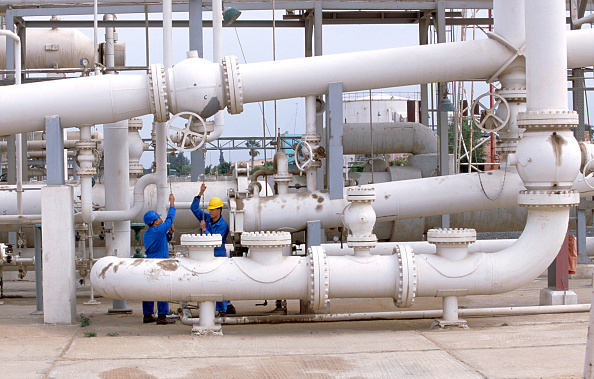
However, Jordan has demonstrated disciplined crisis management. The key lies in the liquefied natural gas (LNG) import terminal in Aqaba, the Sheikh Sabah terminal. The floating storage and regasification unit (FSRU) stationed there enables the kingdom to import LNG from global markets and feed it into the national grid at short notice. Measures announced by Energy Minister Saleh Al-Kharabshah reflect a coordinated response: shifting parts of the power sector to fuel oil and diesel, drawing on strategic reserves that remain intact, and ensuring continued LNG deliveries, with cargoes arriving throughout March and expected in April.
This resilience, however, comes at a significant cost. Jordan is paying a premium for energy independence. Spot gas prices have surged from around $7 to approximately $25 per million BTU, translating into an additional burden of roughly $4 million per day on the state budget. On a monthly basis, this amounts to about $120 million, a substantial strain, particularly as revenues from tourism and logistics decline amid regional tensions. The industrial sector is also under pressure, with factories forced to switch fuels reporting production cost increases of up to 40%, undermining export competitiveness.
As part of its long-term response, Jordan is accelerating development of the Ar-Risha gas field in the country’s east. While current production, around 2.5 million cubic feet per day, is negligible compared to national demand, the target of 20 million cubic feet per day signals a strategic shift: reducing dependence on cross-border pipelines in favor of domestic resources.
Egypt Is Caught in a Perfect Storm
Across the border, the situation in Egypt is significantly more severe. The country entered the current crisis already under economic and energy strain. Domestic gas production, which once positioned Egypt as a major exporter, has been in steady decline, from 49.37 billion cubic meters in 2024 to just 42.34 billion cubic meters in 2025. The deterioration of major Mediterranean fields, led by Zohr, which has faced technical challenges such as water intrusion, has made Israeli gas a critical component of Egypt’s electricity system.
The scale of dependency is clear: in January 2026 alone, Egypt imported 802 million cubic meters of gas from Israel, a substantial share of supply for an electricity sector that is 82% gas-dependent. When flows stopped, the shortage was immediate. Prime Minister Mostafa Madbouly’s response has been more aggressive than Jordan’s, reflecting the urgency of the situation. Egypt’s monthly energy import bill has surged from $560 million to $1.65 billion, placing immense pressure on foreign currency reserves and raising the risk of payment default.
To avoid a return to widespread blackouts, the government has implemented strict demand-side measures. Shops and malls are closing at 9 p.m., street lighting has been reduced, and government offices are shutting earlier. These steps are not only economic but also political, signaling to the public that the state is conserving every kilowatt.
Cairo has also accelerated repayment of debts to foreign energy companies. Outstanding liabilities have fallen from $6.1 billion in 2024 to $1.3 billion today, in an effort to encourage firms such as ENI and BP to continue investing in exploration. However, amid the war with Iran and heightened regional risk, new investments appear increasingly uncertain. Even Egypt’s agreement with Qatar to supply 24 LNG cargoes is under threat after QatarEnergy declared force majeure following damage to its Gulf facilities.
Three Strategic Conclusions
The crisis yields three key conclusions for the future of energy in the Middle East. First, Jordan’s LNG infrastructure has proven to be a critical strategic asset. Despite its cost, it has enabled the country to maintain grid stability and avoid social disruption.
Second, Egypt’s vulnerability underscores the risks of overreliance on a single external supplier. Without reversing the decline in domestic production, Egypt will remain exposed to volatile global LNG markets, with long-term implications for industrial growth.
The broader implication is a weakening of the vision for a regional gas hub based on Israeli-Arab cooperation. In times of multi-front conflict, pipelines become either military targets or geopolitical leverage points. As a result, countries may increasingly prioritize investment in renewable energy and domestic production, even at higher short-term costs.
Looking ahead, the real test will arrive in the summer of 2026. If the conflict with Iran continues into the hotter months, electricity demand in both Egypt and Jordan could rise by 30%-40% due to air conditioning needs. Jordan may face a choice between raising tariffs and expanding its fiscal deficit, while Egypt risks widespread industrial shutdowns that could weigh on GDP growth for years.
While Jordan has managed to maintain relative stability through preparation and investment, Egypt is effectively buying time through emergency measures. Both countries are now confronting the same reality: without Israeli gas, they must rapidly redesign their energy systems under conditions of ongoing conflict.



