










Instacart acquires Israeli AI startup Arpalus to bring real-time shelf intelligence to supermarkets
The grocery technology giant’s first Israeli acquisition will allow its 600,000 shoppers to scan store shelves and create live inventory maps using computer vision.
The American grocery technology giant Instacart is acquiring Israeli startup Arpalus, which develops artificial intelligence and computer vision technology designed to provide real-time visibility into supermarket shelves. The value of the transaction was not disclosed, but according to Calcalist’s estimate, it is in the tens of millions of dollars. The deal marks Instacart’s first acquisition of an Israeli company.
Arpalus’ technology addresses one of the biggest challenges facing online grocery shopping: the gap between what retailers show as available digitally and what is actually sitting on store shelves. Missing or inaccurate inventory information is a major source of customer frustration, leading to product substitutions, cancelled orders and declining trust in online grocery platforms.
Founded in 2019 by Ofir Zilberberg, who serves as CEO and previously worked at the Israeli Air Force and Elbit Systems, and Dr. Rotem Bennet, a computer vision expert and former Microsoft Research employee who has since left the company, Arpalus developed AI models that analyze supermarket shelves in real time. The company emerged from the Nielsen Innovate incubator, is headquartered in Netanya and employs approximately 20 people.
Arpalus has raised around $5 million since its founding from investors including the Israel Innovation Authority, True Global Ventures, Duo Partners Fund, Techstars Accelerator, Noam Lanir, the American Playhouse fund and private investors from the retail industry.
The company’s technology converts a short video scan of a store shelf into a digital view of available products. Built specifically for the difficult conditions of grocery retail, including changing lighting, unreliable Wi-Fi connections and thousands of similar-looking products packed tightly together, Arpalus says its system can identify individual items with more than 95% accuracy on average.
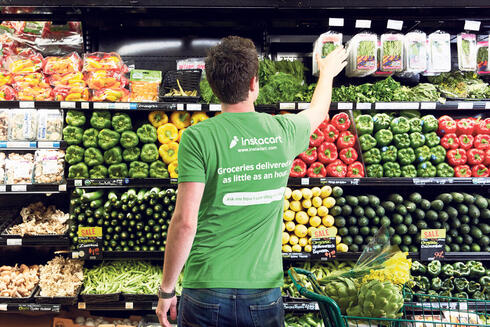
The technology runs on standard smartphones and other camera-equipped devices. Following the acquisition, Instacart plans to use its network of approximately 600,000 shoppers to generate shelf intelligence at scale. While completing customer orders, shoppers will be able to scan shelves through the Instacart app, creating a more accurate and continuously updated picture of product availability.
The data will be integrated into Instacart’s broader retail technology platform, improving the accuracy of online grocery orders while also supporting in-store solutions such as smart carts and computer vision tools.
Instacart said Arpalus’ technology will complement its existing retail intelligence infrastructure, which is built on more than 1.6 billion lifetime orders, real-time inventory information from nearly 100,000 stores across North America and more than 10 million daily data points generated from shopper activity.
The acquisition is part of Instacart’s broader shift from a grocery delivery marketplace into a retail technology company focused on artificial intelligence, data and automation. The company has invested in technologies designed to connect physical stores with digital commerce, including its Caper smart carts and Store View, a computer vision product that helps retailers monitor shelf availability.
Founded in 2012 and headquartered in San Francisco, Instacart went public on Nasdaq in 2023 and currently has a market value of approximately $11 billion. The company connects roughly 1,800 retail chains, hundreds of thousands of shoppers and consumers across the US and Canada.
In recent years, Instacart has expanded beyond delivery through its digital advertising business, which generates more than $1 billion annually, as well as investments in AI-powered tools aimed at helping retailers better understand customers and manage physical stores.



