










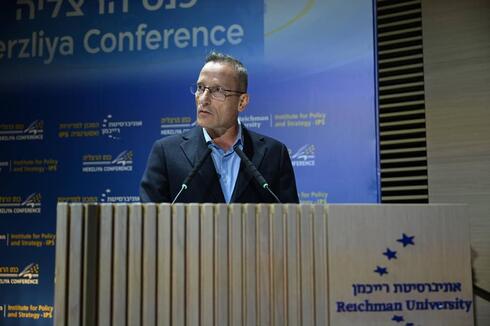
“Israel’s long-term force buildup is dangerously lagging behind”
Defense Ministry Director General Amir Baram argues Israel cannot afford delays in defense investment.
The budgetary dispute between the Defense Ministry and the Finance Ministry over an additional increase of tens of billions of shekels in the defense budget continues. While the National Security Council (NSC) is attempting to mediate between the parties, Defense Ministry Director General Amir Baram warned on Wednesday at the Herzliya conference that, while Iran is investing vast sums in military buildup, “we are following a bureaucratic, reckless path that lacks strategy, implementation, and proper industrial and managerial execution.”
According to Baram, Iran’s investment in expanding its military capabilities by the end of this year is comparable to Israel’s force-building plan over an entire decade. “Israel’s long-term force buildup is dangerously lagging behind. The budget division at the Treasury, which treats the implications of wartime reality as a ‘passing accounting event,’ is undermining the government’s ability to implement decisions that have already been made,” he said.
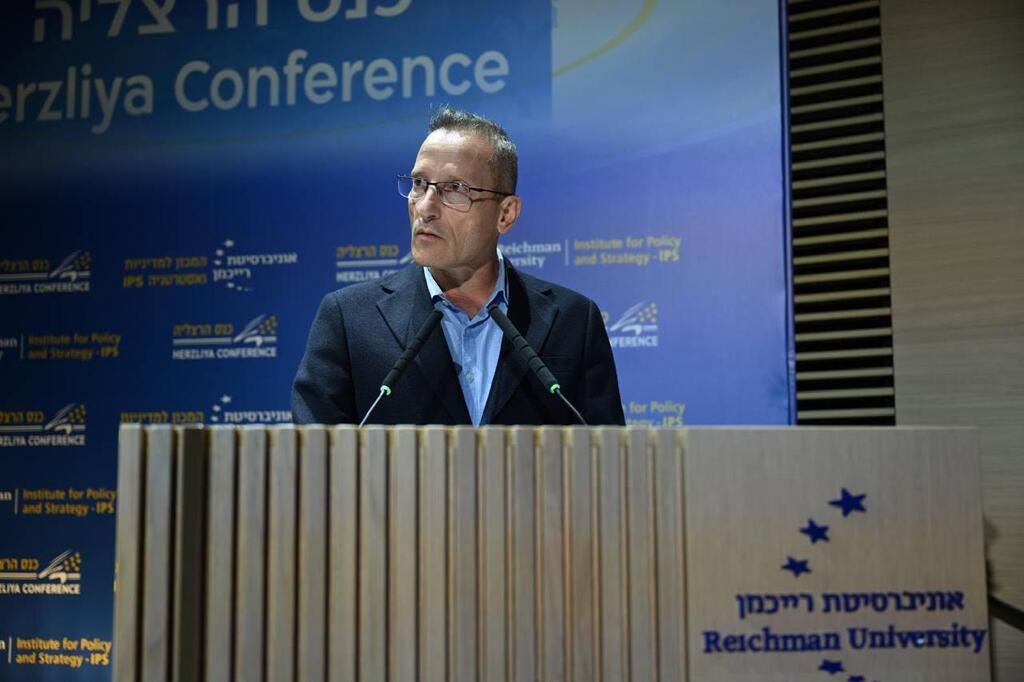
He added: “The debate with the Finance Ministry is not about the state coffers, and it is certainly not personal. It is a conceptual debate about risk management, but also about understanding the complex geopolitical reality and the nature of modern warfare.”
The current defense budget stands at NIS 143 billion, and an ongoing dispute has emerged between the Defense Ministry and the Finance Ministry over a demand to immediately increase it by approximately NIS 40 billion. The defense establishment argues that a budget of NIS 183-188 billion is required for the IDF to fully carry out the tasks assigned by the political echelon, including maintaining security zones in Lebanon, Gaza, and Syria.
Baram also called for the immediate implementation of a long-term force-building plan totaling NIS 350 billion over the coming decade, previously announced by Prime Minister Benjamin Netanyahu and Defense Minister Israel Katz. This amount is intended to be added to the defense budget baseline and enable accelerated procurement and modernization of IDF systems.
“We are talking about interceptors, offensive weapons, intelligence capabilities for shifting arenas, restoring systems that have been eroded on land and in the air, and ensuring operational continuity,” Baram said. “The plans are ready, but they are not free. Force building on this scale cannot be executed without long-term budget certainty.”
He also warned against the Finance Ministry’s refusal to fund billions of shekels for reforming the Rehabilitation Division and transforming it into a national rehabilitation authority under the Defense Ministry, in line with recommendations of a professional committee headed by former National Insurance Institute Director General Prof. Shlomo Mor-Yosef.
According to Baram: “Israeli society, which cherishes its heroes and defenders, will not accept gaps on this issue. It is impossible to allow the rehabilitation system to collapse.”
Earlier this week, Calcalist revealed that the NSC has drafted a plan to regulate an increase in the defense budget for 2026 of approximately NIS 40 billion, to be implemented in several installments through the end of the year. However, the plan has not yet been approved, and according to estimates, the Prime Minister is expected to convene the relevant parties in the coming days in an attempt to resolve the dispute.
The Finance Ministry stated: “The Ministry of Finance has already transferred all necessary funding for defense needs. The current defense budget is unprecedented in scope and stands at approximately NIS 143 billion, following additions of tens of billions recently approved by the government and the Knesset. These claims raise serious and troubling questions regarding the ability to manage the defense budget by those responsible for it.
“The defense establishment’s consistent refusal to implement basic oversight and transparency procedures directly harms the Israeli public, which bears the burden of tax increases and cuts to essential civilian services such as education, health, and welfare. The ongoing demands place a heavy and continuous burden on citizens and on the state’s economy.”



