










Five weeks in, Israel’s war costs near $15 billion
Prolonged fighting reshapes defense spending and strains the 2026 budget.
The Roaring Lion war, initially framed as an effort to topple the Iranian regime but increasingly resembling another prolonged round of fighting, has entered its sixth week.
The fact that this is a round rather than a decisive, final war carries two major economic implications. First, for the defense budget: while early expectations suggested the conflict might lead to a reduction in long-term defense spending, the opposite now appears more likely. Israel will need to prepare for repeated rounds of this kind, pushing defense expenditure higher.
Second, the current conflict is setting a new benchmark for duration. At 38 days, it has already lasted three times longer than previous rounds and now accounts for roughly 10% of the year. Such prolonged campaigns are extremely costly.
The defense establishment has so far requested approximately NIS 39 billion (about $12.5 billion) for the war. While this figure is meant to cover ongoing operations, past experience suggests additional budget demands are likely, meaning the total could rise further in 2026.
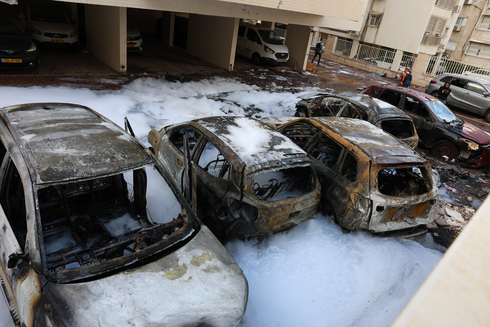
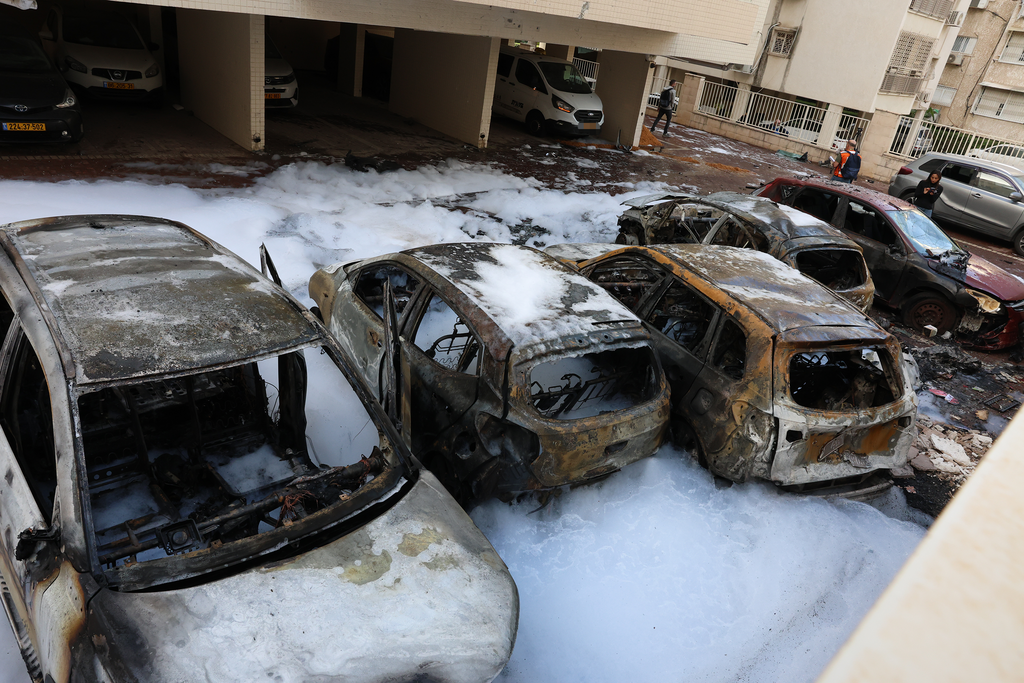
Alongside defense spending, civilian costs are steadily climbing. The most visible component is compensation for property damage. The Tax Authority has received around 26,000 claims, estimated at between NIS 1 billion and NIS 1.5 billion ($320-$480 million). While significant, these costs are not the primary fiscal burden. They are expected to be covered by the property tax compensation fund, which held about NIS 10 billion ($3.2 billion) at the end of January 2026, though most of it is already committed to existing claims.
The larger burden comes from the government’s “business continuity” compensation plan, which provides grants to companies experiencing revenue declines due to the war. The program is not intended to fully compensate losses but to prevent business collapse. Even so, it is expensive: the 12-day Rising Lion operation against Iran last June cost about NIS 3 billion ($960 million), and total costs are now estimated to approach NIS 6.5 billion ($2.1 billion).
Additional costs include wage payments for employees placed on unpaid leave, funded through National Insurance, estimated at around NIS 500 million ($160 million).
In total, civilian war-related spending has exceeded NIS 8 billion ($2.6 billion). Combined with defense spending, the overall cost of the war has reached approximately NIS 47 billion ($15 billion).
At first glance, the scale of compensation may seem surprising, given that much of the economy has resumed activity. However, many businesses are still operating below capacity. Some have even chosen to limit activity deliberately to qualify for compensation, which requires demonstrating at least a 25% drop in revenue. Business owners report closing temporarily or delaying income recognition to meet eligibility thresholds.
Even before the war, private consumption had begun to slow, meaning revenues in 2026 might have declined regardless. Against this backdrop, the compensation framework creates incentives that may discourage a full return to normal activity.
For now, the government appears reluctant to expand the program further, not only to protect public finances, but also to avoid reinforcing these incentives.
The state budget includes a reserve of NIS 5.8 billion ($1.85 billion) for civilian war-related needs, but current spending levels suggest that buffer is already under pressure. A prolonged conflict could force the government to revise the 2026 budget, a move that may be interpreted by markets as a loss of fiscal control.
Officials in the Ministry of Finance acknowledge the risk. “Right now we have a kind of safety margin,” one senior official said, “but it would be better if the war ended quickly.”
Another possible response is increased pressure on the Home Front Command to ease restrictions. Current guidelines significantly limit economic activity, including caps on gatherings and broad restrictions on education. Even a modest relaxation could reduce economic damage and help contain rising costs.
For now, however, the longer the war continues, the more it threatens to strain both the budget and the broader economy.



