










Netanyahu greenlights massive defense funding plan amid war pressures
The agreement injects billions into the Defense Ministry, enables long-term weapons purchases, and postpones a decision on rehabilitation funding despite soaring casualties.
The deep dispute between the Defense and Finance ministries over increasing Israel’s defense budget is on the verge of resolution. Following a meeting with senior officials from both ministries, Prime Minister Benjamin Netanyahu approved an outline formulated by the National Security Council (NSC) to resolve the crisis. The outline was first revealed earlier this week by Calcalist.
Under the plan, the Finance Ministry will immediately transfer approximately NIS 12 billion ($4.0 billion) to the Defense Ministry, followed by an additional NIS 3 billion ($1.0 billion) by the end of the year, on top of the Defense Ministry's NIS 143 billion ($47.7 billion) base budget for 2026. In addition, the Budget Division will allocate up to NIS 25 billion ($8.3 billion) more in two installments, scheduled for October and November, subject to assessments of the IDF's actual operational needs and its compliance with performance targets.
While the Defense Ministry estimates that the IDF's expanding operational commitments will require the full NIS 25 billion ($8.3 billion), the Finance Ministry argues that this estimate is excessive. If the entire amount is ultimately approved, the defense budget could reach at least NIS 183 billion ($61.0 billion) by the end of the year, exceeding the government's approved budget framework.
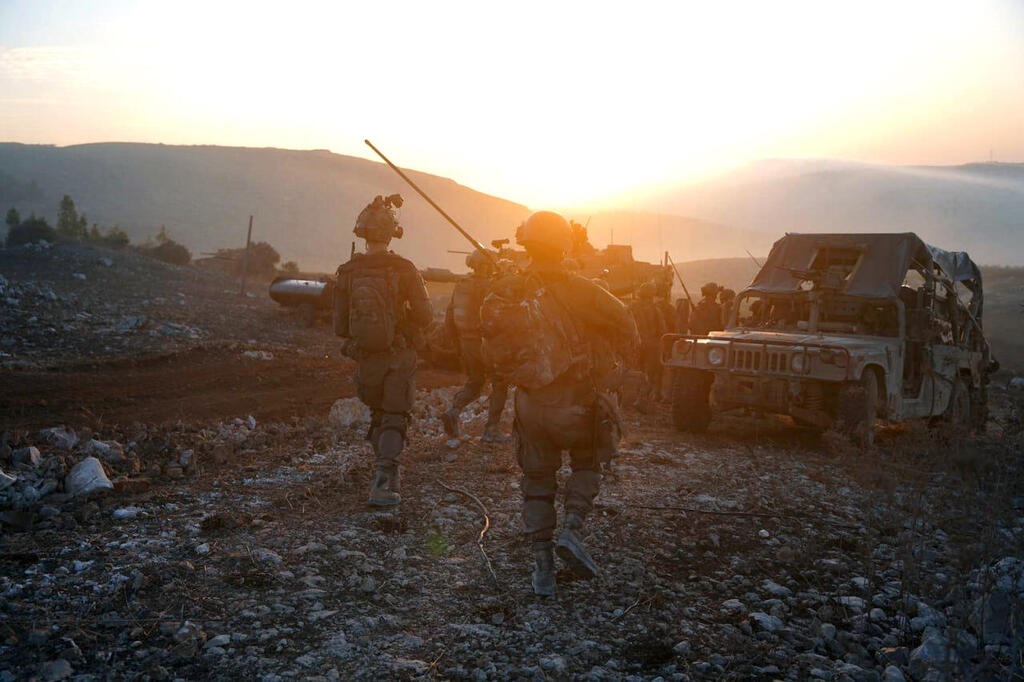
The defense establishment has recently estimated that the IDF's total funding requirement could reach NIS 188 billion ($62.7 billion) by year-end. Defense officials say this figure could decline significantly if the military is able to reduce its reliance on reserve forces. The IDF currently has about 60,000 reservists on active duty, reflecting its extensive missions in security zones in Lebanon, Gaza and Syria, as well as operations in the West Bank and along Israel's borders with Jordan and Egypt.
As part of the agreement, and in line with a proposal by National Security Council chief Shmuel Ben-Ezra, the defense establishment will receive authorization to enter into long-term procurement contracts based on a NIS 350 billion ($116.7 billion) increase to the defense budget base over the coming decade. The authorization to commit will initially be relatively modest, about NIS 3 billion ($1.0 billion) in 2027, rising to approximately NIS 7 billion ($2.3 billion) in 2028. From 2031 through 2039, the annual authorization is expected to reach roughly NIS 25 billion ($8.3 billion), allowing the Defense Ministry to plan major procurement programs over the long term.
While the budget agreement is expected to enable the Defense Ministry to finance urgent weapons purchases and repay roughly NIS 15 billion ($5.0 billion) in debt owed to Israel's major defense companies, Elbit Systems, Israel Aerospace Industries and Rafael, it leaves out funding for the rehabilitation of wounded soldiers and other war casualties.
The Finance Ministry opposed funding a comprehensive reform of the Defense Ministry's Rehabilitation Department, despite the unprecedented number of casualties since the outbreak of the October 7 war, which has now entered its 1,000th day. The reform, recently recommended by a committee headed by Prof. Shlomo Mor-Yosef, calls for transforming the Rehabilitation Department into a national authority under the Defense Ministry with greater operational independence, flexibility and broader powers, with the aim of significantly improving care for wounded service members and all disabled IDF veterans.
According to the committee's recommendations, implementing the reform would cost approximately NIS 2.5 billion ($833 million) in its first year. Thereafter, the rehabilitation budget would need to increase by about NIS 2 billion ($667 million) annually, in addition to its current annual budget of approximately NIS 10.8 billion ($3.6 billion), double its size before the October 7 attack.
Since the war began, more than 26,000 new casualties have entered the Rehabilitation Department's system. By the end of this year, it is expected to be treating approximately 90,000 people, an increase of about 40% in just three years. Even before the budget agreement was finalized, Defense Ministry Director General Amir Baram urged the government to implement the reform immediately, warning that without it the Rehabilitation Department risks collapsing under the growing burden.



