









A new fund wants to turn Israel’s Western Negev into a high-tech hub
Ofir-SouthUp Ventures is targeting $20 million-$30 million to invest in startups that operate in or relocate to the region, betting that the area can attract technology companies as well as capital.
The Ofir-SouthUp Ventures fund, which invests in technology companies operating in the Western Negev or relocating their operations there, is preparing to make its first investments in the near future, Calcalist has learned. The fund is continuing to raise capital from additional investors and is expected to reach approximately $20 million to $30 million.
Investors in the fund include the Kibbutzim Kfar Aza, Yakum and Ma'agan Michael; entrepreneurs Dov Moran, Shlomo Kramer, Yehudit (Dita) and Yehuda Bronicki ; the Zim investment fund; the Jewish Community Foundation San Diego; and other private investors from Israel and abroad. The fund is headed by Dr. Ami Appelbaum and Itai Horstock. Its founding team also includes Shahar Belkin, Gil Schwartzman, Rafi Nevo, attorney Yair Estline and Dr. Yaarit Weinberg.
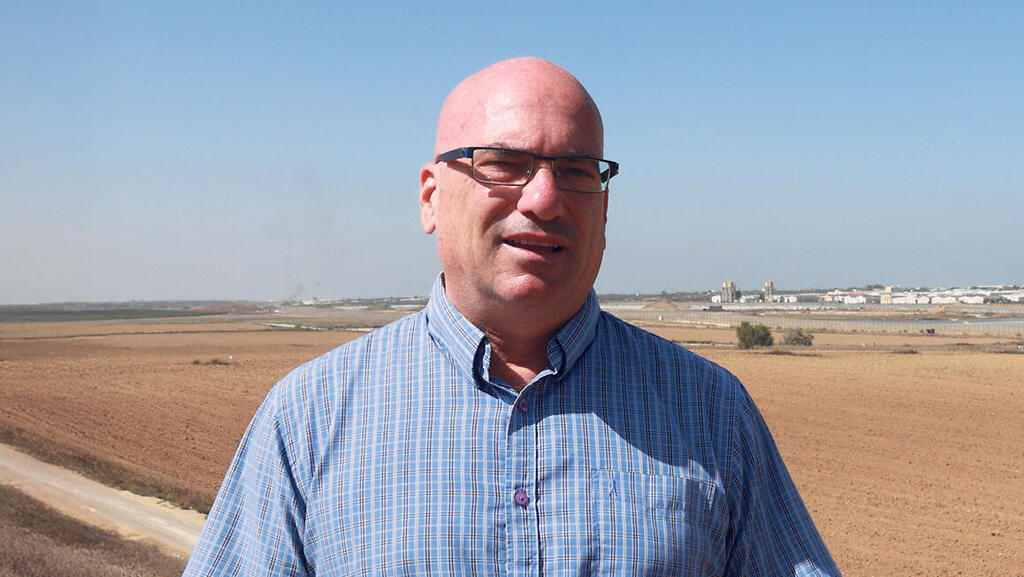
Kfar Aza's participation carries particular significance. The fund is named after the late Ofir Libstein, head of the Sha'ar HaNegev Regional Council and a member of the kibbutz, who was killed on Oct. 7. Kfar Aza was among the communities most severely affected by the attack, and the kibbutz subsequently chose to become a partner in the fund's vision of building an economic and technological base in the region.
The fund was established as the investment arm of the SouthUp incubator, which has operated in Sha'ar HaNegev since 2017. Over the years, the incubator has supported more than 70 startups. A significant share of the companies that grew through the incubator chose to continue operating in the Western Negev, where they now employ hundreds of people in high-tech jobs.
Even before completing its first closing, the fund made its first investment in ZutaCore, which operates in the Sapirim industrial zone in Sha'ar HaNegev and employs more than 140 people. The company develops advanced cooling systems for artificial intelligence chips used in server farms and data centers. It recently completed a Series C funding round of approximately $100 million led by Mitsubishi Electric, Carrier and Samsung.
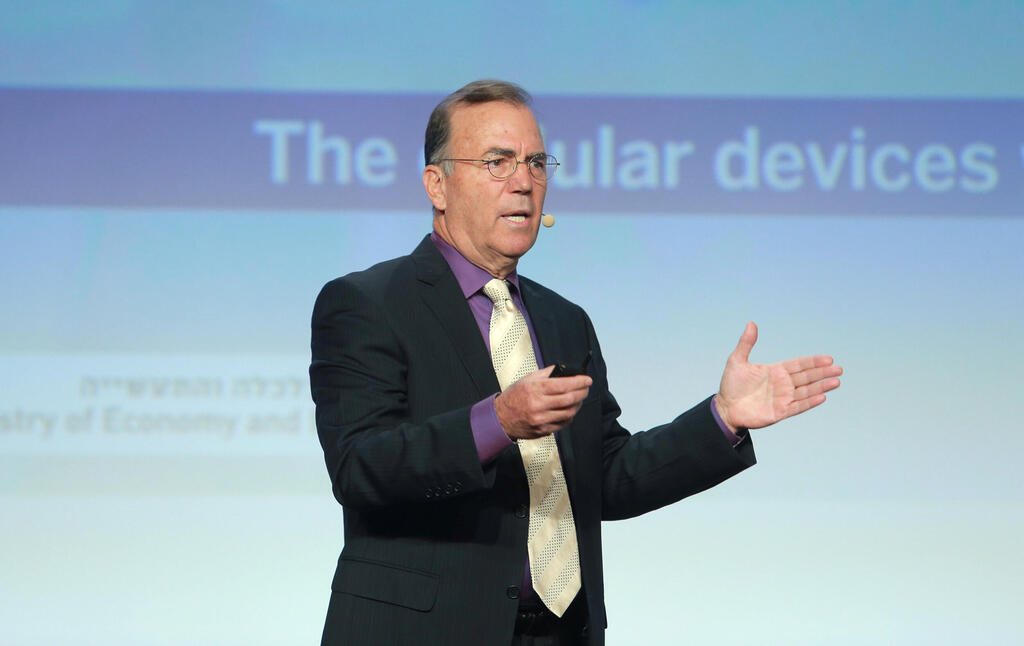
In a conversation with Calcalist, Appelbaum, chairman of the Ofir Foundation and former chairman of the Israel Innovation Authority, said the fund was born directly out of a personal commitment to Libstein and the region.
"I left the Innovation Authority and came to say goodbye to Ofir, who wanted to hire me as a consultant, and two months later he was murdered on Oct. 7," Appelbaum said. "This was Ofir's will. He wanted me to help the region, and he wanted an economic and social leap forward and to create high-productivity jobs. That's what we are striving for."
Applebaum said the fund's investment thesis is intended to go beyond philanthropy or regional development.
"Many good people see our vision and agreed to enter into a deal, while many investors refrain because they do not believe that we are truly here for a business purpose and not just for the sake of developing the Negev," he said. "We have enormous business potential here. Most of the capital currently invested in the Israeli high-tech industry flows to the center of the country. We believe that the Western Negev can and should also become a significant innovation hub."
The fund's strategy therefore ties investment returns to an effort to create a durable technology ecosystem outside Israel's traditional center of gravity. Its model is based on investing in companies that either already operate in the Western Negev or are willing to establish operations there, potentially bringing capital, jobs and technological activity to a region that suffered extensive damage during the war.
At the same time, the SouthUp incubator continues to expand. Today, 27 startups operate within its framework, more than the number of companies based there before Oct. 7.
The region is also preparing for a larger physical technology hub. The OfirTech Park is currently being established in the Sha'ar HaNegev Regional Council. The approximately 3,000-square-meter facility is expected to open in the first quarter of 2027 and is intended to become a hub for dozens of startup companies.
The broader ambition is to turn a region that became synonymous with the devastation of Oct. 7 into a place where technology companies build, hire and grow. The fund's challenge will be to demonstrate that the economic case for doing so can stand on its own.



