










Iron Dome and Iron Beam developer Rafael brings battlefield simulation technology to an entire city
Partnering with In3D and the Sderot Municipality, the defense company is building what it says is the world's first city-scale emergency simulator, allowing rescue forces and decision-makers to rehearse everything from terrorist attacks and war to cyberattacks and natural disasters.
Nearly three years after becoming one of the first Israeli cities overrun during Hamas' October 7, 2023 attack, Sderot is set to become the site of what its developers describe as the world's first city-scale emergency response simulator.
Israeli defense company Rafael and simulation specialist In3D are partnering with the Sderot Municipality to build an immersive training platform that digitally recreates the entire city, allowing emergency responders, municipal officials and security agencies to rehearse complex disaster scenarios before they happen.
The project is scheduled for completion within a year after work began in January 2026. It reflects one of the central lessons Israeli authorities say emerged from October 7: local governments need to be able to make rapid, independent decisions during large-scale emergencies when national systems are under extreme pressure.
Rafael, best known as the developer of the Iron Dome and Iron Beam air defense systems, is leveraging its expertise in military simulation technologies for a civilian resilience project. Together with In3D, the companies aim to create a training environment capable of simulating not only Sderot but, eventually, virtually any urban area.
The simulator will combine virtual reality, artificial intelligence and a 3.5-meter-high LED dome measuring five meters in diameter to immerse participants in realistic emergency scenarios. Users will be able to train for terrorist attacks, wartime events, cyberattacks, natural disasters, hazardous materials incidents, pandemics and major traffic accidents.
Unlike conventional emergency exercises, the system is designed around a digital twin of the city itself. Every street and building will be digitally scanned and modeled, allowing instructors to modify scenarios in real time based on changing intelligence, the location of emergency forces or evolving events during an exercise.
The facility will consist of four interconnected training environments. Two will use virtual reality systems, one will function as a fully equipped emergency operations center with communications and command-and-control systems, and the fourth will house the immersive LED dome. All four will be linked to a central instructor station that can monitor participants' decisions, adjust the scenario as events unfold and conduct detailed debriefings afterward.
Artificial intelligence plays a central role in the system. AI-generated characters will simulate victims suffering from trauma and anxiety, enabling first responders to practice not only operational procedures but also interactions with civilians under extreme psychological stress. The simulator will also incorporate sensors that measure trainees' stress levels throughout an exercise, allowing instructors to analyze performance under pressure.
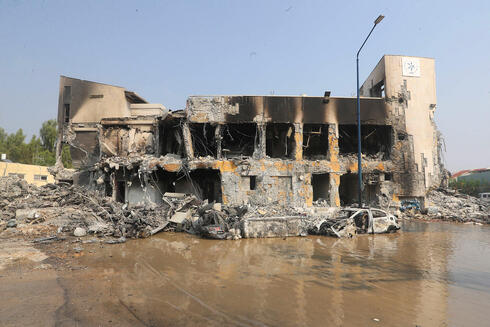
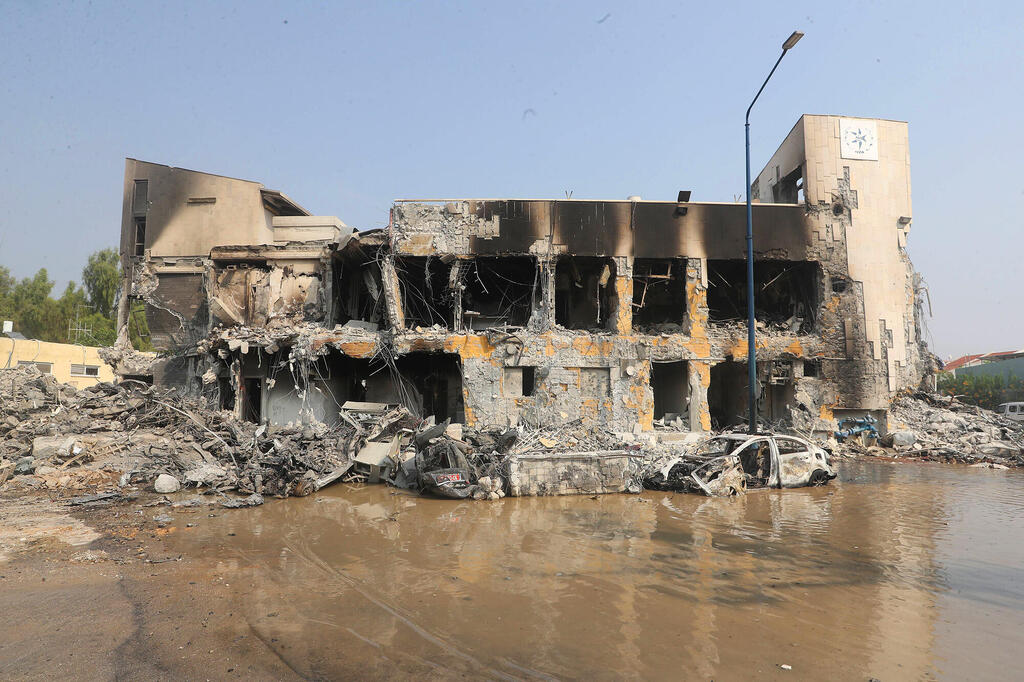
The project is rooted in Sderot's experience on October 7, when Hamas terrorists attacked the city, seized the local police station and killed 37 residents along with 16 members of the security and emergency services. Located roughly one kilometer from the Gaza border, Sderot became one of the symbols of the attack and its aftermath.
According to the companies, the simulator is intended to strengthen coordination between municipalities, emergency services and security organizations while providing a permanent environment for continuous training rather than occasional field exercises.



