









Qatar blocks Volkswagen's Iron Dome deal with Rafael as German plant faces closure
The German automaker had planned to convert a struggling factory into a defense production site in a bid to preserve thousands of jobs. The move was blocked after Qatari shareholders opposed cooperation with the Israeli defense company.
Volkswagen's plan to repurpose one of its struggling German factories to produce components for Israel's Iron Dome air defense system has been blocked after Qatari shareholders vetoed the partnership with Israeli defense company Rafael, according to the German newspaper Bild. The decision leaves the future of the Osnabrück plant, and its 2,300 employees, uncertain.
Volkswagen confirmed that its Qatari shareholders opposed the cooperation and said it is now exploring alternative ways to preserve the site.
The episode comes as Europe's largest carmaker grapples with one of the deepest crises in its history. Chinese manufacturers have eroded Volkswagen's market share both internationally and in Germany itself, while the company has struggled to establish a leading position in electric vehicles. Those pressures have forced painful restructuring measures, including layoffs, factory closures and efforts to find new industrial uses for surplus production capacity.
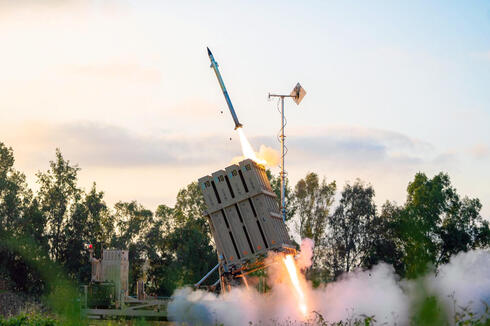
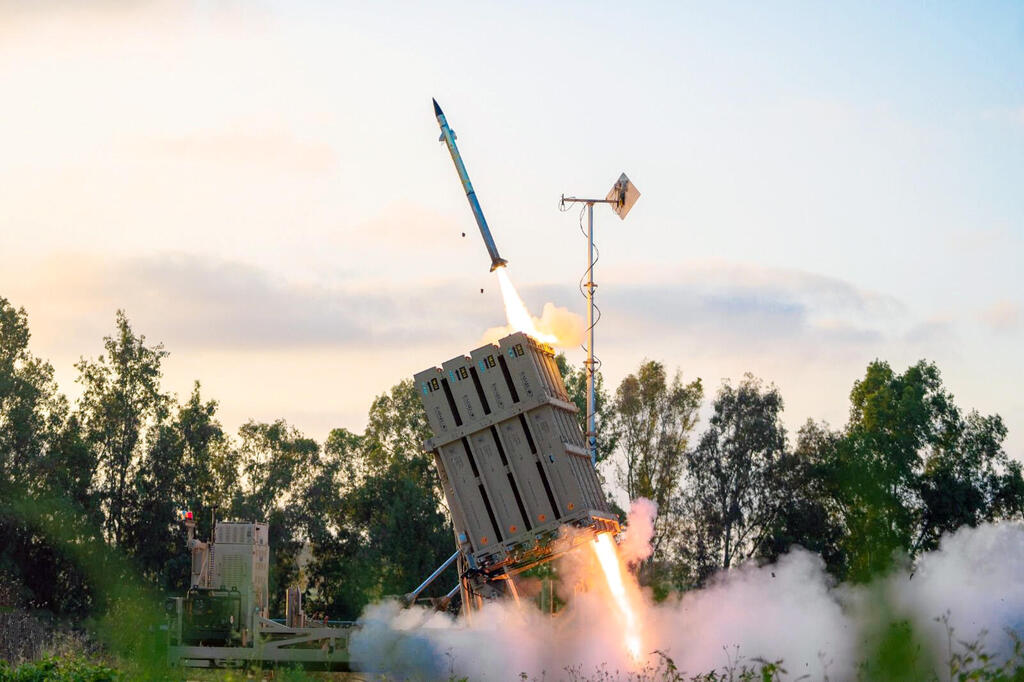
The Osnabrück facility became a symbol of that strategy. Rather than shutting the factory outright, Volkswagen sought to convert part of its production to defense manufacturing, a move that would have aligned with Europe's rapidly expanding military spending while helping preserve approximately 2,300 jobs. Under the reported plan, Rafael would have manufactured components for the Iron Dome missile defense system at the plant.
The proposal immediately drew criticism inside Germany. Peace activists and politicians from the opposition Left Party argued that Volkswagen should remain a civilian manufacturer and opposed cooperation with an Israeli defense company. Critics cited Israel's military campaign in Gaza, accusing the government of committing war crimes and genocide, allegations that Israel rejects.
According to Bild, the political controversy extended into Volkswagen's shareholder structure. Qatar's sovereign wealth fund owns 10.4% of Volkswagen's shares and controls 17% of the company's voting rights. The newspaper reported that the fund vetoed the Rafael partnership because it involved an Israeli company.



