










More than 50 years after its debut, Israel's Kfir fighter jet gets a new lease on life
Upgraded aircraft completes successful test in Sri Lanka, extending the life of a Cold War-era design by another decade.
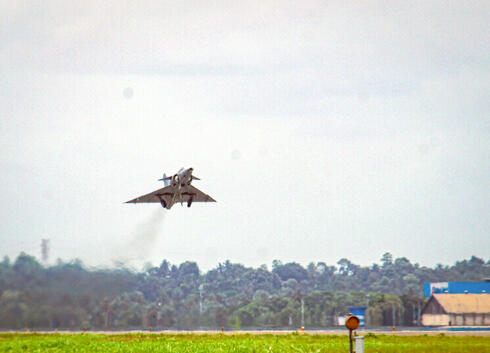
More than 50 years after its maiden flight, the Kfir fighter jet, developed and manufactured by Israel Aerospace Industries in response to the French arms embargo imposed on Israel, has reached another milestone, this time in the skies over Sri Lanka. One of the five Israeli-made fighter jets operated by the Sri Lankan Air Force successfully completed a test flight following a comprehensive upgrade program that is expected to extend its operational life by at least another decade.
Sri Lanka acquired the Kfir aircraft around 30 years ago, shortly before the type was retired from service with the Israeli Air Force, which had largely transitioned to U.S.-made fighter jets. For Sri Lanka, a country without the resources to purchase modern fighter aircraft costing close to $100 million each, the deal offered an affordable alternative, with the jets acquired for only a few million dollars apiece.
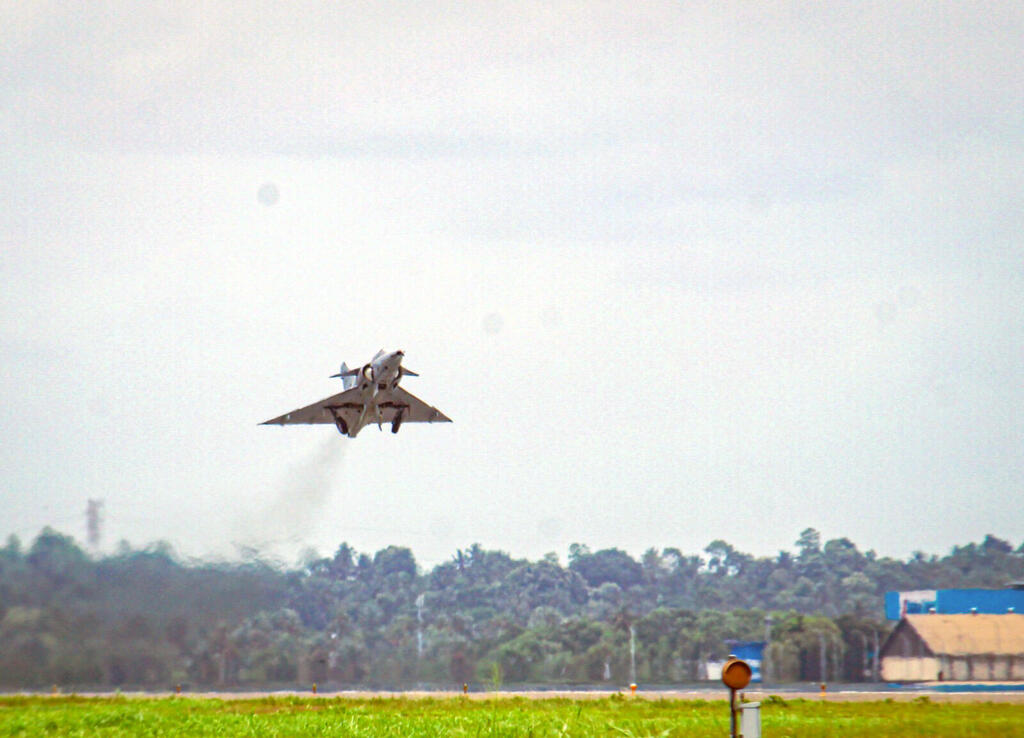
The aircraft were used extensively by the Sri Lankan Air Force, including in strikes against rebel targets during the country’s long-running civil war. In recent years, however, the fleet required a comprehensive modernization program to remain operational, as many critical systems had become obsolete.
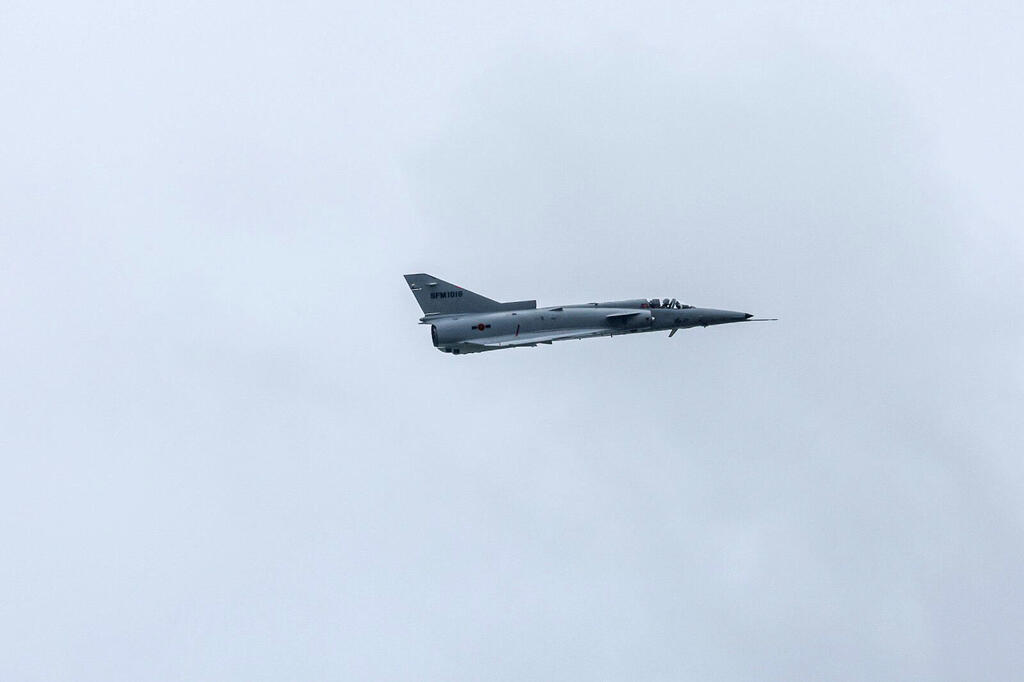
“We reinforced the aircraft’s structure and replaced outdated components that are no longer available, since the aircraft was originally developed in the 1960s,” Israel Aerospace Industries (IAI) Chairman Boaz Levy told Calcalist after receiving confirmation that the upgraded aircraft had successfully completed its test flight.
“The upgraded aircraft now features a new mission computer, autopilot, advanced navigation and avionics systems, and a refurbished engine that provides improved performance,” Levy added.
Following the successful flight, the remaining Kfir aircraft in Sri Lankan service will undergo similar upgrades as part of a program valued at approximately $50 million. The decision to modernize the fleet was made about five years ago.
However, the project faced uncertainty after Sri Lanka was hit by its worst economic crisis in history in 2022. The turmoil triggered widespread protests and ultimately forced then-President Gotabaya Rajapaksa to resign. While $50 million is relatively modest by the standards of global defense contracts, it represented a significant expenditure for Sri Lanka at a time of severe financial strain.
“Sri Lanka is very fond of this aircraft, and it serves its needs exceptionally well,” Levy said. “Since the Kfir entered service there, many children born in the country have even been named ‘Kfir.’ Decades after most of these aircraft were retired elsewhere, we continue to maintain the unique expertise and capabilities required to upgrade them. This reflects IAI’s long-term commitment to its customers. Even decades after purchasing these aircraft, they know we remain committed to supporting them and providing the services they require.”
IAI manufactured approximately 220 Kfir aircraft across several variants. In addition to Sri Lanka, the Colombian Air Force continues to operate a squadron of Kfir jets, while the U.S. Air Force uses the aircraft in adversary-training exercises that simulate enemy aircraft.



