










The other side of Israel’s defense export boom
Behind record global sales, smaller manufacturers say orders from the Defense Ministry are drying up.
Alongside an unprecedented accumulated debt of NIS 15.5 billion ($5.2 billion) to Israel’s three largest defense companies, the Ministry of Defense is also slowing the flow of orders to small and medium-sized defense suppliers due to budget constraints.
Most of the revenue generated by Israel Aerospace Industries (IAI), Elbit Systems, and Rafael comes from defense exports. In 2025, the three companies accounted for about 90% of Israel’s record $19.2 billion in defense exports and held a combined order backlog of approximately $90 billion.
The global surge in demand for weapons has strengthened the financial position of these companies in recent years, making it easier for them to absorb the Defense Ministry’s mounting debts. Smaller companies, however, rely heavily on orders from the ministry itself.
“The number of tenders being published by Defense Ministry units for local industries has dropped sharply in recent months,” an industrialist involved in manufacturing key components for the air defense systems produced by IAI and Rafael told Calcalist.
According to him, “If it weren’t for the ongoing orders we receive for those components, procurement in other areas would appear almost frozen. Suppliers that previously saw a steady increase in orders from the Defense Ministry are now feeling the squeeze. The entire story of prosperity in the defense industry begins and ends with the big three. We are struggling with the erosion of the dollar, rising wage costs in shekels, and declining profitability.”
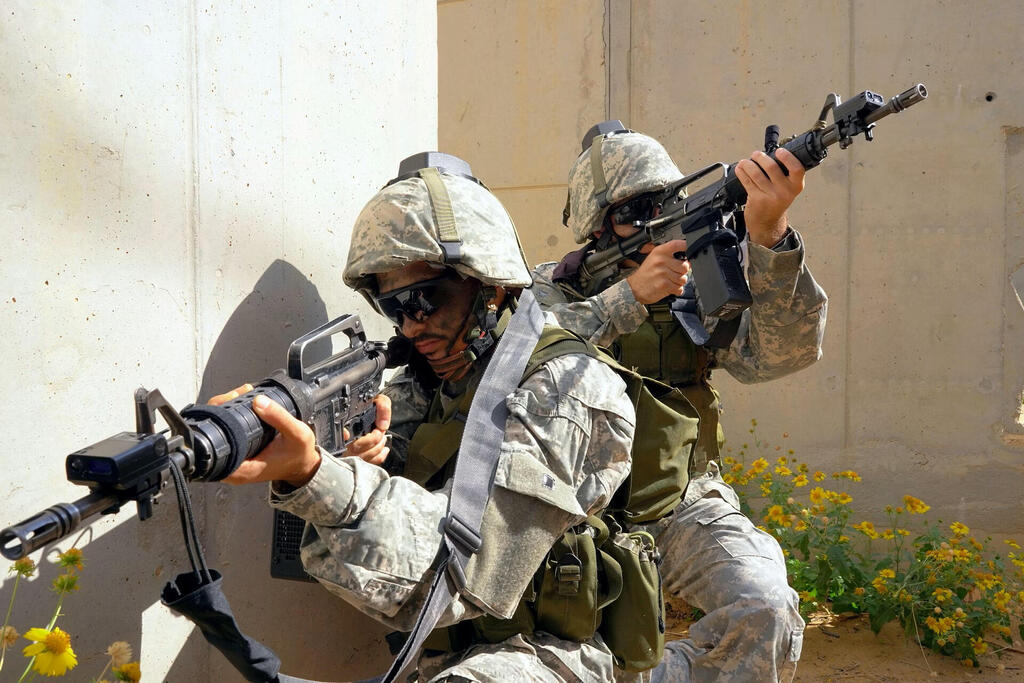
Another defense company involved in manufacturing small arms such as rifles and pistols also reported a slowdown in Defense Ministry tenders.
“These are tenders that we know are supposed to be issued because the need exists, but they simply aren’t being published,” a company executive said.
Beyond direct orders from the Defense Ministry, many small and medium-sized firms serve as subcontractors to the major defense contractors.
“These companies are being hit twice,” said the CEO of one such supplier. “The Defense Ministry is not ordering directly from them, nor is it placing orders with the large defense companies for projects that are not considered top priority. As a result, the large companies are not passing work down to subcontractors.”
He added: “It is frustrating. We need to make investment decisions that will support the expansion of our global sales operations. That requires significant capital, but the alternative is stagnation and, ultimately, survival risks. We have the capability to pursue opportunities abroad, but many smaller companies do not.”
Industry sources attribute the slowdown in orders to an ongoing budget dispute between the Ministry of Finance and the Ministry of Defense over the rapidly expanding defense budget.
The Defense Ministry argues that it has exhausted available funds and that current spending is being directed toward urgent operational requirements and what it describes as “ongoing maintenance” costs. These include rehabilitation programs for wounded soldiers, compensation for bereaved families, and the maintenance of large reserve forces due to continued military activity in Lebanon, Syria, and Gaza, as well as preparations for potential escalation with Iran.
Calcalist has learned that Defense Ministry calculations estimate the cost of the 17-hour exchange of fire between Israel and Iran earlier this week at approximately NIS 500 million ($168 million).
The figure includes the use of Arrow 3 interceptor missiles against 22 Iranian ballistic missiles, fuel costs for Israeli Air Force aircraft involved in retaliatory strikes, and the munitions used during those operations.
This comes on top of an estimated NIS 100 million-130 million ($34 million-44 million) in daily military expenditures associated with ongoing operations across multiple fronts.
The Finance Ministry remains unconvinced by these explanations and continues to reject demands for a further increase in defense spending, arguing that budget overruns are driven partly by inefficiencies and managerial shortcomings.
About three weeks ago, Calcalist revealed that the Defense Ministry and the IDF were seeking a 2026 defense budget of NIS 184 billion ($62 billion). Since then, that figure has reportedly been revised upward to NIS 188 billion ($63.3 billion).
The current defense budget stands at NIS 144 billion ($48.5 billion), following an additional NIS 32 billion ($10.8 billion) allocation approved after the outbreak of the latest Israel-Iran conflict.
According to defense establishment calculations, military activities since the beginning of the current campaign against Iran in late February have cost approximately NIS 47 billion ($15.8 billion).
“The situation is difficult,” a senior defense official told Calcalist. “We are in a budgetary emergency. Expenditures continue to rise, and the prime minister is fully aware of the numbers. When we speak about a defense budget of NIS 188 billion by year-end, we are referring to the operational requirements created by the current security reality.”
The warning from senior defense officials is likely to raise concerns within both the Prime Minister’s Office and the Finance Ministry.
Only halfway through the fiscal year, any major security escalation could trigger additional budget requests, bringing the once-unthinkable NIS 200 billion ($67.3 billion) defense budget closer to reality.
“There is no sweeping directive to halt orders to small industries,” a senior defense official said. “The slowdown is simply the result of having limited funds available. Sometimes placing new orders is more difficult than paying existing debts. New procurement is being approved sparingly and only for projects deemed operationally urgent.”
One example is the effort to counter fiber-optic-guided drones, an area that has received approximately NIS 2 billion ($673 million) in dedicated funding.
Despite intensive efforts by defense companies and military technology firms, no comprehensive solution to the drone threat has yet been found, and development work continues.
Since the outbreak of the October 7 war, the Ministry of Defense has placed approximately NIS 260 billion ($87.5 billion) worth of procurement orders within Israel, representing a fourfold increase compared with annual pre-war levels.
According to Defense Ministry figures, more than NIS 100 billion ($33.7 billion) of that total has gone to small and medium-sized companies.
A security source noted that the record surge in defense exports has also benefited smaller suppliers. The International Defense Cooperation Directorate plans to increase subsidies for small companies participating in international defense exhibitions from 50% to 70% beginning next year.
Meanwhile, a special review team headed by Maj. Gen. (res.) Amir Abulafia, appointed by Defense Ministry Director General Amir Baram, has been examining procurement practices within the ministry, focusing on both the Procurement Directorate and the Directorate of Defense Research and Development.
The team is expected to submit recommendations aimed at streamlining procurement processes by September.



