










SpaceX faces pressure from China and a flood of new shares
A Chinese company has successfully recovered an orbital rocket booster as hundreds of millions of SpaceX shares held by insiders and early investors become eligible for trading.
SpaceX is facing a new test to its dominance in reusable rockets after Chinese company LandSpace successfully landed the first stage of its Zhuque-3 rocket, while a new release of shares held by SpaceX executives and early investors adds to pressure on the stock.
SpaceX shares closed at $135 on Aug. 10, marking the first time the stock had finished above its IPO price since mid-July. The stock has since fallen about 5% to $132 per share.
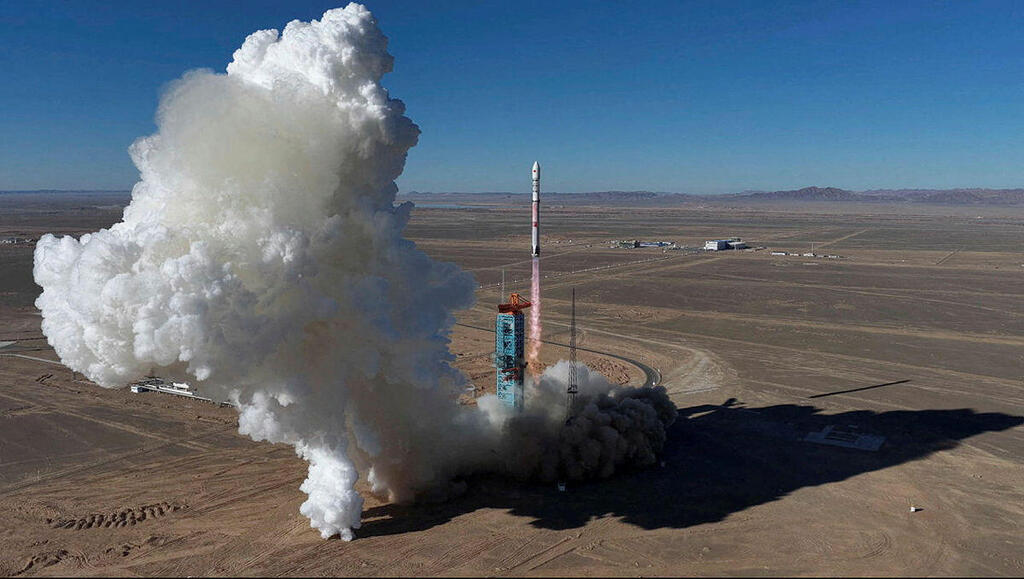
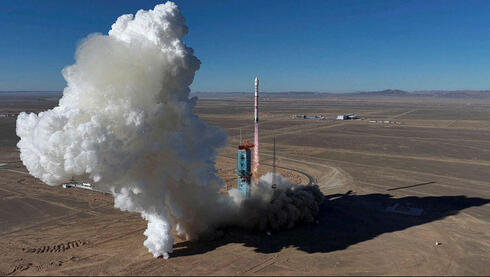
The Chinese achievement marks a significant step for LandSpace. The company successfully landed the first stage of its Zhuque-3 rocket at the Dongfeng Commercial Space Innovation Test Range in northwest China, making it the first Chinese company to successfully recover an orbital-class rocket booster.
The rocket's upper stage also successfully placed satellites into orbit on its second flight. On its maiden flight in December 2025, Zhuque-3 reached orbit but failed to recover its booster in what LandSpace described as an abnormal burn during descent.
The achievement does not erase the enormous gap between LandSpace and SpaceX, but it does show that reusable rockets are no longer an exclusively American capability. It also brings China closer to narrowing one of the technological advantages that has distinguished SpaceX from other launch providers, including U.S. competitors such as Rocket Lab.
Zhuque-3 stands 216 feet tall and can carry up to 40,350 pounds of payload to low Earth orbit. SpaceX's Falcon 9 is about 230 feet tall and can carry up to 50,265 pounds.
SpaceX, however, has a vastly larger operational track record. Since 2015, the company has successfully landed rocket boosters more than 600 times. LandSpace has now done so once.
That experience remains a major advantage for SpaceX, particularly in the frequency of launches and the ability to reuse hardware repeatedly. Investors are also betting on the company's Starlink satellite business and its ability to keep reducing launch costs as it scales.
At the same time, SpaceX is facing a separate pressure: a large increase in the number of shares available for trading.
About 319 million shares held by senior employees and early investors become eligible for trading on Thursday as part of a phased lockup period. Under the schedule, roughly 88% of SpaceX's approximately 13 billion shares are expected to become available for trading by 2027.
The stock has so far shown surprising resilience in the face of the increased supply. On Aug. 6, as many as 911.5 million shares became tradable. Rather than falling under the weight of the additional supply, the stock rose 6% that day.
But larger tests are still ahead. A tranche of about 1.3 billion shares is expected to become available around the time of SpaceX's third-quarter results in early November. Another release is scheduled after a 180-day lockup period in December.
Musk's 6.42 billion shares will remain subject to restrictions until June 2027, meaning that a substantial portion of the company's stock will continue to enter the market gradually rather than all at once.



