










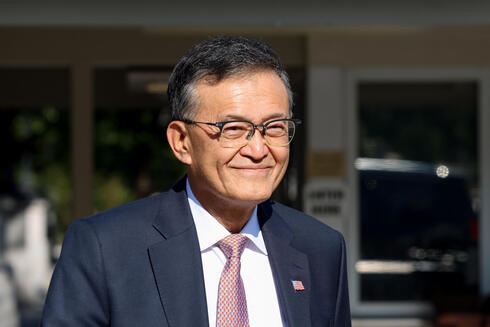
Lip-Bu Tan says “Intel is 80% done” with restructuring, but the real test is still ahead
Tan has overhauled much of Intel’s senior management as the chipmaker tries to recover from costly expansion and lost ground to TSMC. The CEO says rebuilding a competitive foundry business will take years, even with billions of dollars in government and private investment.
Intel CEO Lip-Bu Tan says the chipmaker has completed most of its restructuring, but restoring its competitive position will take years. After a costly expansion under his predecessor, Tan is reshaping the company’s leadership and looking to artificial intelligence packaging and custom-designed chips for growth, while acknowledging the long road ahead in contract manufacturing.
Tan told Nikkei in an interview in Tokyo earlier this month that Intel was “80% done” with its restructuring. Since taking over in March 2025, he has replaced much of the company’s senior management, including by hiring Seok-Hee Lee, the former chief executive of South Korean chipmaker SK Hynix.
The overhaul comes after Intel lost ground to Taiwan Semiconductor Manufacturing Co. (TSMC) in advanced chip manufacturing and to Nvidia in chips designed for artificial intelligence systems. Under former CEO Pat Gelsinger, Intel committed billions of dollars to expanding its contract manufacturing business. The costs of that restructuring contributed to a net loss of $16.6 billion in the third quarter of 2024. Gelsinger resigned in December that year.
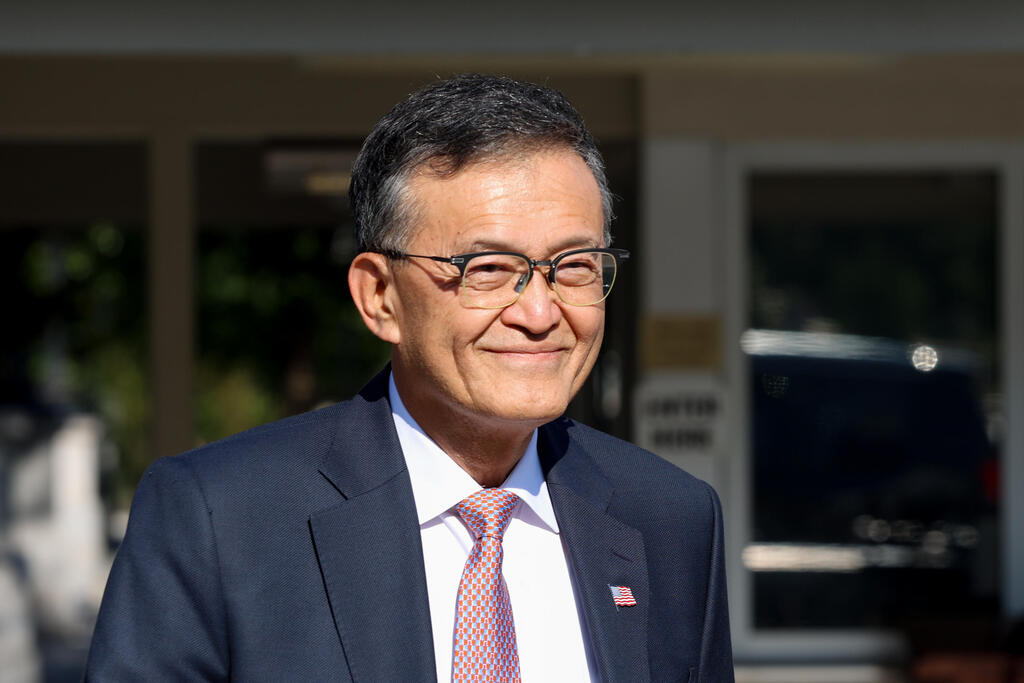
Tan’s challenge is to turn the organizational changes into a business capable of competing with established rivals. Intel’s foundry ambitions require billions of dollars in capital expenditure over many years, as companies build factories and develop increasingly sophisticated production technologies.
“From a foundry's point of view, Intel had to look at the longer-term horizon, and it's always very important to have very strong government involvement supporting,” Tan said. The business could become a growth driver “if we do it right,” he added, but “it takes time.”
He pointed to TSMC’s rise as a measure of the time required to establish a leading foundry, saying the Taiwanese company had taken 10 to 20 years to become the world’s leading contract chipmaker. Intel’s restructuring may be nearing completion, but closing the manufacturing gap is a separate and much longer task.
The company has secured substantial outside backing to support its efforts. The U.S. government converted previously allocated federal funding into an $8.9 billion investment last year, initially acquiring a 9.9% stake in Intel. That holding was later diluted to around 8.2% following a secondary stock offering in August. The investment was structured without board representation and was intended to support advanced chip manufacturing in the United States.
Tan insisted that the government’s investment did not compromise Intel’s independence. “They don't have any policy. They don't have any influence on the governance of the company,” he said, describing Intel as “independent.”
Japan’s SoftBank Group and Nvidia have also invested a combined roughly $7 billion in Intel in exchange for equity. Tan expressed gratitude for their backing, while suggesting that both investors could benefit substantially if the turnaround succeeds. They could “make a lot of money” and potentially earn “five to six times the return,” he said.
Intel’s shares have risen to around $90, roughly quadrupling since Tan took over, although they are down around 35% from their June high.
Tan is looking beyond foundry services for potential growth. He identified advanced chip packaging for AI and application-specific integrated circuits, or ASICs, as promising areas. These businesses could provide additional opportunities as demand for specialized computing technology grows.
The company must also contend with a changing competitive landscape. Asked about China’s efforts to develop its own semiconductor industry amid U.S. restrictions on advanced technology exports, Tan emphasized the differences between companies rather than predicting a clear national winner.
“Whether a company is from the U.S. or China, they all have different strengths and weaknesses, and then I think more important is what is best for the consumer, what is best for the enterprise to use,” he said, while acknowledging the sensitivities surrounding “geopolitical restriction.”
Asked whether China could catch up with the United States in semiconductor capabilities within five to 10 years, Tan offered a brief assessment: “Today, I think it's not that far behind.”



