










Analysis
Israel cannot buy F-35s or build a modern economy with crypto
Netanyahu’s plan for an alternative economy overlooks the country’s dependence on international finance, advanced technology and foreign suppliers. The sanctions imposed on Lebanese energy company Coral Oil offer a warning of what financial isolation can mean.
On Thursday, Israel’s Ministry of Defense offered a concrete illustration of how financial sanctions can cripple a company’s ability to operate internationally. The National Bureau for Counter Terror Financing of Israel (NBCTF) targeted Lebanese energy company Coral Oil, issuing an order designed to restrict its access to the global financial system.
The NBCTF said it had “solid, well-founded intelligence” that Coral Oil had supplied approximately 130,000 liters of gasoline and diesel to Al-Amana, Hezbollah’s energy company. The fuel was allegedly used to support Hezbollah’s activities against Israel, including transporting weapons, operating underground infrastructure, and meeting logistical and operational needs.
Defense establishment officials described the action as a “direct strike against a significant Hezbollah funding channel.” Because Israeli sanctions orders are incorporated into major global financial databases used by banks and credit card companies, they said, the measures would impede fund transfers and make it harder for Coral Oil to conduct business internationally.
A day later, Prime Minister Benjamin Netanyahu revealed that he had instructed officials to prepare a plan for an “alternative economy” that could help Israel circumvent potential economic sanctions, including through cryptocurrencies. The proposal raises a fundamental question: how could Israel sustain an economy that depends on international trade, investment and sophisticated defense supply chains if it were cut off from the global financial system?
A shift toward cryptocurrencies would not solve that problem. Instead, it could deepen Israel’s economic and diplomatic isolation, leaving its companies exposed to the same kind of restrictions imposed on Coral Oil for its alleged dealings with Hezbollah.
Haifa’s oil refinery cannot simply replace its international suppliers and customers with cryptocurrency transactions. Neither can Rafael, Israel Aerospace Industries or Elbit Systems. Nor could these companies maintain their global operations by moving their business to the “dark web.”
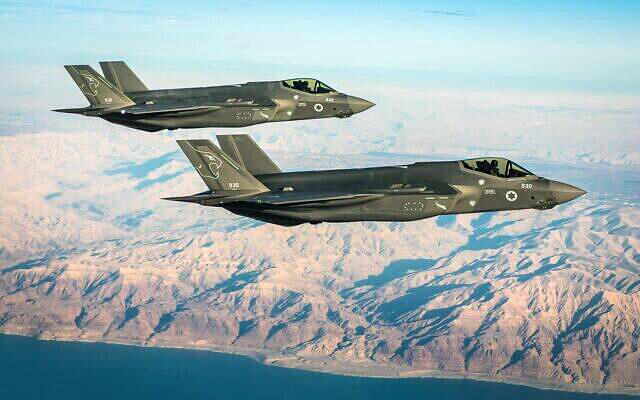
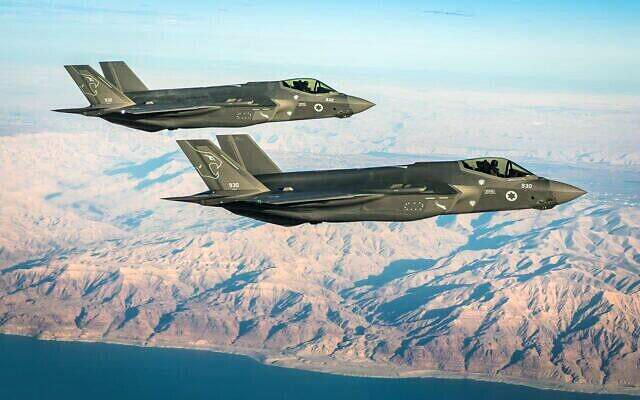
Israel would also struggle to acquire the advanced military equipment on which its security depends. Fighter jets, helicopters, submarines, tank engines and armored personnel carriers cannot be purchased simply by transferring digital tokens. The same applies to spare parts for F-35 fighter jets and the bombs required by the Israeli Air Force. Plans to establish a Space Corps operating hundreds of satellites and a robotics brigade could remain on paper if Israel lost access to essential foreign technology, components and suppliers.
The stakes extend well beyond the defense industry. An economy increasingly isolated from international financial institutions and trading partners would face severe obstacles to investment, commercial activity and growth. Cryptocurrency cannot substitute for the banking relationships, supply chains and international partnerships that underpin a modern economy.
The most troubling aspect of Netanyahu’s proposal is the possibility that Israel could end up paying this price without addressing the conduct contributing to its growing international isolation. Rather than confronting Jewish terrorism directed against Palestinians in the occupied territories, the government appears willing to contemplate adapting to the economic consequences of mounting international criticism.
The military, the police and the government have been accused of turning a blind eye to this violence, even as criticism of Israel grows abroad. If the government responds to the prospect of sanctions by preparing for isolation rather than addressing the actions that could provoke them, it risks making a damaging outcome more likely.
An alternative economy built around cryptocurrency would not insulate Israel from the consequences. It could instead leave the country less connected, less prosperous and less secure.



