










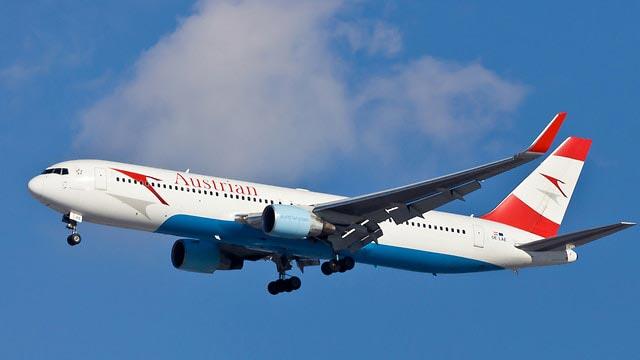
Iran tensions leave Ben Gurion jammed with U.S. military aircraft
Airport officials warn that American refueling planes are severely limiting capacity and delaying a full recovery in international air travel.
During the coming week, several foreign airlines are set to resume flights to Israel, led by the Lufthansa Group. Despite the positive development, Ben Gurion Airport is not rushing to celebrate and is sending a clear message to the government: as long as U.S. military refueling aircraft remain stationed at the airport, both foreign and Israeli airlines will struggle to operate regular schedules or expand their services.
On Monday morning, Polish carrier LOT resumed its daily route between Warsaw and Tel Aviv. Later this month, the airline plans to add a second daily flight and launch a new route between Krakow and Tel Aviv, which will operate five times a week.
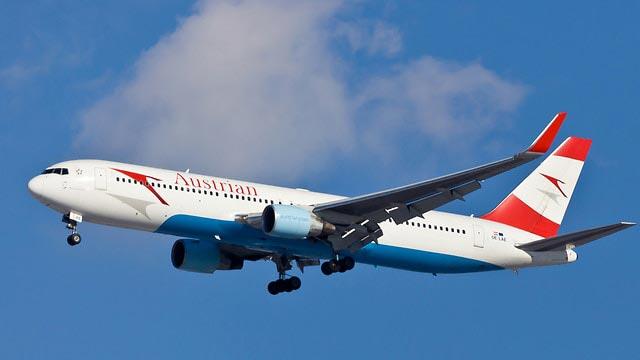
On Tuesday, airlines belonging to the Lufthansa Group are scheduled to resume service to Israel. Austrian Airlines and Lufthansa Cargo will be the first to return, while Lufthansa and Swiss are expected to restart flights on July 1. Eurowings is set to follow in mid-July. At this stage, Brussels Airlines remains the only carrier within the group that has not announced a return, with its suspension currently extended through October 24.
Bulgaria Air is also expected to resume flights to Israel this week. These carriers join Hungarian low-cost airline Wizz Air, which returned to Israel last weekend and simultaneously reopened routes to London, Budapest, Bucharest, Bratislava, Larnaca, Warsaw, Krakow, Milan, Rome, Athens, and Sofia.
The return of foreign airlines comes amid an ongoing effort by Ben Gurion Airport management to free up space occupied by U.S. military aircraft, which officials say is limiting operations and reducing the number of parking positions available for commercial airlines. While Israeli carriers have adapted to the reduced capacity, some foreign airlines that have yet to resume service have reportedly cited airport congestion as one of the factors affecting their return plans.
Israel Airports Authority CEO Sharon Kedmi recently warned that millions of passengers could face flight disruptions due to capacity constraints at the airport, which he said is currently operating at only about one-third of its normal capacity.
Kedmi's comments echo demands made by Transportation Minister Miri Regev, who has appealed to Prime Minister Benjamin Netanyahu, Defense Minister Israel Katz, and National Security Council head Gil Reich to relocate the refueling aircraft. Although Regev previously succeeded in having some of the planes moved elsewhere, the defense establishment is currently opposing further changes and has so far refused to alter the deployment of the aircraft at Ben Gurion Airport.



