











HR The Next Leap
NoTraffic: “The bar for new hires is evolving”
Liora Katz, Chief People Officer at NoTraffic, discusses why flexibility has become a non-negotiable for people professionals across Startup Nation, and what influence an employer's market and the AI revolution has had on recruitment trends, as part of CTech’s HR: The Next Leap series.
“The bar for new hires is evolving,” says Liora Katz, Chief People Officer at NoTraffic, an AI-powered traffic signal platform. Specifically, Katz notes the AI revolution has spurred “a greater emphasis on adaptability, learning agility, and the ability to work effectively alongside AI tools.” Yet, even within the current employer’s market, she details how high-caliber candidates have become “far more selective about joining companies with a clear moat, resilience, and sustainable differentiation.”
From active and looming war threats, to AI rapidly and constantly redefining what it means to be productive, running a company in Startup Nation brings with it its own category of challenges and rewards. HR: The Next Leap takes a glimpse into the heart of Startup Nation via the HR professionals shaping its culture. We survey the executives whose jobs are more demanding and more vital than ever, as they heed the future-proofing of their workforce, while simultaneously ensuring business continuity and employee wellbeing during relentlessly unprecedented times.
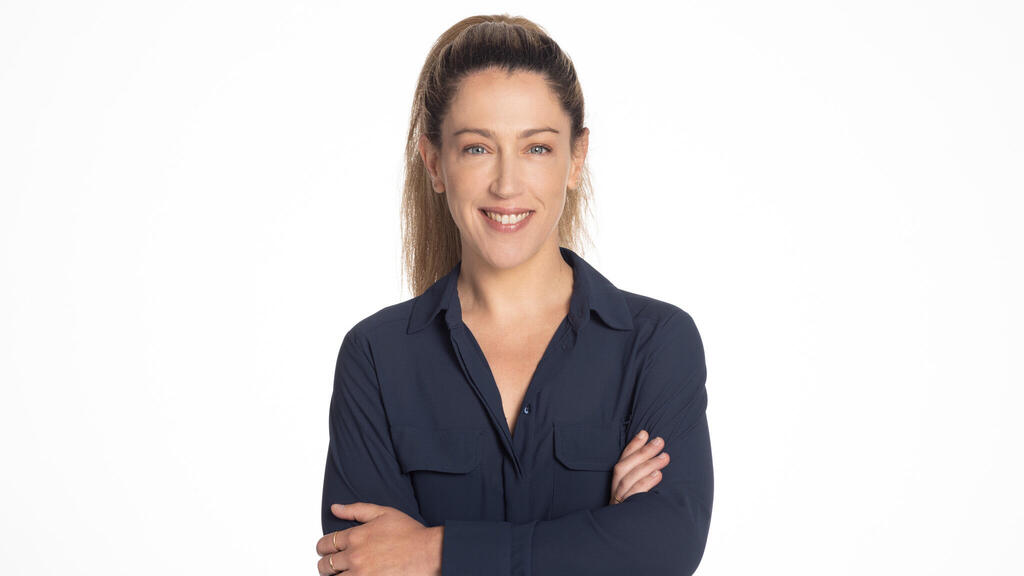
Turning to the operational challenges unique to Startup Nation over the last few years, Katz determines “retention today is less about perks and more about creating a strong sense of purpose, impact, stability, and belonging, especially during uncertain times.” She continues: “We understand that if we want to retain people for the long term, we have to help them protect their mental well-being and create an environment that allows them to navigate changing realities.”
You can read the entire interview below.
Company Name: NoTraffic
Sector: Mobility
Founders: Tal Kreisler, Uriel Katz and Or Sela
Year of Founding: 2017
Investment stage: Series C
Total investment to date: ~$165M
Investors: PSG Equity, M&G Investments, Grove Ventures, LifeX Ventures, Meitav Investment House, and Next Gear Ventures
Current number of employees: ~180
Open positions: Multiple roles across engineering, product, and operations (varies by location)
Website: https://www.notraffic.com
Social Media: LinkedIn, X, Facebook
As of March 2026, the market officially shifted into an 'employer's market'. How have your screening criteria changed, and do candidates - including senior-level ones - still hold any leverage in negotiating salaries and terms?
The market has clearly shifted toward employers, but our approach hasn’t fundamentally changed. We’ve always maintained a high bar and focused on attracting top talent. What we’re seeing today is an even greater emphasis on impact, ownership, adaptability, and the ability to operate in uncertainty.
At the same time, strong candidates, particularly at senior levels, still hold meaningful leverage when they bring rare expertise or proven business impact. Negotiations today are more balanced and focused on long-term value, stability, and growth potential rather than short-term competition. We also see candidates being far more selective about joining companies with a clear moat, resilience, and sustainable differentiation.
How have/are you managing operational continuity and recruitment while the economy navigates the emergency state triggered by the conflict with Iran? With the threat of escalation looming at any moment, how are you and have you been handling everything from interviews interrupted by sirens to managing teams thinned by massive, ongoing reserve duty?
We’ve adapted quickly to a reality where disruptions are part of the routine. From day one, we focused on maintaining close and continuous communication with our employees, supporting the families of reservists, and adjusting priorities and workloads based on the evolving situation to ensure operational continuity.
In recruitment, maintaining continuous communication with candidates became just as important. We stayed closely connected throughout the process, approached every interaction with empathy and understanding of the reality everyone is navigating, and provided maximum flexibility, whether that meant rescheduling interviews interrupted by sirens, extending timelines, or adapting to changing availability.
Beyond the role of empowering employees, which roles has AI eliminated over the past year, what percentage of your workforce was reskilled to avoid being phased out, and how has this impacted entry-level hiring?
AI hasn’t driven large-scale layoffs for us, but it has changed how work gets done. Certain repetitive and manual tasks are increasingly being automated, which naturally reduces the need for some traditional entry-level responsibilities.
At the same time, we’re investing heavily in upskilling and enabling employees to shift toward higher-value, more strategic work. As a result, the bar for new hires is evolving, with greater emphasis on adaptability, learning agility, and the ability to work effectively alongside AI tools.
Against the backdrop of the unstable security and political climate, are you seeing an increase in relocation requests or 'quiet quitting' by top-tier talent moving abroad, and what is the most proactive step you are taking to retain them in Israel?
There is some increase in relocation conversations, but it’s not widespread. From our perspective, retention today is less about perks and more about creating a strong sense of purpose, impact, stability, and belonging, especially during uncertain times.
One of the most important things we can provide employees right now is a stable, transparent, and supportive work environment that serves as an anchor amid the external uncertainty. Strong communication, meaningful work, and a healthy culture are ultimately what keep top talent engaged and committed for the long term.
In an era where stability has replaced flashy perks, how are you addressing the deep mental burnout of employees torn between the professional and security fronts, and what is the most critical benefit you offer today in place of the bonuses that have vanished?
Burnout is very real, especially when people are balancing professional pressure alongside an ongoing security reality. Flexibility has become critical, whether through a hybrid model, flexible hours, or adjusting expectations during difficult periods. We understand that if we want to retain people for the long term, we have to help them protect their mental well-being and create an environment that allows them to navigate changing realities.
Alongside that, we place a strong emphasis on continuous communication and close support, both from HR and direct managers. We make a conscious effort to stay connected to employees, identify challenges early, and provide personalized support where needed. Ultimately, the most meaningful “benefit” today is a stable, supportive environment, responsive leadership, and a strong sense of purpose and impact at work.



