









"The five insurance companies are a pillar of resilience in the State of Israel"
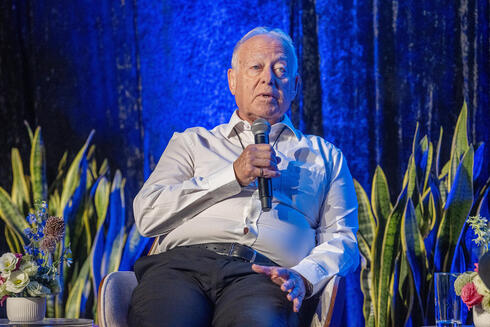
Clal Insurance chairman Haim Samet was speaking at the National Economic Conference, adding: "The coronavirus and the war prove that the institutions know how to conduct themselves optimally, and this is a point of strength for the State of Israel."
"The five insurance companies are a pillar of resilience in the State of Israel and must operate at the highest possible level. The COVID-19 pandemic and the war have proven that these institutions know how to operate effectively, and this is a source of strength for the country. Clal manages NIS 450 billion in policyholders' assets and invests in countless private projects, and the government can leverage this capability."
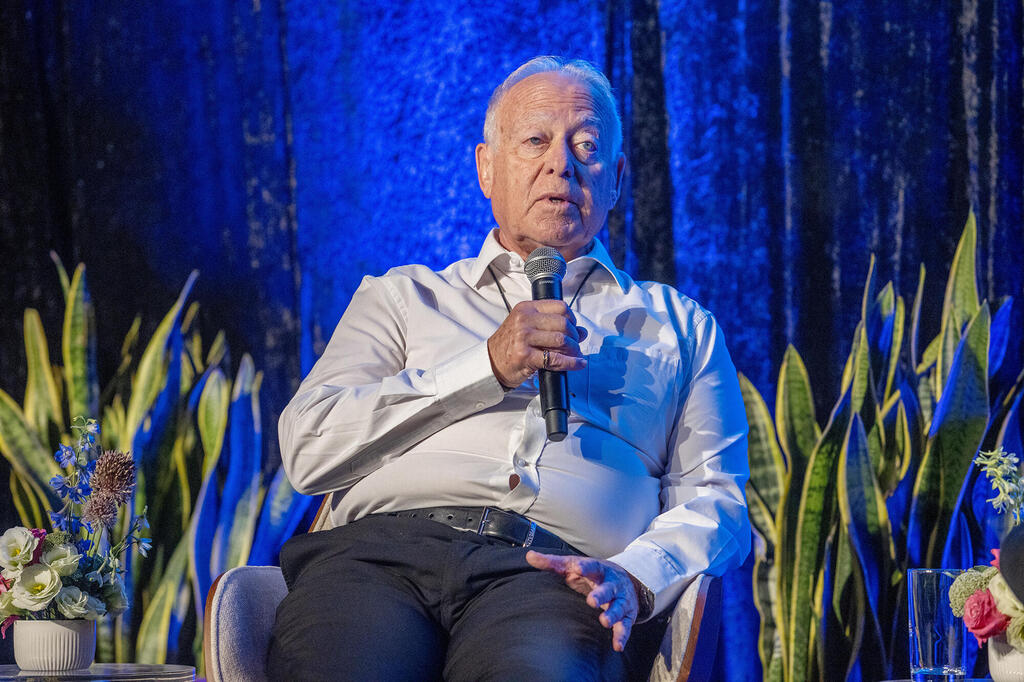
This was said by Haim Samet, Chairman of Clal Insurance and Finance, at the National Economic Conference of Calcalist, Bank Leumi and Clal. He spoke with Calcalist correspondent Shaked Green Arava.
We have seen many initiatives from the private sector aimed at helping the public. Are you fulfilling your responsibilities, or are you stepping into a vacuum left by the government?
"During the war, we were in the right place in terms of our social contribution. A few days after the war began, we visited Shai Hermesh, who had been evacuated along with many others. We came with a proposal that Clal would provide NIS 1 billion with government support for the rehabilitation of the Gaza border communities, and another NIS 1 billion to help restart economic activity there.
"Shai Hermesh said it was an excellent idea, but later the government established an administration and the initiative was abandoned. We donated significant amounts of money during the war. We provided assistance to people who were not insured. We also took on projects to make beaches accessible to people with disabilities — today, it is impossible for someone in a wheelchair to reach most beaches. Supporting trauma victims is also extremely important."
How do you manage NIS 450 billion in assets during a period of uncertainty?
"Responsibly, with courage and determination, while maintaining strict corporate governance. We have an obligation to generate returns through long-term management. We invested in Israeli companies and projects that generated very strong returns. The key is to maintain discipline."
Where do things stand regarding the reform involving small banks?
"Generally speaking, as the owner of MAX, we are examining the implications of the regulatory requirements, which are very burdensome. The proposed reform may provide protection in the short term, but in the long term MAX will only become a bank if the cost-benefit equation makes sense. At this stage, that does not appear likely."
If the State of Israel wanted to purchase insurance coverage, how would you assess its risk level?
"We operate in a world of risk management, but we also need to know how to manage opportunities. The risk index showed that Israel had reached elevated risk levels even before the war broke out. We believe that the State of Israel could have been insured very effectively."



