











Arrow developer IAI has six weeks to resolve IPO crisis
The state-owned defense contractor is racing to resolve a dispute over disclosure of classified activities before a deadline that could jeopardize its status as a reporting company. IAI is preparing to sell at least 20% of its shares at a targeted valuation of $33 billion.
Israel Aerospace Industries (IAI) has just six weeks to resolve a regulatory impasse over how it discloses information about its classified activities, a step needed to advance its planned initial public offering. With next week’s Knesset elections approaching, it remains unclear whether the Ministry of Justice will address the issue in time. If no solution is reached by December 1, IAI may be required to redeem its sole outstanding bond series, worth NIS 154 million ($50M), potentially ending its status as a publicly reporting company.
After months of discussions over what IAI must disclose to potential investors without compromising classified information, Deputy Attorney General Gil Limon recently informed the Government Companies Authority and IAI that the necessary milestones had not yet been met. He said the matter was not yet ready for consideration by Attorney General Gali Baharav-Miara, and no decision had been made on whether to advance it in the days before the elections.
Calcalist has learned that while Limon awaits a response from the Ministry of Defense’s legal department on whether the process can move forward at this stage, IAI executives are considering an urgent court petition to accelerate a resolution and preserve the company’s status as a reporting corporation. Such status requires a company to disclose specified information about its financial condition and business activities to the public.
To help resolve the impasse, Limon has requested an opinion from Israel Securities Authority Chairman Seffy Zinger on the confidentiality order and IAI’s compensatory disclosure obligations. These are intended to provide investors with information in place of data the company is prohibited from revealing for security reasons.
In recent weeks, IAI and the Government Companies Authority have reached an understanding with the Israel Securities Authority, in coordination with the Director of Security of the Defense Establishment (Malmab) on how to regulate confidentiality and compensatory disclosure. The remaining steps are largely formal, but the approaching maturity of IAI’s bonds in about six weeks has made the timetable critical. Sources involved in the discussions said the Israel Securities Authority may have to grant an exceptional extension, similar to one it provided to IAI in the past.
Senior officials at the Government Companies Authority and IAI warned over the weekend that losing reporting-corporation status would impair the company’s ability to operate in the capital market and raise funds. They said it could also weaken corporate governance and transparency, damaging IAI’s standing and its appeal to investors and business partners in Israel and abroad.
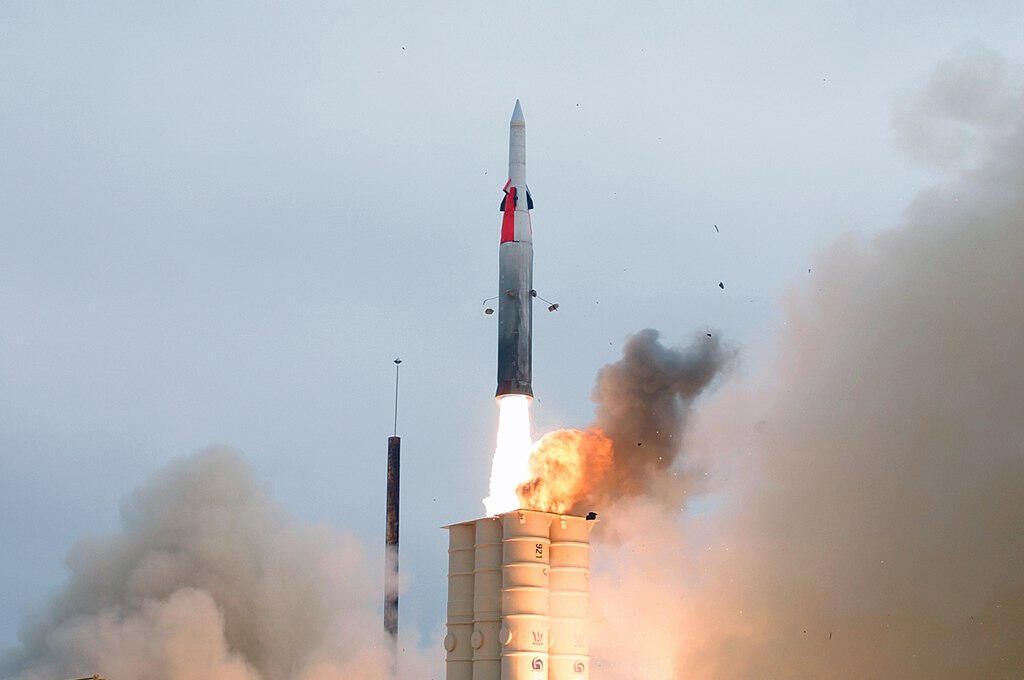
IAI has had a single series of bonds traded on the Tel Aviv Stock Exchange for about two decades. Over the years, it has benefited from an exemption granted by the Israel Securities Authority from disclosing information about its classified defense activities. These include the production of Arrow 3 missile-defense systems, which Israel uses to intercept ballistic missiles.
The planned IPO has prompted the regulator to seek a comprehensive framework governing both confidentiality orders and compensatory disclosures, bringing IAI’s reporting arrangements into line with the requirements applicable to publicly traded companies while protecting sensitive defense information.
The Government Companies Authority warns that, despite the understandings reached with the Israel Securities Authority and Malmab, a lack of progress at the Ministry of Justice could delay the process and jeopardize the offering. One source warned that the delay could “set the company back decades.”
Under the proposed offering, IAI plans to sell at least 20% of its shares to institutional investors, based on a valuation of approximately NIS 100 billion ($33B). The plan comes as the state-owned defense company reports what is considered the strongest financial performance in its history, driven by a boom in global arms demand.
In the first half of 2026, IAI’s sales reached $4.27 billion, up 33% from the same period in 2025. Net profit rose 40% to $450 million, while its order backlog increased 30% to a record of approximately $35 billion.
The offering is intended to strengthen IAI’s ability to compete in the global defense market, facilitate acquisitions in Israel and abroad, and allow the company to offer more competitive compensation packages to employees and executives.
One factor accelerating the push for an offering is the rise of defense tech companies, which have benefited from growing global defense budgets and greater access to private investment. These companies are competing with established defense contractors for skilled employees and executives. Against this backdrop, the Government Companies Authority, IAI Chairman Boaz Levy and the company’s CEO view the offering as an important tool for strengthening IAI’s position in international markets.



