










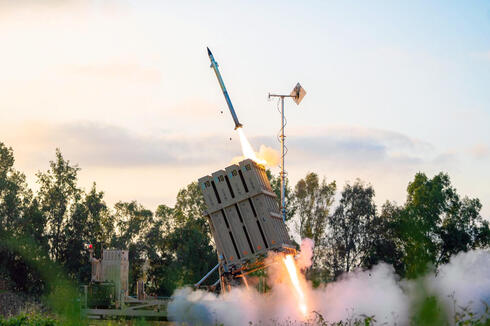
Rafael and Volkswagen reopen talks on Iron Dome production in Germany
The plan appeared dead after opposition from Volkswagen’s Qatari shareholder, but Bloomberg reports that the parties are now considering a structure that would put Lower Saxony between Volkswagen and Rafael.
A proposed partnership between Israel’s Rafael and Volkswagen to produce equipment for the Iron Dome air-defense system at the German carmaker’s Osnabrück factory is back under discussion, weeks after the plan appeared to have been killed by opposition from Volkswagen’s Qatari shareholder.
According to a Bloomberg report, Volkswagen, the German state of Lower Saxony and Rafael are now exploring a structure that could allow the project to go ahead without Volkswagen directly entering into an industrial partnership with the Israeli state-owned defense company.
An agreement could be reached in the coming weeks, Bloomberg reported, citing people familiar with the discussions. The talks remain ongoing and there is no guarantee that a deal will be signed.
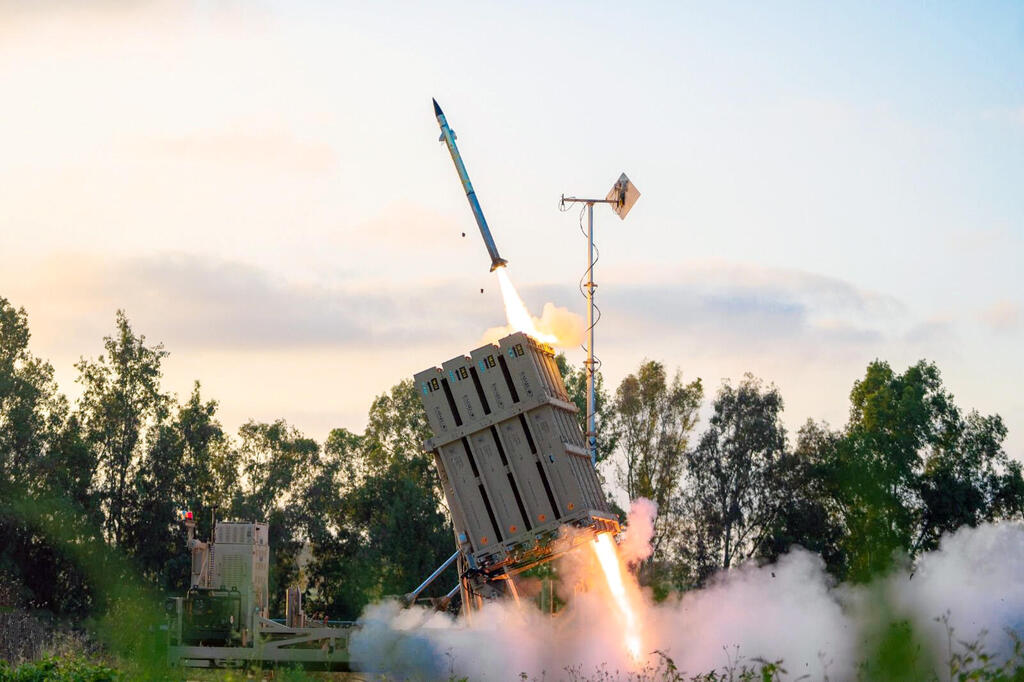
The proposal is centered on the future of Volkswagen’s Osnabrück plant, where production of the T-Roc Cabriolet is scheduled to end next year. Under the plan being considered, the facility would be used to manufacture support equipment for Rafael’s Iron Dome system, including heavy-duty trucks designed to transport missiles, launchers and power generators.
The latest discussions represent a significant shift from last month, when the proposed cooperation appeared to have been blocked.
Volkswagen had sought to use the plant as part of a broader effort to find alternative uses for underutilized factories as it restructures its German operations. But the proposal encountered opposition from the Qatar Investment Authority, which owns 10.4% of Volkswagen’s shares and controls 17% of its voting rights.
One possible way around that opposition now being examined would involve Volkswagen transferring parts of the Osnabrück site to Lower Saxony. The state could then establish a joint venture with Rafael, according to one of the people cited by Bloomberg.
Such a structure would allow the German state to participate directly in the industrial project while avoiding a direct cooperation between Volkswagen and Rafael, potentially addressing the concerns raised by Qatar.
A spokesman for Lower Saxony state premier Olaf Lies said the state is examining how it could participate in a potential future industrial solution for the Osnabrück site. Rafael and Volkswagen declined to comment, while the Qatar Investment Authority did not immediately respond to a request for comment, Bloomberg reported.
The renewed talks come as Volkswagen faces pressure to reduce costs and find new uses for factories that no longer have enough vehicle production to justify their existing capacity.
The company is preparing for a September 4 supervisory-board meeting as CEO Oliver Blume seeks billions of euros in savings. High labor costs, underused plants and intensifying competition from Chinese automakers have weighed on Volkswagen’s profitability.
Osnabrück has become one of the clearest examples of that problem. With the T-Roc Cabriolet set to end production next year, Volkswagen has been looking for alternatives to simply closing the plant. Blume has said the company will seek partners, investors and other industrial uses for facilities where replacing vehicle production is not feasible.
The Rafael proposal offered one possible answer: turning part of a struggling automotive facility toward defense production at a time when European governments are increasing military spending and demand for air-defense systems is expected to rise.
Qatar remains a significant shareholder in Volkswagen, with two seats on the company’s supervisory board. But it does not hold a blocking minority and could not prevent the project on its own.



