










OpenAI wins court fight as Musk’s $150 billion claim falls short
Trial offered a rare look inside the company behind ChatGPT as it races toward a possible trillion-dollar valuation.
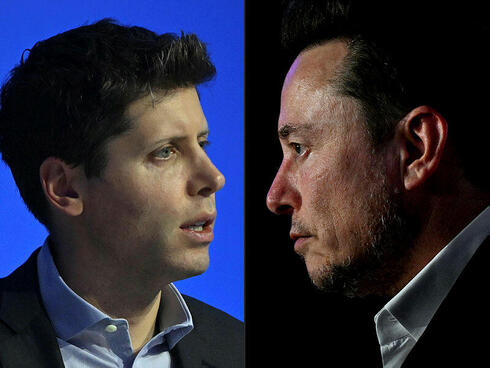
A jury ruled in favor of Sam Altman and OpenAI on Monday in a closely watched lawsuit filed by Elon Musk, who accused the company of betraying its original nonprofit mission by transitioning into a for-profit business. The verdict ends a legal battle that drew intense attention across the technology industry, exposing tensions, rivalries, and competing visions among some of artificial intelligence’s most influential figures.
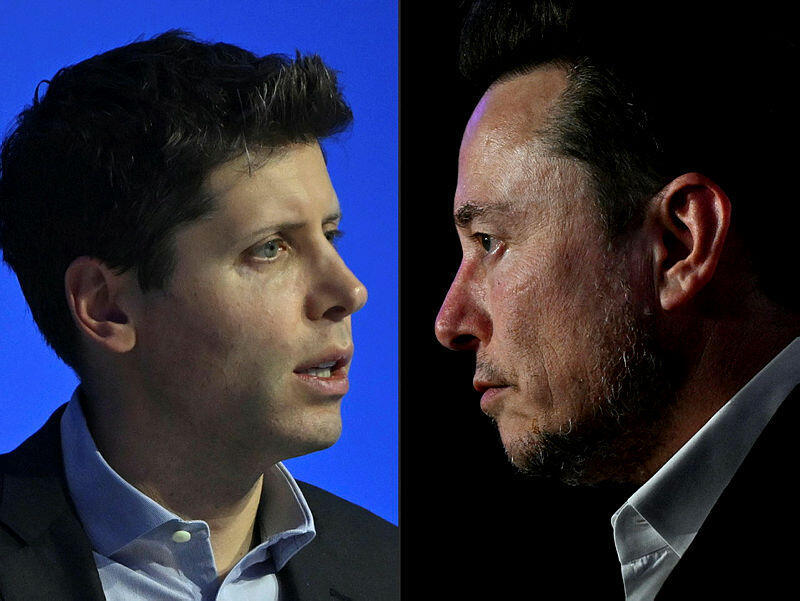
Musk was seeking $150 billion in damages from OpenAI and Microsoft, one of its largest investors, with any proceeds directed to OpenAI’s charitable arm.
The documents filed as part of the case offered a rare window into the egos and personalities that shaped OpenAI’s evolution, from a nonprofit research lab in Greg Brockman’s apartment into a technology giant valued at more than $850 billion. They also shed light on how some of the most influential figures in generative AI think about the technology.
At the heart of the case is Musk’s claim that OpenAI, Altman, and Microsoft betrayed the organization’s original nonprofit mission to benefit humanity by creating a for-profit entity in March 2019, 13 months after Musk left the board.
Musk alleges that the defendants kept him in the dark about their plans, exploited his name and financial backing to build what he describes as a “wealth machine,” and owe damages for misleading both him and the public.
OpenAI countered that Musk is driven by a desire to control the company and bolster his own AI venture, xAI, which he founded in 2023 shortly after OpenAI launched ChatGPT and ignited the current AI boom.
The company maintains that Musk participated in discussions about restructuring OpenAI and even sought the CEO role, claims that Microsoft also supports, while denying any collusion.
The trial came at a sensitive moment for both sides.
OpenAI faces intensifying competition from rivals such as Anthropic and continues to spend heavily on computational infrastructure. It is also preparing for a potential IPO that could value the company at $1 trillion.
Musk’s ventures face their own pressures. His AI company xAI, now integrated into SpaceX, trails OpenAI in adoption. SpaceX is also reportedly preparing for what could be one of the largest IPOs in history.
According to court filings, Musk contributed approximately $38 million in Seed funding to OpenAI between 2016 and 2020, largely before leaving the board.
In 2019, OpenAI restructured into a capped for-profit entity governed by its nonprofit parent, allowing it to raise outside capital while maintaining its original mission.
Last fall, OpenAI transitioned again, becoming a public benefit corporation in which the nonprofit and investors, including Microsoft, hold stakes. The nonprofit retains a 26% stake, along with additional warrants tied to valuation milestones.



