










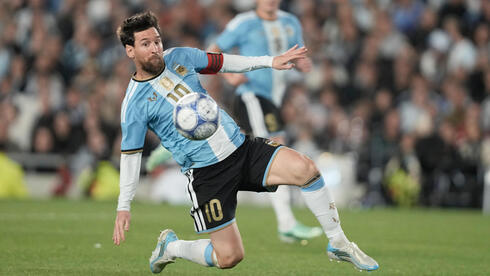
Lionel Messi is building a business empire that will outlast his football career
From his Inter Miami compensation package to hotel investments, venture capital and football club ownership, Messi is turning his sporting success into a diversified portfolio.
Lionel Messi’s financial story did not begin in Manhattan law offices or at high-level summits in Barcelona. It began in a modest treatment room in Rosario, Argentina. In the late 1990s, the slight youngster was diagnosed with a growth hormone deficiency, and his treatment cost around $900 a month, a sum his boyhood club, Newell’s Old Boys, refused to cover. His move to Barcelona was intended first and foremost to safeguard his health and his football career. The commitment, hastily scribbled on a napkin at a Catalan tennis club, helped secure the treatment he needed and set him on a path that would eventually lead to an unprecedented financial empire.
A day after bidding farewell to Argentina’s national team following an emotional match against Benin, Messi (39) marked a historic dividing line between the era of traditional sports and the age of the athlete as an independent brand. He ended his international career after 21 years, with a goal and two assists in a 3-0 victory at the Monumental Stadium. He leaves La Albiceleste not only as a national hero with eight Ballon d’Or awards and a World Cup title, but also as an athlete who has earned more than $1.2 billion directly from playing, bringing his cumulative career income to over $1.8 billion.
1 View gallery
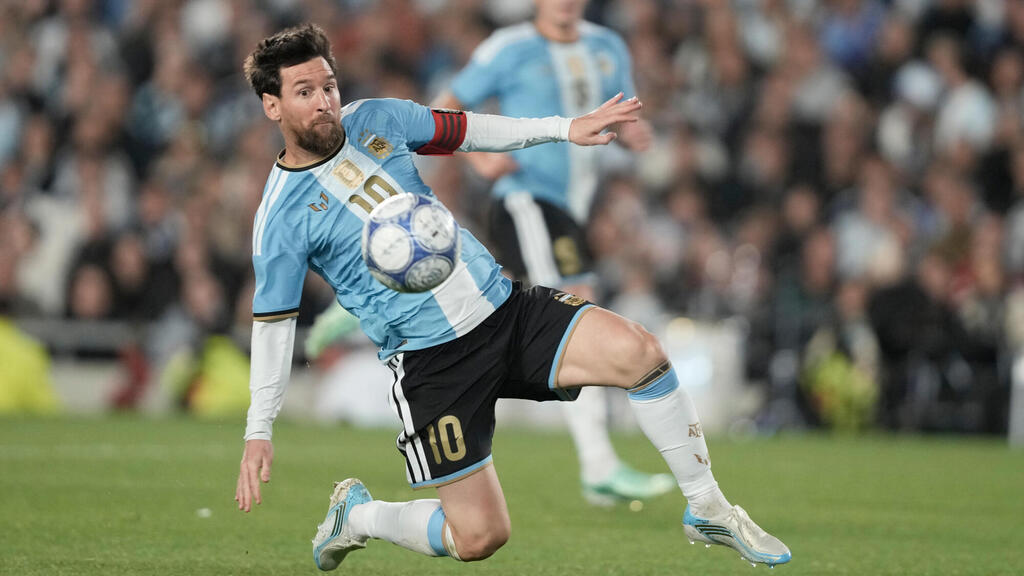
Messi during the farewell match against the Benin national team.
(AP Photo/Natacha Pisarenko)
According to recent estimates by Forbes, Messi’s net worth stands at approximately $1.1 billion, making him the fifth-wealthiest person in Argentina. The magazine identifies him as one of only four athletes to have joined the billionaires’ club while still actively competing, alongside LeBron James, Tiger Woods and Cristiano Ronaldo.
Barcelona built the foundation for Messi’s fortune over the course of a turbulent 20-year relationship that ultimately ended in financial turmoil. An analysis by Italian financial journalist Marco Iaria for La Gazzetta dello Sport estimated that Messi earned approximately €800 million in gross salary during his time at Camp Nou, before accounting for external bonuses, sponsorship deals and image rights.
His earnings were underpinned by remarkable consistency. According to Forbes, Messi has ranked among the world’s five highest-paid athletes every year since 2014, reaching the top spot in 2019 and 2022. A major turning point came in 2017, when he signed a four-year contract with a maximum gross value of €545 million. Contract documents published by Spanish newspaper El Mundo showed that Messi earned approximately $177 million during the 2017-2018 season alone.
The contract made him the highest-paid player in team sports history, but it also placed further pressure on Barcelona’s already strained finances.
The path toward institutional wealth management was not without setbacks. In 2016, a Spanish court convicted Messi and his father, Jorge, of tax fraud involving €4.1 million. The case prompted the family to turn to institutional wealth management firms and international private banks to manage his growing fortune. Their advisers shifted away from complex legal structures toward greater transparency and investments in tangible assets, helping lay the groundwork for a more formalized investment operation.
Spanish league regulations require clubs to comply with a salary cap before registering players. In the summer of 2021, Barcelona’s financial difficulties left the club unable to register Messi’s new contract under the league’s rules. The impasse paved the way for his move to Paris Saint-Germain as a free agent.
His Paris contract reportedly secured a net salary of €30 million a season, alongside a signing bonus estimated at between €25 million and €30 million. But the move proved to be a stepping stone to what would become one of the most consequential financial decisions of his career: joining Inter Miami in the United States.
At Inter Miami, Messi secured a compensation package that extended beyond a conventional playing contract. The MLS Players Association lists his annual base salary and guaranteed compensation at $28.3 million, while club owner Jorge Mas has said that Messi’s total annual income in the United States ranges from $70 million to $80 million.
Over the past year, Messi’s total income was estimated at approximately $140 million, split between $70 million from football and another $70 million from endorsements and business ventures. That figure placed him third on Forbes’ list of the world’s highest-paid athletes.
The broader commercial arrangement includes a share of revenue from Apple’s MLS Season Pass subscriptions, a share of Adidas jersey sales and an option to acquire an ownership stake in Inter Miami. The club’s valuation rose from approximately $600 million before Messi’s arrival to a reported peak of around $1.35 billion.
The structure gives Messi a potential financial stake in the commercial growth of the club and the wider ecosystem around it, rather than limiting his earnings to salary and conventional endorsement fees.
Building a portfolio of properties and technology investments
Messi’s shift toward institutional-style wealth management is also reflected in the MiM Hotels boutique chain, which was consolidated under a real estate investment fund valued at approximately $282 million.
His holdings extend into technology and venture capital. A report published by Wired last July said that, through Play Time Sports-Tech HoldCo, a San Francisco-based holding company managed by technology executives and investors, Messi oversees a fund with a fundraising target of approximately $200 million. The fund invests in emerging technologies and artificial intelligence, including AI data-labeling platform SuperAnnotate and robotics company Field AI.
His other investments span gaming and sports technology. They include gaming platform Matchday.com, digital memorabilia venture AC Momento and digital trading card platform Sorare. Messi is also a co-owner of esports organization KRÜ Esports alongside his friend Sergio Agüero.
Alongside these investments, Messi maintains a substantial sponsorship portfolio. It includes a lifetime contract with Adidas, signed in 2017 after he switched from Nike in 2006, as well as partnerships with Pepsi, Mastercard, Lay’s, Michelob Ultra and watchmaker Jacob & Co. His commercial activities also include a tourism partnership with Saudi Arabia and global campaigns for hospitality and gaming company Hard Rock International and prediction market platform Kalshi.
Another part of Messi’s long-term business strategy involves building a network of football clubs. After founding Deportivo LSM in Uruguay and acquiring UE Cornellà, a club in Spain’s fifth division, he made another move this month by purchasing 100% of the shares in CD Eldense, a club in Spain’s second division. The deal, valued at more than €12 million, marks his first move into sole ownership of a professional football club in Spain.
The strategy gives Messi a foothold in football beyond his playing career, complementing his interests in real estate, technology and commercial partnerships.
The contrast with Cristiano Ronaldo is notable. Ronaldo has built a highly visible personal brand spanning endorsements and commercial ventures. Messi’s portfolio, by comparison, combines sponsorship income with property holdings, stakes in football clubs and investments in technology companies. Rather than relying solely on the commercial power of his name, he is building a collection of assets designed to extend his financial reach well beyond the pitch.



