











Israel-U.S. strikes on Iran put Polymarket’s military betting problem in focus
More than 150 wallets made highly successful bets on military and defense markets, according to new research, raising questions about insider information and national security.
More than 150 wallets on Polymarket International may have traded on nonpublic U.S. military information, attracting copycat bets and raising concerns that prediction markets could broadcast signals that foreign adversaries might exploit, according to research published Thursday.
The analysis by the nonprofit research group Anti-Corruption Data Collective (ACDC), first reported by Reuters, sheds new light on suspected insider trading on prediction markets and the broader national-security risks such activity could create.
The findings come as policymakers increase scrutiny of the rapidly growing prediction-market industry following a series of bets placed ahead of U.S. military actions. In April, a U.S. soldier was charged with using classified information to bet on the removal of Venezuelan President Nicolás Maduro in January. Lawmakers have said such activity could pose a national-security risk.
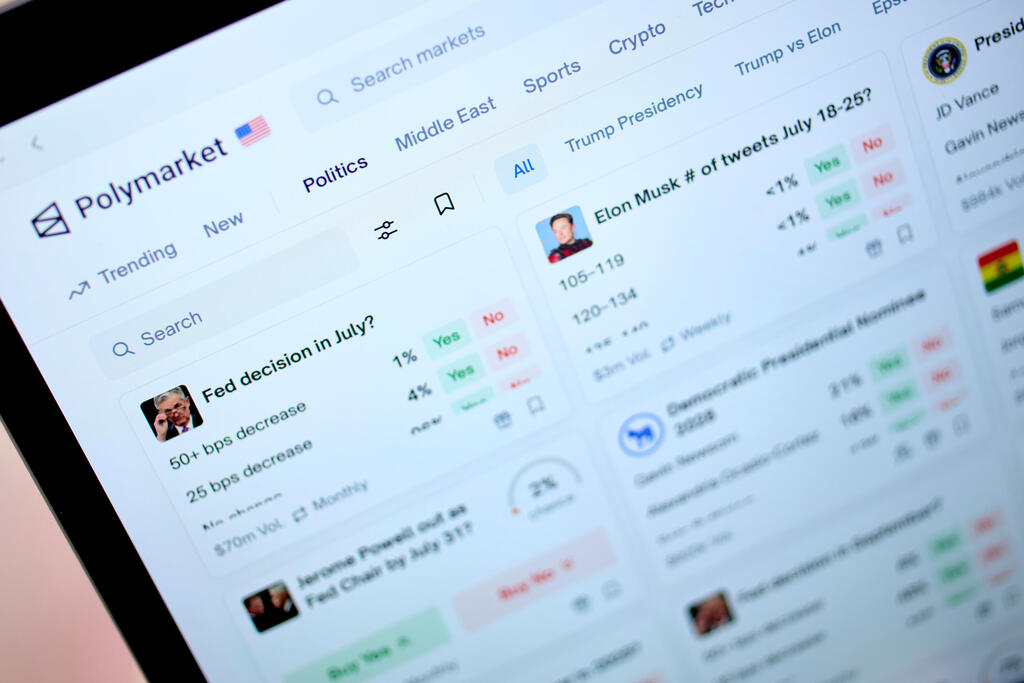
Polymarket, which was founded in 2020, did not respond to requests for comment. The company says it has strict controls, closely monitors suspicious activity and has referred dozens of trader wallets to authorities, including in the Maduro case.
Polymarket International settles trades on a blockchain, making wagers publicly visible even though traders remain anonymous. ACDC analyzed all settled markets through May 5 and looked for what it calls "long-shot" bets: wagers totaling at least $2,500 placed within an hour or less on outcomes with odds of 35% or lower.
Within that group, ACDC identified 556 wallets it dubbed "Orcas," a reference to the killer whale's precise hunting tactics. These traders typically opened an account and quickly placed a highly successful long-shot bet in niche markets where insiders might have an informational advantage, before often cashing out and disappearing.
Of those wallets, 152 were particularly successful in military and defense markets. Together, they made about $8 million, with an average win rate of 97.2%.
ACDC cautioned that there could be other explanations for the pattern, including luck, and that not all potential insiders fit the "Orca" profile. Gannon Ken Van Dyke, the U.S. soldier accused of making $400,000 betting on Maduro's removal, for example, built his position more gradually and was therefore not among the 152 military Orcas. Van Dyke has pleaded not guilty.
Related articles:
Still, ACDC said the 152 wallets are the most likely to have been trading on military secrets. Some had previously been identified by other researchers or the media, but the group said it had uncovered dozens of previously unreported wallets.
The Department of Defense declined to comment on intelligence-related matters or the findings of third-party research.
The more significant risk, according to ACDC, may not be the initial insider trade itself but what happens after it appears on a public blockchain.
ACDC found evidence that military-related bets by suspected insiders were followed by copycat wagers from deep-pocketed "Whales" and automated trading bots. Copycat trading is legal and has previously been documented on prediction markets, but the researchers said it could amplify potential insider signals and make them more widely visible.
In one example, an Orca bet on U.S. military action against Iran ahead of the June 2025 strikes was followed by copycat wagers of $200,000 from a Bot and $100,000 from a Whale. Similar Orca bets ahead of the February U.S.-Israeli strikes on Tehran appeared to trigger a wave of first-time long-shot bets by Bots and Whales on the same outcome, the researchers said.
"Most people vastly underestimate how observable unusual betting activity actually is on Polymarket," said David Szakonyi, an ACDC co-founder. He said big traders and automated systems were copying potential insider trades and that it would be "naive to think foreign-intelligence agencies aren't monitoring these markets."
Polymarket has argued that its public ledger enables greater scrutiny of trading activity. A spokesperson for the Commodity Futures Trading Commission, which is seeking jurisdiction over prediction markets, declined to comment on the findings. The regulator has said it will strictly police misconduct in the sector and has brought charges in at least three cases.
ACDC, which includes academics and investigators specializing in illicit finance, argues that prediction-market participants should be required to verify their identities and that payouts from suspicious trades should be withheld while they are investigated.
But the group says those measures may not be enough. Markets in which nonpublic information could be particularly actionable and profitable, it argues, should be prohibited altogether.



