








Trump’s AI embrace faces backlash from his own base
As Silicon Valley draws closer to the White House, Republican voters demand regulation.
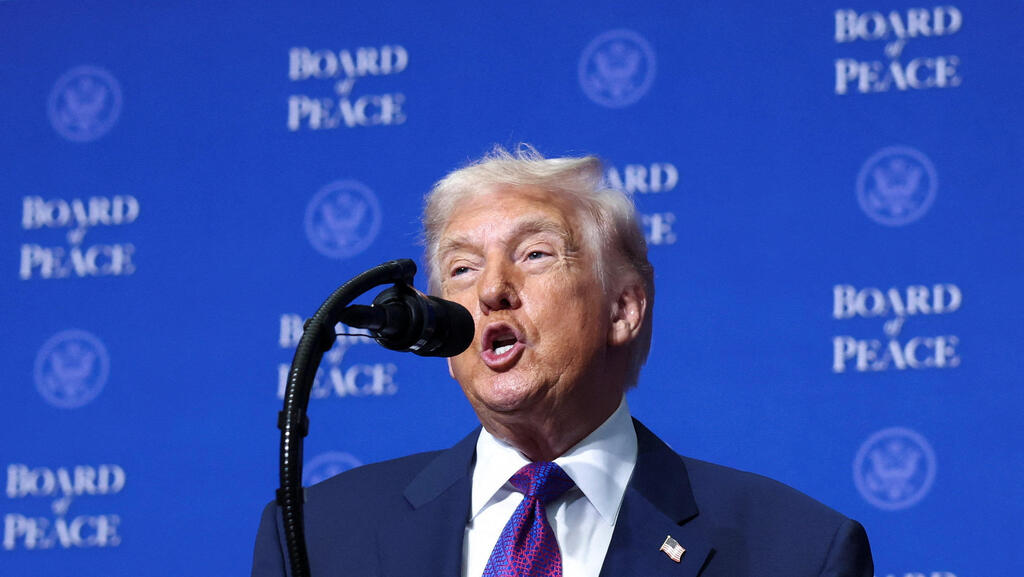
In his second term, President Donald Trump has emerged as a vocal advocate for the development, deployment and adoption of artificial intelligence (AI), and the vast physical infrastructure required to support it. But as he and major AI companies grow closer, Trump appears to be losing ground among his core supporters. Recent polling and conversations with Republican voters reveal deep concerns about the unrestrained development of AI.
Ahead of Trump’s State of the Union address on Tuesday, his approval rating stood at 39%, down from 45% in February. Republican officials fear that AI could become a political vulnerability in the midterm elections.
“There is a real danger that a Democratic candidate will come along who builds his messaging around this issue, because Republicans are perceived as being close to AI companies,” Brad Littlejohn of the conservative American Compass policy institute told the Financial Times, adding that such a candidate could “wipe the floor” with a Republican opponent.
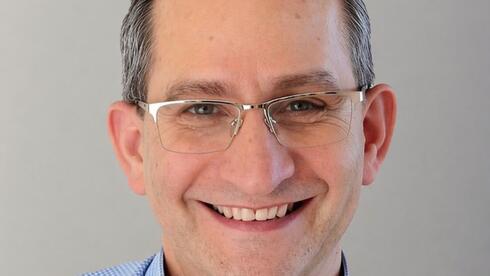
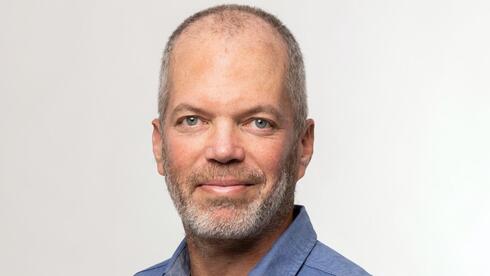
One of the early turning points in Trump’s 2024 campaign came on July 16, when Marc Andreessen and Ben Horowitz, founders of venture capital giant a16z, announced plans to donate significantly to his campaign. While not the first Silicon Valley figures to support Trump, their shift, after years of backing Democrats, signaled a broader realignment within parts of the tech ecosystem.
Behind their support was a core assumption: that Trump, unlike many Democrats, “would not stifle important technologies,” as Horowitz put it. In other words, he would avoid imposing regulations that might slow the development of AI models and products.
After returning to the White House, Trump appeared to validate that bet. He appointed entrepreneur and investor David Sachs as the administration’s AI czar and signed an executive order lifting regulatory restrictions imposed by the Biden administration. He also promoted major initiatives, including OpenAI’s Stargate Project, a plan to invest $500 billion in AI infrastructure in the United States, and streamlined permitting processes for data center construction.
When efforts to pass federal legislation preventing states from enacting their own AI regulations failed, Trump responded in December with an executive order threatening to withhold federal funds from states that impose what his administration considers burdensome AI rules.
Trump, once Silicon Valley’s declared adversary during his first term, has become one of its strongest allies, at least on AI policy.
Yet Trump’s pro-AI stance comes at a time of growing unease among Republican voters.
A January survey of 2,014 Americans conducted by Public First for the Financial Times found that 78% of Republicans believe AI should be regulated, compared with 81% of Democrats. Additionally, 64% of Republicans, and 75% of Democrats, said they were somewhat or very concerned about AI’s development.
A separate survey by the Institute for Family Studies found that roughly 80% of voters in Republican-led states want technology companies held accountable for harms to children.
These concerns did not significantly influence the presidential election. But they could loom larger in November’s midterms.
Steve Bannon, Trump’s former campaign manager and a leading voice in the MAGA movement, has led efforts to block certain AI legislation in Congress. Florida Governor Ron DeSantis warned in January of the “very harmful” potential effects of AI and criticized efforts to “saddle the states and let Big Tech write the rules.”
Arkansas Governor Sarah Huckabee Sanders has also called for stronger protections. “AI is changing the way we work, communicate and find information, and Arkansas cannot afford to be left behind. We must strengthen the protections for our citizens,” she said.
Utah Governor Spencer Cox is promoting legislation to regulate AI models despite White House opposition. “Regulation should be left to the states,” Cox said. “The moment you sell sexual chatbots to children in my state, I have a problem with that and I will get involved.”
Some anxieties echo past cultural panics. Garrett’s fear that her grandchildren are being drawn into an “unreal world” recalls earlier concerns over video games or Dungeons & Dragons. But whether such fears are exaggerated may be less important than their political consequences.
Other concerns are more concrete: the strain data centers place on water supplies and electricity grids; the potential impact of AI on employment; rising utility bills in affected communities.
If there is one constant in American politics, it is that voters respond to economic pressure. As James Carville famously put it during the 1992 presidential campaign: “It’s the economy, stupid.”
If Trump’s supporters begin to believe that AI development is hurting their livelihoods, and that the administration is prioritizing Silicon Valley over local communities, their loyalty may weaken. Not necessarily enough to switch parties, but perhaps enough to stay home on Election Day.
In closely contested midterm races, that could be decisive.



