










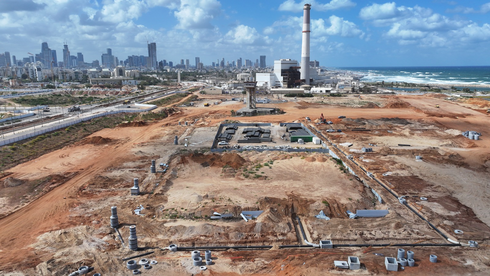
Toxic “forever chemicals” found in more areas of Tel Aviv’s Sde Dov development
Tests have revealed PFAS contamination in locations initially considered unlikely to be affected, including concentrations hundreds of times above regulatory thresholds. The Environment Ministry has ordered expanded testing as developers prepare the site for construction.
Harmful chemicals have been detected in parts of the former Sde Dov airfield in northern Tel Aviv that were not initially identified as suspected contamination zones, according to soil surveys published on the Ministry of Environmental Protection’s website. In some of these areas, where only limited sampling was conducted because contamination was not expected, pollutant concentrations exceeded regulatory thresholds by significant margins.
The Ministry has confirmed the findings and ordered further testing. The results raise questions about the oversight of a major planned housing development on land affected by PFAS, a group of persistent synthetic chemicals that are difficult to remove from the environment and have been linked to serious health risks. How best to manage and remediate PFAS contamination remains a challenge for regulators worldwide.
Sde Dov served as a civilian and military airfield for decades before closing. Firefighting foams containing PFAS, often referred to as “forever chemicals” because they do not readily break down in the environment or the human body, were used at the site during training exercises and routine operations. In February 2026, the Ministry of Environmental Protection and the Israel Land Authority announced preliminary findings of PFAS contamination in the soil and groundwater and said extensive soil surveys would be conducted across the area. The Water Authority had reported findings indicating contamination as early as 2022.
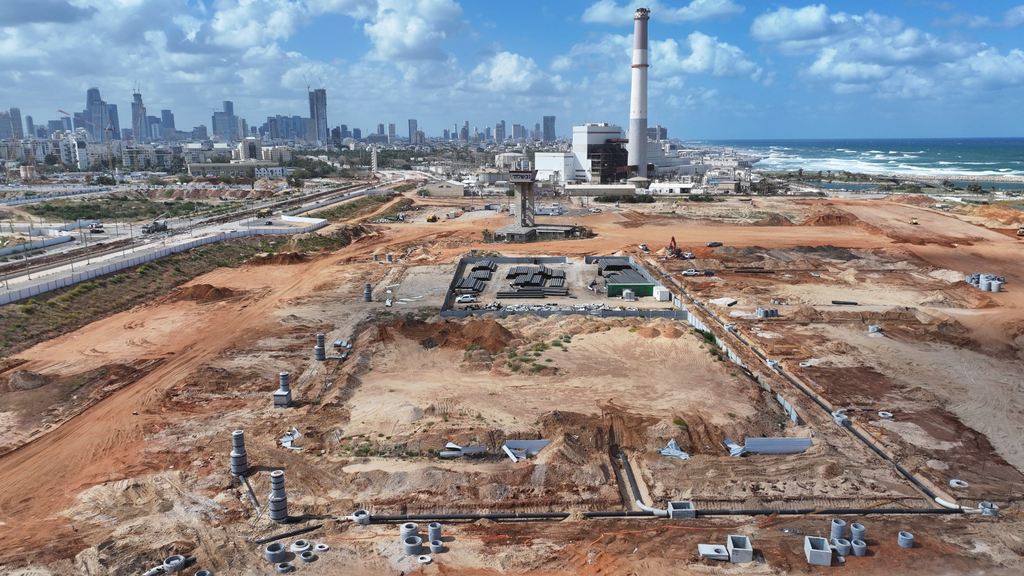
Despite the earlier findings, the land was marketed as “clean,” while the Ministry did not begin its own testing until 2025. In July 2026, the Ministry ordered the Tel Aviv Municipality to halt infrastructure work amid concerns that thousands of tons of contaminated or potentially contaminated soil had been moved around the site without adequate oversight.
A new district is planned for Sde Dov, with residential buildings, commercial space, offices and hotels. Excavation and backfilling have already begun on some plots, and thousands of housing units have been sold through tenders. Developers are now required to conduct extensive soil investigations. Tests carried out so far have revealed contamination across large areas, including locations that had not previously been considered suspect.
According to an analysis by Roni Brill, an environmental engineer and real estate appraiser, some of the areas initially subjected to limited sampling because they were not flagged as suspect have shown pollutant concentrations exceeding regulatory thresholds by substantial margins.
In Area 301, PFOS levels exceeded the applicable thresholds in 22 of 23 boreholes, or 96%, reaching as much as 100 times the threshold. In Area 303, exceedances were found in every sampled borehole, including locations both previously identified and not identified as suspect, with PFOS concentrations reaching up to 600 times the threshold.
In Area 2206, PFOS concentrations reached 10 times the threshold in half of the boreholes, including in an area not previously suspected of contamination. In Area 2255, PFOS levels reached up to 15 times the threshold in four boreholes, one-third of those sampled, in an area not considered suspect. PFHxS, another PFAS compound, was also detected at 2.5 times the threshold.
In Area 2270, PFOS levels reached 25 times the threshold in an area not previously suspected of contamination. In Area 2701, levels were six times the threshold, again in an area not initially considered suspect. In Area 822, PFOS exceedances were found in one of 10 boreholes in a location not previously flagged.
The Ministry of Environmental Protection said the surveys showed that PFAS contamination was widespread across the Sde Dov complex, including in areas not initially identified as suspect.
“The survey findings indicate widespread PFAS contamination within the Sde Dov complex, including in areas that were not initially identified as suspected of contamination,” the Ministry said. “Accordingly, the Ministry directs that soil investigations continue across all plots included in the plan, and that testing be expanded to delineate areas of contamination based on the findings.”
The Ministry added that the map of suspected areas had been based on assessments of potential sources of soil contamination, taking into account the site’s characteristics and the nature of the contamination. It said areas considered less likely to be contaminated were also undergoing comprehensive investigation, with further delineation required wherever contamination was found.
The findings raise questions about how the land can be safely developed and managed. PFAS remediation remains difficult, and some available approaches can transfer contamination to another location rather than eliminate it.
The Ministry said each plot would be assessed individually according to pollutant concentrations and its intended use. Where soil is to remain on-site, it said, “potential risks to residents, workers, and the environment are assessed, and specific guidelines are established based on the findings and the planned uses.”
The Ministry also said it had instructed the Tel Aviv Municipality, which owns most of the plots in the Sde Dov area, to “submit a comprehensive risk management plan for the soil that will remain on-site. This plan must include an analysis of contamination hotspots, potential exposure pathways, and the populations that could be exposed.”
Brill is urging the Ministry to treat the entire site as contaminated or potentially contaminated and to take a cautious, comprehensive approach to its future.
“Given that published surveys indicate the presence of contamination everywhere, extending well beyond the areas initially, and erroneously, classified as ‘not suspected of being contaminated,’ the entire site must be designated as ‘suspected of being contaminated,’” Brill said. “Extensive testing is required to delineate the boundaries of the contamination and quantify its extent.”
Brill argued that the scale of the problem requires a coordinated government response, warning that there are currently no recognized, cost-effective and readily available methods for remediating PFAS-contaminated soil on the scale involved at Sde Dov.
“Placing the responsibility on private developers could lead to protracted remediation processes, significant construction delays, and even adverse outcomes should experimental remediation methods be employed and subsequently fail,” Brill said.



